Övörkhangai

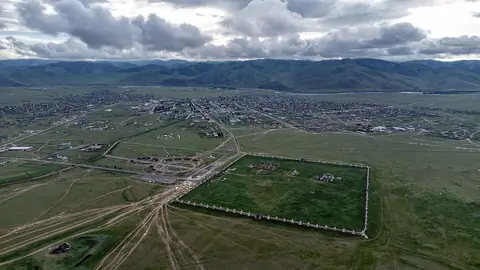
Övörkhangai is central Mongolia with political memory still set inside pasture. Kharkhorin, Erdene Zuu, the Orkhon Valley, Tövkhön, Arvaikheer and river roads make the province a place where heritage, herding and traffic share ground every day.

Contains

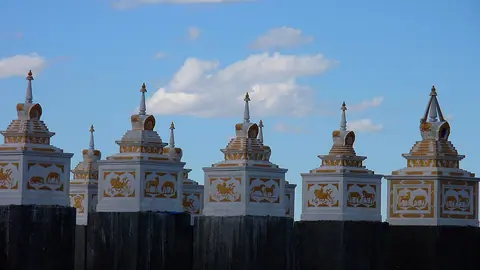
Karakorum was the capital of the Mongol Empire from 1235 to 1260 and the Northern Yuan dynasty in the 14th–15th centuries. Its remnants are located in the northwestern part of the Övörkhangai Province in modern-day Mongolia, close to the current town of Kharkhorin and adjacent to the Erdene Zuu Monastery, likely the oldest surviving Buddhist monastery in Mongolia. These ruins are situated in the upper section of the Orkhon Valley, a designated World Heritage Site.

Geo

Elsen Tasarkhai

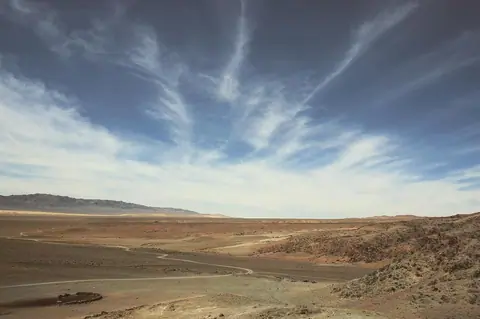
Elsen Tasarkhai is a segment of the Mongol Els sand dunes, stretching 80 km in length and 5 km in width across the Burd, Bulgan, and Gurvanbulag soums of the Uvurkhangai province. Situated 280 km west of Ulaanbaatar and 80 km east of Karakorum, the ancient Mongolian capital, this area is enveloped by sand dunes, hills adorned with rare bushes, and a small forest along a river. This creates a unique amalgamation of Mongolian mountains, forests, and Gobi-style landscapes all in one locale.

Kharkhorin
Övörkhangai
Mongolia

Arvaikheer is a picturesque city in central Mongolia that impresses with its colorful landscapes, historical monuments and rich cultural heritage. Situated in a picturesque valley, the city has become a popular tourist destination, offering guests an unforgettable experience and the opportunity to immerse themselves in the atmosphere of authentic Mongolian life.

Geo