Khumiy throat singing
Khumiy throat singing is a distinctive art form exclusive to select nationalities, including Mongols, Buryats, Kalmyks, Tuvans, Altaians, and Bashkirs.
Khumiy throat singing is a distinctive art form exclusive to select nationalities, including Mongols, Buryats, Kalmyks, Tuvans, Altaians, and Bashkirs.
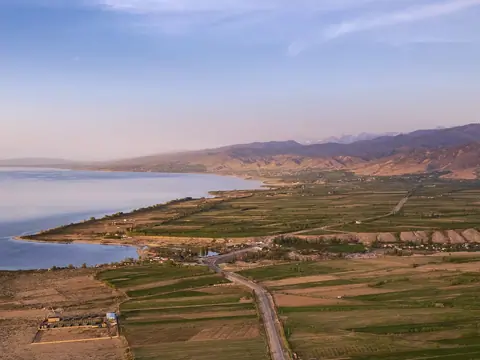
Kichi-Jargylchak, a picturesque seaside resort nestled along the South shore of Issyk Kul lake. Located between the villages of Chong-Jargylchak and Ak-Terek, in the Jeti Oguz district. The village, with its population of 3800 inhabitants, thrives on agriculture and breeding, and is renowned for its redcurrant production.
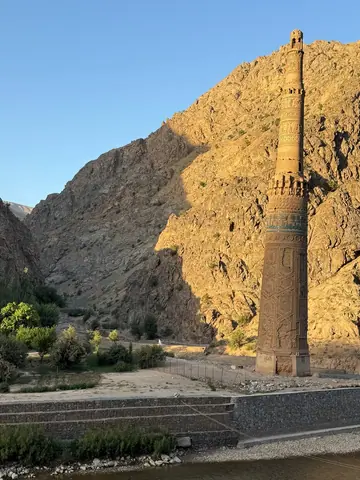
The Minaret of Jam is an ancient Islamic monument located in the western province of Ghor in Afghanistan. It is a tall, tapered brick tower that stands approximately 65 meters (213 feet) high and is adorned with intricate brickwork and ornamental Kufic inscriptions.
Shahrak
Afghanistan
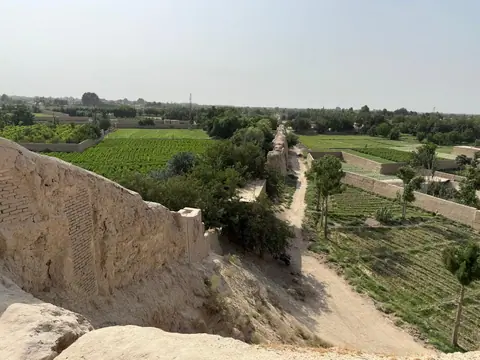
Balkh is an ancient town located in the northern part of Afghanistan, about 20 kilometers northwest of the city of Mazar-i-Sharif. It sits on the ancient Silk Road trade route that connected China with the Mediterranean.
History: Balkh is one of the oldest cities in the world, with a history that dates back more than 5,000 years. It has been a center of trade, culture, and religion for centuries, and has been ruled by various empires and dynasties over the years, including the Greeks, Persians, Arabs, Mongols, and Timurids.
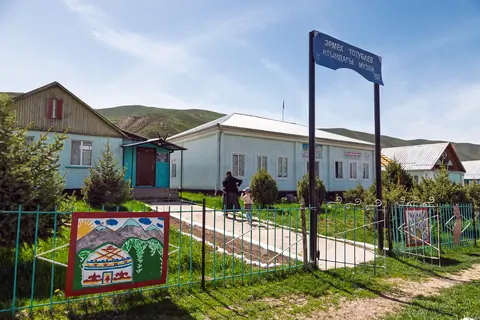
The Ethnographic Museum named after Totubaev Ermek in Kyrgyzstan is a real pearl of the country’s cultural heritage, representing the richness and diversity of ethnic groups, traditions and customs of the Kyrgyz people.
Located in Chon Kyzyl-Suu, the museum offers a unique opportunity to plunge into the history and culture of Kyrgyzstan through exhibitions representing various aspects of the life and everyday life of local residents.
Karakol
Kyrgyzstan
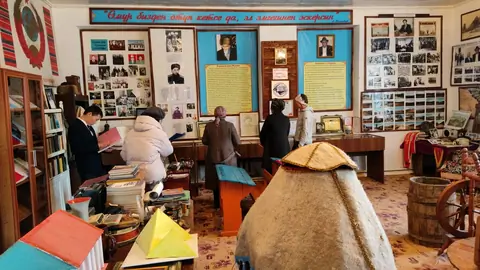
The Barkan Mukashev Ethnographic Museum is a unique place where every visitor can plunge into the rich history and culture of the peoples of Central Asia. Located in the heart of the Ysyk-Kul region, this museum is not only a repository of precious artifacts, but also a living testimony to the centuries-old history of this region.
Karakol
Kyrgyzstan
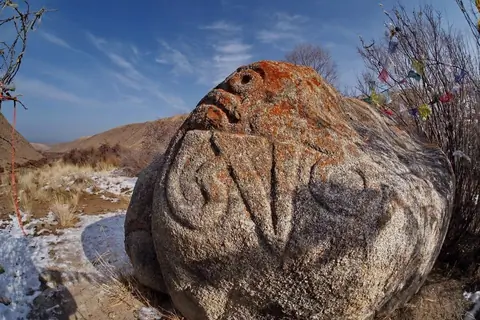
Tamga Tash means the "marked stone". There are three stones in total and they are several hundred metres apart, in the mountains 5km south of Tamga village.
The first stone reads OM MANE PADME HUM. The inscription on the stone could date from the period of the Dzungar Khanate 17-19th centuries. For this stone split in two, a Kyrgyz legend tells that a batyr once split the first Tamga-tash in two with his sword.
Tamga
Kyrgyzstan
Alaman Ulak is one of the ancient national Kyrgyz games, there are no uniform rules for the competition.
Tushoo kesuu is one of the most ancient Kyrgyz family traditions that has survived to this day. Tushoo kesuu is performed when a child turns one year old, when he starts taking his first steps.
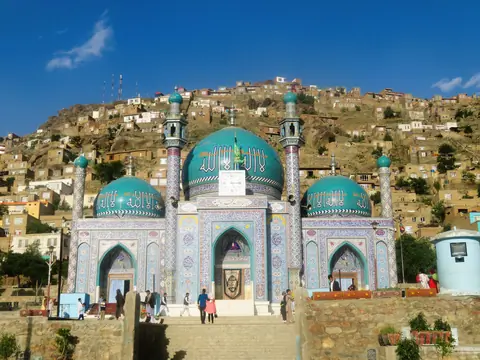
The mosque Rawza Sakhi Shah-e-Mardan, also known as the Rawza-e-Sakhi Shrine, is a historical mosque located in the city of Kabul, Afghanistan. It is named after Sakhi Shah-e-Mardan, who is believed to have been a companion of the Prophet Muhammad. The mosque is said to have been built in the 18th century, and it is known for its intricate tilework and calligraphy. The mosque is a popular pilgrimage site for Shia Muslims, and it is also considered a significant architectural and historical landmark in Kabul. Some stories say that it's a place for miracles and blessings.
Kabul
Afghanistan