Historical Site

Path Element
historical-site

Great Silk Road

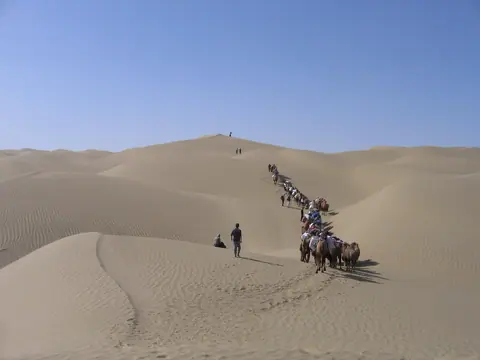
The ancient Silk Road was a dirty road, which was originally used to spread silk from China all over the continent. The silk was in this time a very expensive, but useful product. In 121 BC the first camel caravan loaded with silk started. But soon, there were as well many other outlandish products being transported on the Silk Road. Together with the silk camels carried Indian gerns, Iranian silver jewery, rich cloths from Byzantium, Baltic amber, Mediterranean corals, ceramics, grapes, nuts and many others goods.

Kyrgyzstan
Kyrgyzstan
Gumbez Balchak

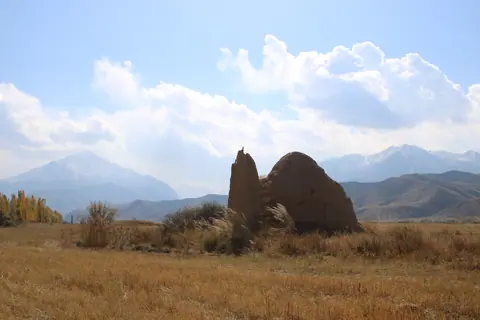
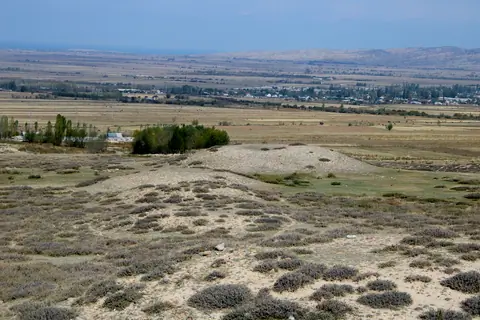
Ruins of ancient Gumbez is the only memory in the valley of Djuuku gorge. If you look around it’s hard to believe that long time ago a lot of things were going on here.

According to the history this gumbez belonged to one rich man called Balchak. Balchak was famous and powerful leader since he owned nomadic tribes in Yssyk-Kul, Kashgar and Central Tian Shan. Balchak built has gumbez in all regions where he owned nomads.

Jeti-Ögüz
Kyrgyzstan

Navekat

The ancient city of Navekat.

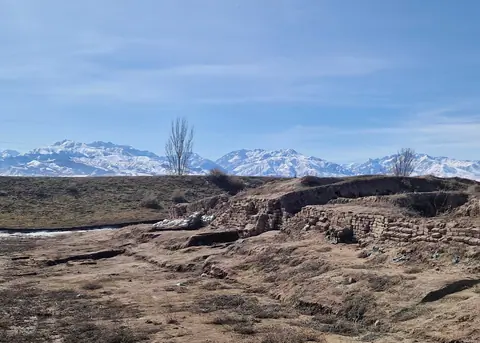
It is located 36 km east of Bishkek. Here the ruins of the ancient city Navekat (New Town), one of the cities on the Silk Road, have been preserved. Navekat was founded in the 6th century and was a trading center of the ancient Turkish khanates. The northern branch of the Silk Road passed here. It flourished from the 6th to the 12th century.

The city of Navekat has a citadel, two Shahristan ("city" in Arabic) and a suburb.

Krasnaya Rechka
Kyrgyzstan

Ak-Beshim

The ruins of the ancient city of Ak-Beshim are located south of Tokmok, near the village of the same name. It was here that the city of Suyab once stood—one of the most important centers of the Great Silk Road in the Chuy Valley.

In the 5th–10th centuries, Suyab was a major commercial and political city where caravans from China, Central Asia, and the Middle East converged. Merchants, diplomats, and travelers passed through its streets, and along with goods, ideas, religions, and cultures of different peoples spread here.

Ak-Beshim
Kyrgyzstan

Hulbuk Palace (Khulbuk)

Hulbuk (Khulbuk) is an ancient citadel in Tajikistan, located near the village of Kurban-Said (Qurbonshahid) in the middle of the village of Pingan, in the Khatlon region, about 26 km southwest of the city of Kulob. The results of excavations at Hulbuk indicate that it was the capital of Khuttal province from the 9th to 11th centuries. The complex includes the Sovereign's Palace, the Citadel and richly decorated ancient dwellings, including figures and animals.

Vose
Tajikistan

Langar's petroglyphs

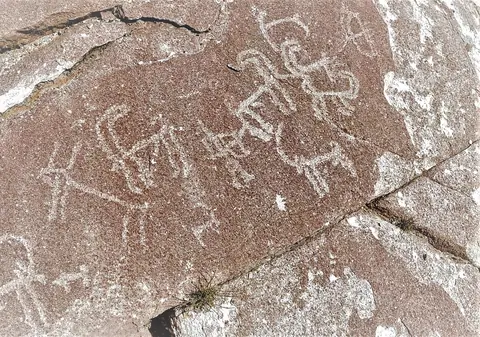
In the vicinity of the village of Langar, buried in the mighty mountains of Tajikistan, more than 6,000 petroglyphs are hidden, witnesses of ancient times and mute testimonies of a unique culture. Carved on rocky ridges at an altitude of more than 3,000 meters, these images are a remarkable monument of ancient history, which strikes the imagination with its mystery and beauty.

Langar
Tajikistan

Potala palace

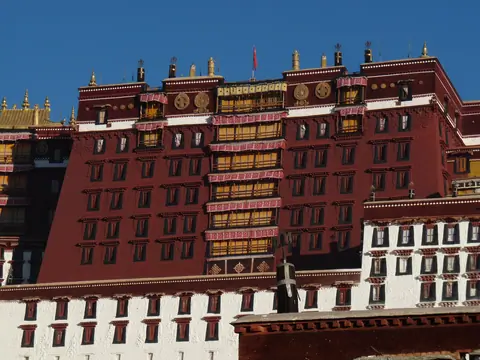
The Potala Palace, a majestic symbol of ancient Tibetan culture and religion, towers over Lhasa like an impregnable fortress of spiritual wealth and historical significance. With its snow-white walls and golden domes, it seems to welcome pilgrims and fans of Buddhism from all over the world.

Lhasa
Xizang Zizhiqu
China

Forbidden City

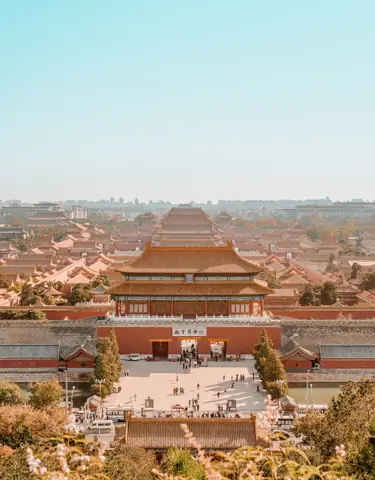
The Forbidden City is a magnificent monument of Chinese history and culture that embodies the grandeur and power of the Chinese emperors. Located in the heart of Beijing, it is one of the most famous and visited historical sites in China.

Built in the 15th century during the Ming Dynasty, the Forbidden City served as the residence of Chinese emperors for over 500 years. Its name comes from the fact that it was off-limits to ordinary citizens - only the emperor and his entourage were allowed to visit this majestic complex.

Beijing
Beijing Shi
China