The tajik culture is rich thank to its rich historical past. The culture can be devided into different geographical areas.
Culture
The Kyrgyz culture has been greatly influenced by the nomadic heritage. It is reflected in the way a household was run, in customs, and rites. People decorated their homes with items that were both beautiful and practical.
Uzbek culture boasts a wealth of richness, characterized not only by its museum-like cities but also by the diverse mix of peoples that have inhabited the region over thousands of years.
Mongolian cuisine is quite simple cuisine, mainly limited by the arid regions of the Mongolian Plateau, whether the steppe, which covers most of these regions, the Gobi Desert, the Khangai.
Türkmenabat
Image
Height
600
Width
900
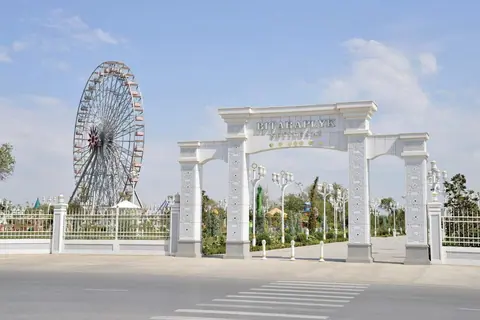
Türkmenabat second-large city in Turkmenistan. Till 1924 and in 1927-40 the city had the name Chardzhuy, in 1924-27 Leninsk, in 1940-92. Chardzhou, in 1992-99 Chardzhev.
The great Silk way has played a huge role in the history and lives of this city. The grotto of Amul-this first name of Türkmenabat was one of important points, a reliable haven on this well-known road, also. Later it has been postponed also for the Construction Department river. She began to be called Amu Darya that is meant by the Amu-river.
Türkmenabat
Turkmenistan
Historical museum of Orgochor
Image

Height
1365
Width
2048
Image grade
Premium
The Orgochor Historical Museum is a unique place where the memory and spirit of the region's past are preserved. The museum is a cultural centre where exhibits reflecting the history, traditions and everyday life of the local people are collected. You can see artefacts dating back to different historical periods, as well as learn about the development of Orgochor and its surroundings.
Orgochor
Kyrgyzstan
Ak-Beshim
Image
Height
2435
Width
3409
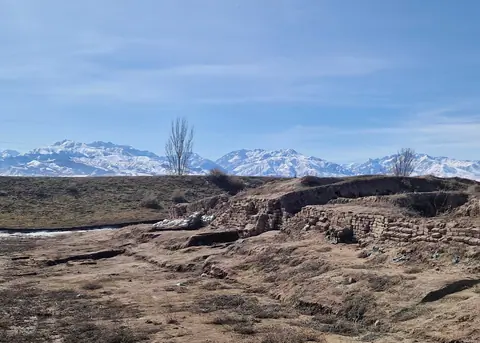
The ruins of the ancient city of Ak-Beshim are located south of Tokmok, near the village of the same name. It was here that the city of Suyab once stood—one of the most important centers of the Great Silk Road in the Chuy Valley.
In the 5th–10th centuries, Suyab was a major commercial and political city where caravans from China, Central Asia, and the Middle East converged. Merchants, diplomats, and travelers passed through its streets, and along with goods, ideas, religions, and cultures of different peoples spread here.
Ak-Beshim
Kyrgyzstan
Khujand
Image
Height
1536
Width
2048
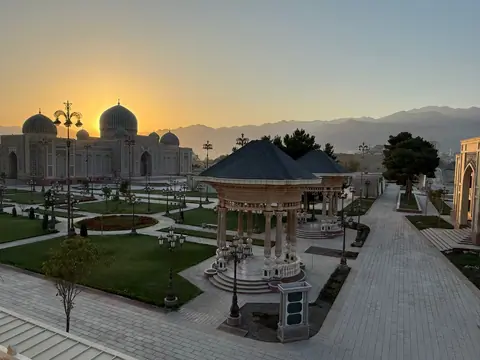
Nestled in the Fergana Valley, Khujand stands as one of Central Asia’s oldest living cities, its history stretching back over 2,500 years. Once a thriving Silk Road hub known as Alexandria Eschate—founded by Alexander the Great—the city retains layers of its past, from ancient fortresses to Soviet relics. Today, as Tajikistan’s second-largest city, Khujand pulses with the energy of its bazaars and the quiet grandeur of its monuments, offering a rare blend of antiquity and modernity.
Yagnob valley
Yagnob Valley with its people, direct descendants of the ancient Sogdian civilization that survived from the invasion.
Margib
Tajikistan
Museum of musical instruments Gurminj
Image
Height
1228
Width
2154
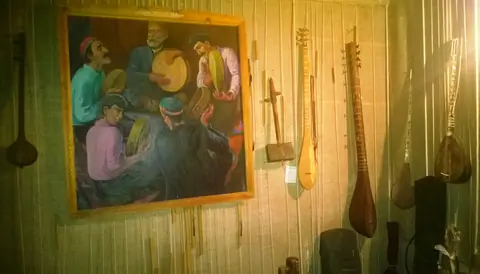
Step into the enchanting world of the Gurminj Museum of Musical Instruments, nestled in the heart of Dushanbe. Since 1990, this cultural gem has been captivating visitors with its rich array of musical treasures, all originating from the private collection of the gifted folk artist, Gurminj Zavkibekov (1929-2003).
Dushanbe
Tajikistan