City
Khujand
- Territory type
- City
- Elevation
- 716 m
Territory notes
The field account
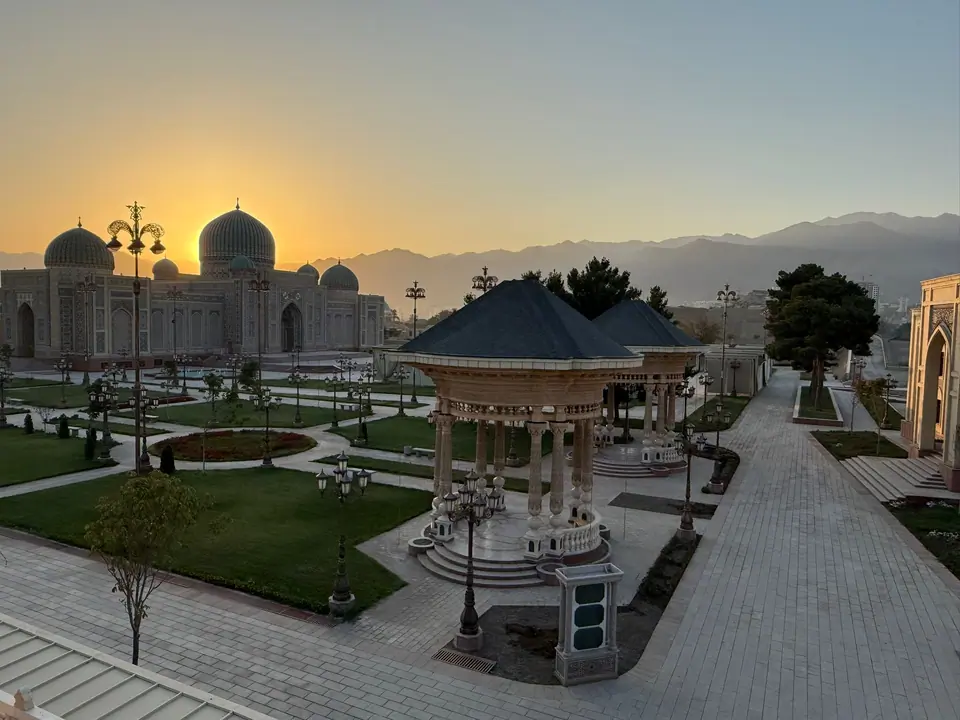
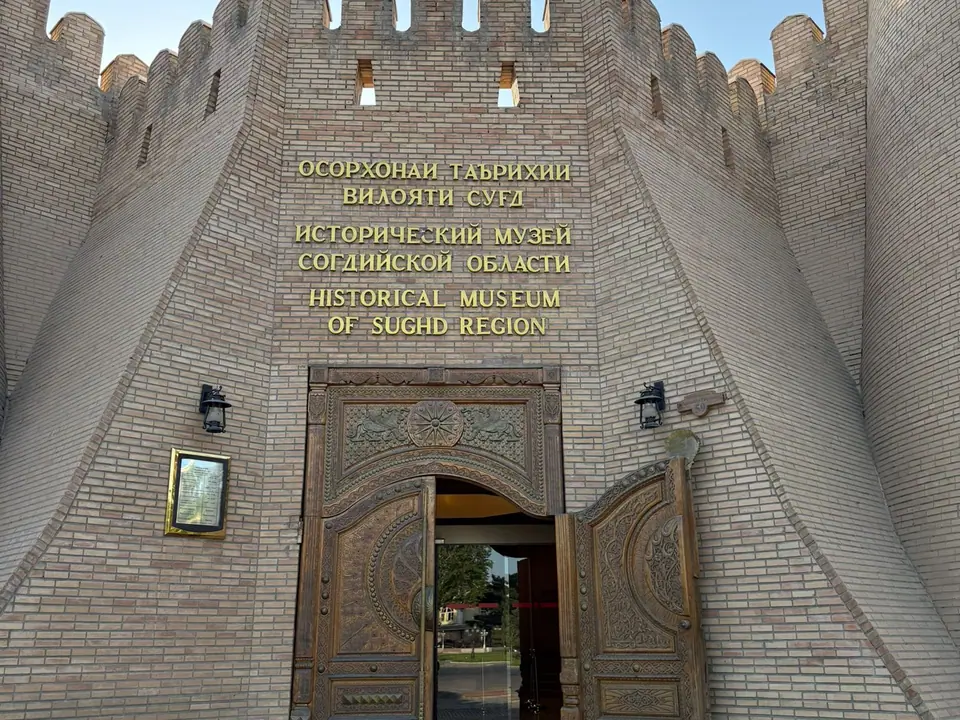
Nestled in the Fergana Valley, Khujand stands as one of Central Asia’s oldest living cities, its history stretching back over 2,500 years. Once a thriving Silk Road hub known as Alexandria Eschate—founded by Alexander the Great—the city retains layers of its past, from ancient fortresses to Soviet relics. Today, as Tajikistan’s second-largest city, Khujand pulses with the energy of its bazaars and the quiet grandeur of its monuments, offering a rare blend of antiquity and modernity.
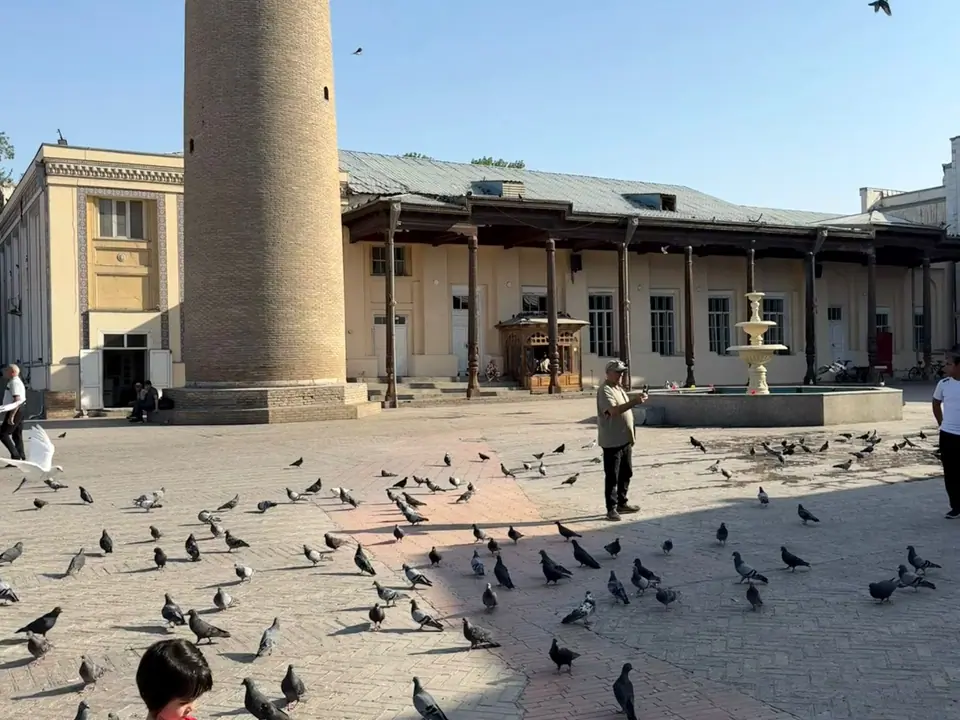
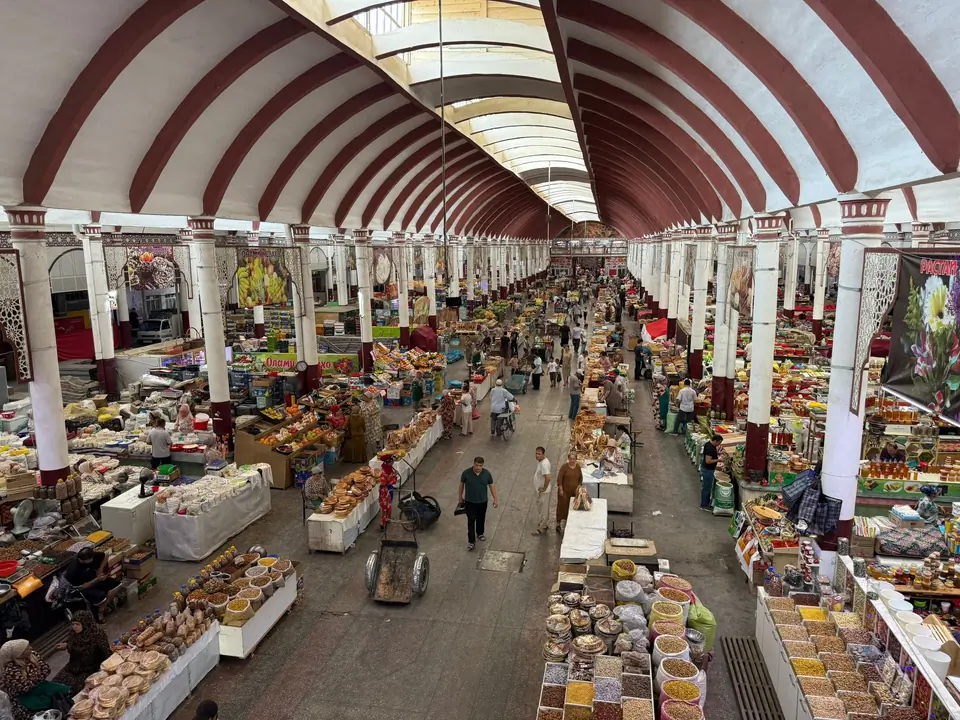
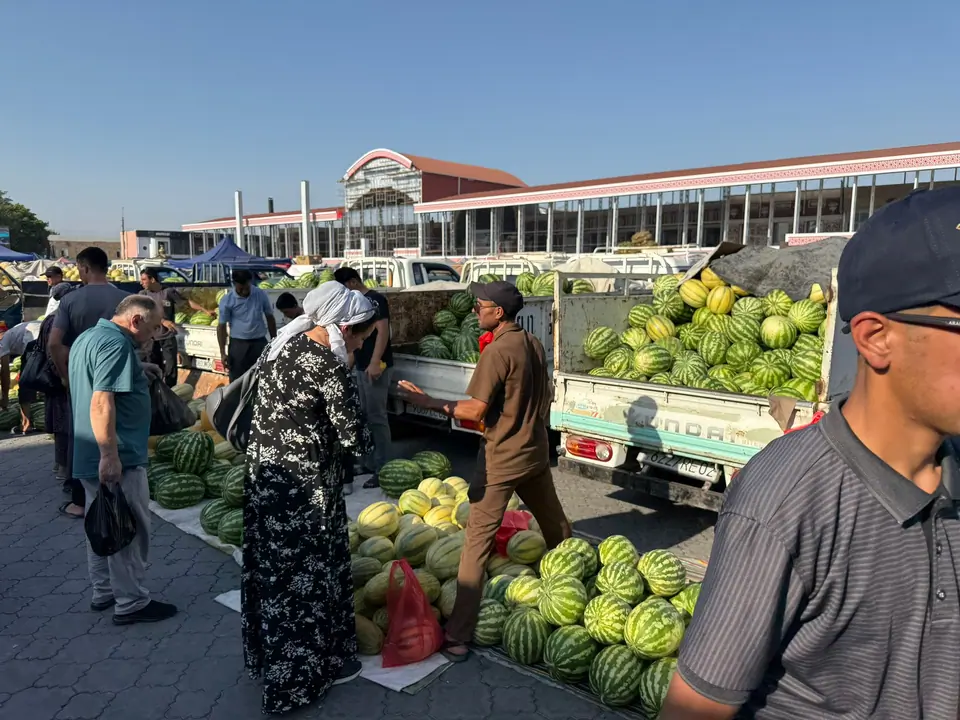
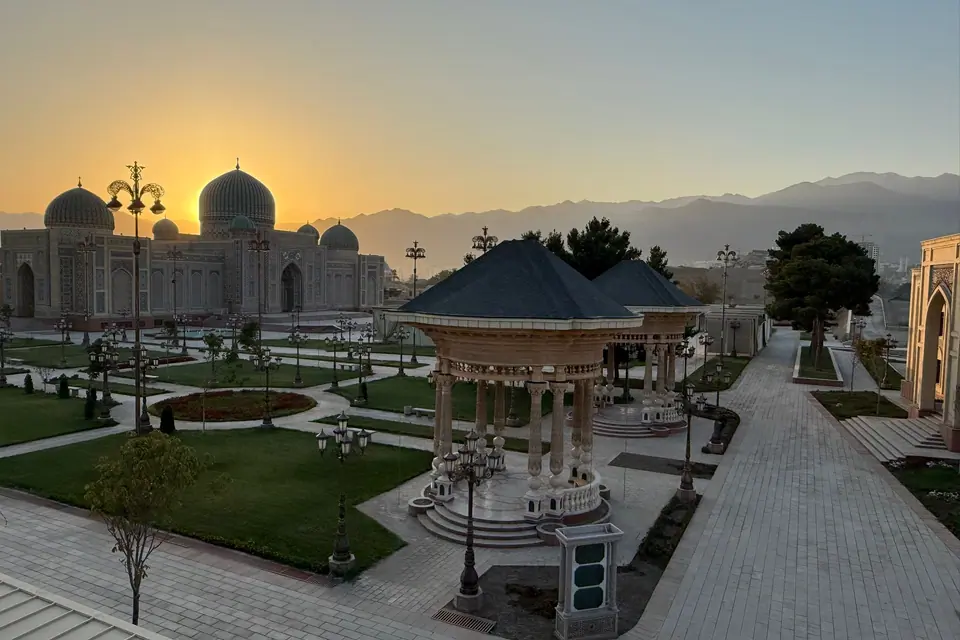
At its heart lies the Khujand Fortress, a symbol of resilience, rebuilt over centuries but rooted in antiquity. Nearby, the Sheikh Muslihiddin Mausoleum whispers tales of Sufi mysticism, its minaret towering over a complex that has drawn pilgrims since the 12th century. Just steps away, the bustling Panjshanbe Bazaar—a labyrinth of spices, textiles, and Soviet-era symmetry—serves as a living testament to the city’s mercantile soul. And in a striking nod to its Soviet past, a towering Lenin statue still presides over a central square, a rare survivor of post-USSR iconoclasm.
From Timurid-era mosques to Soviet boulevards, Khujand is a city of contrasts, where history isn’t confined to museums but woven into daily life. Whether tracing the footsteps of Silk Road merchants or sipping tea in a shadowed courtyard, visitors encounter a place where empires have risen and fallen—but the spirit of crossroads endures.
Map margin
Where it sits
The map marks an orientation point for this territory; it does not describe its boundary.
Visual field notes
A closer look