History

Nukus Museum of Art

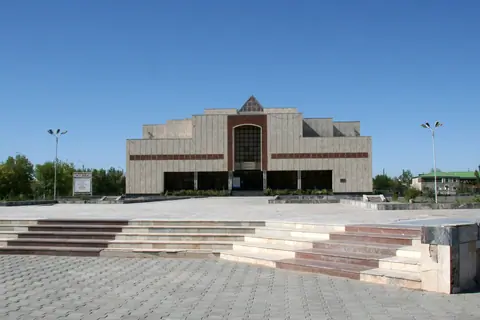
The State Art Museum of the Republic of Karakalpakstan, named after I.V. Savitsky is an art museum based in Nukus, Uzbekistan.

Opened in 1966, the museum houses a collection of over 82,000 items, ranging from antiquities from Khorezm to Karakalpak folk art, Uzbek fine art and, uniquely, the second largest collection of Russian avant-garde in the world.

Nukus
Karakalpakstan
Uzbekistan
Tash Hauli

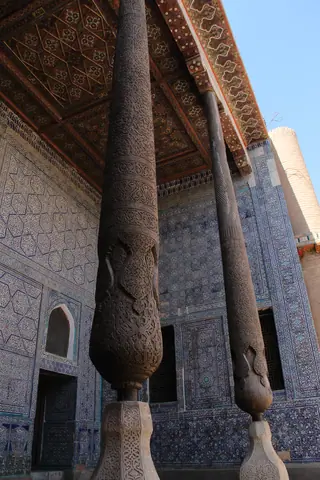
Toshhovli Palace (Uzbek: Toshhovli saroyi, meaning “Stone Courtyard Palace”) is one of the most impressive royal residences in the historic city of Khiva. Located inside the walled inner town of Itchan Kala, the palace was built between 1830 and 1838 during the reign of Allakuli Khan, one of the most powerful khans of the Khiva Khanate. The khan ordered its construction because he wanted a residence that was more private and luxurious than the older royal citadel, the Kunya Ark.

Khiva
Khorezm
Uzbekistan

Museum of musical instruments Gurminj

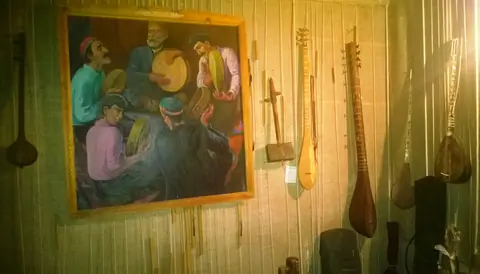
Step into the enchanting world of the Gurminj Museum of Musical Instruments, nestled in the heart of Dushanbe. Since 1990, this cultural gem has been captivating visitors with its rich array of musical treasures, all originating from the private collection of the gifted folk artist, Gurminj Zavkibekov (1929-2003). 

Dushanbe
Tajikistan

Pahlavon Mahmud Mausoleum

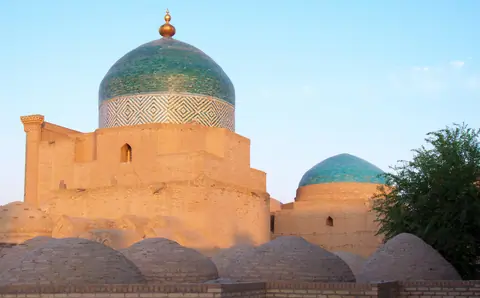
The mausoleum of Mahmoud Pahlavan is an architectural complex in Khiva, one of the best works of Khiva architecture of the middle of the XIX century, made in the traditions of Khorezm architecture up to the Timur era. The mausoleum of pahlavan Mahmoud (1247-1326) has long been considered a sacred place where Uzbeks, Turkmens, Karakalpaks and representatives of other peoples made and made pilgrimages. According to the Will, pahlavan Mahmoud was buried in his own leather tanning workshop. Over time, a revered place of pilgrimage appeared here, and later a complex named after him appeared.

Khiva
Khorezm
Uzbekistan

Ichan-Kala

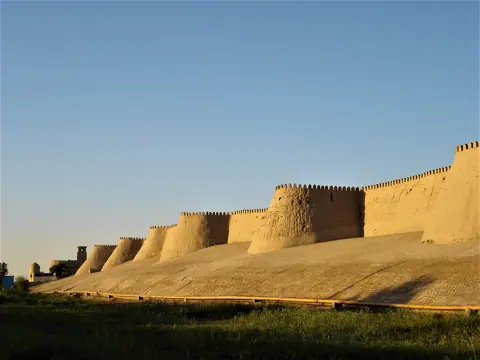
Ichan-Kala Citadel preserves the image of the ancient eastern city of Khiva. The findings of archaeologists suggest that Old Khiva, which already existed in the 5th century, served as a stage on the Great Silk Road. The old city, located inside the walls of Itchan-Kala, occupies an area of ​​about 30 hectares and is surrounded by a massive wall of 6-8 meters. Ditches were dug on the outer side of the walls, which were filled with water. Also in the fortress wall there are four gates, reinforced with shock towers and complemented by viewing galleries.

Khiva
Khorezm
Uzbekistan