City
Herat
Herat with care and context
- Territory type
- City
- Elevation
- 930 m
Territory notes
The field account
Herat is an administrative area in Western Afghanistan, Afghanistan; verify current access and security context before traveler-facing use.
Herat is a city located in western Afghanistan, near the border with Iran. It is the third-largest city in Afghanistan and the capital of Herat province. It is known for its rich history and cultural heritage, and is often referred to as the "heart of Afghanistan" due to its central location in the country.
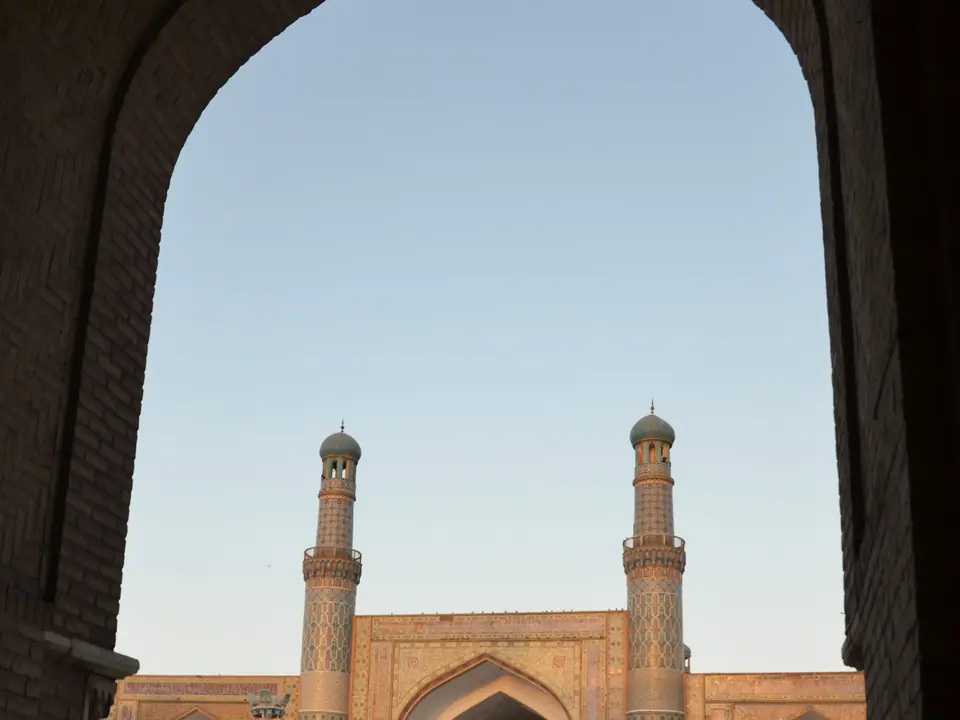
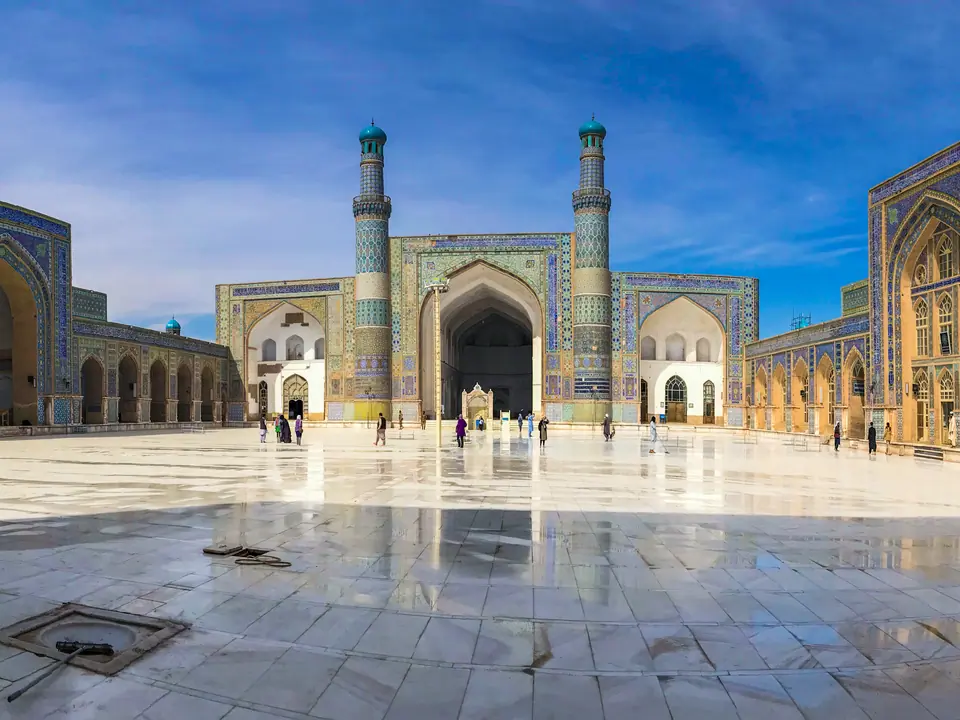
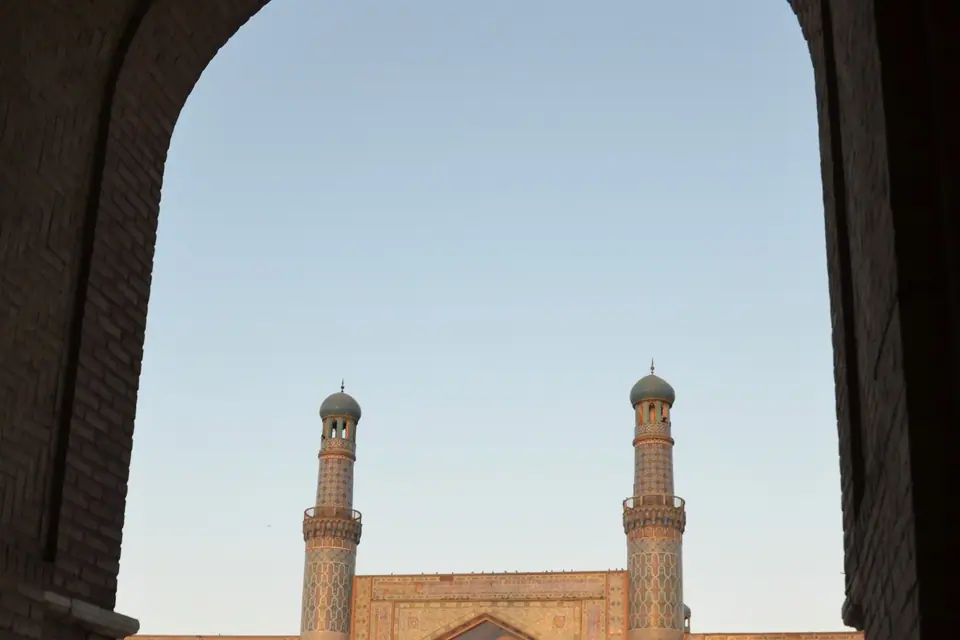
The Old City of Herat has a long history of rebuilding and restoration, having been destroyed twice by the Mongols and rebuilt as the capital of the Timurid Empire in the 15th century. The city's position along the Silk Road between Europe and Asia made it a desirable target for conquerors and occupants, leaving behind a blend of architectural styles and cultural influences. The Old City is a traditional Islamic urban center, and features notable landmarks such as the Qala Ikhtyaruddin citadel and the Masjid Jame Friday mosque, known for its bright blue minarets. Although the original defensive earthen walls surrounding the town have disappeared, the layout and much of the historic fabric remained intact until 1978.
Today, Herat is a bustling city with a population of around 400,000 people. It is an important center of industry and commerce in Afghanistan, and is home to a number of universities and research institutions. The city has a diverse population, with ethnic groups such as Tajiks, Uzbeks, Pashtuns, Hazaras and Balochs. The city has a rich culture with many traditional bazaars, museums, and festivals. The city is also known for its traditional crafts, particularly its textiles and ceramics.
Map margin
Where it sits
The map marks an orientation point for this territory; it does not describe its boundary.
Geographic index
Within this territory
1 destinations in the catalogue
Sights and natural places
-
The Great Mosque of Herat
Sacred Place · 927 m
Visual field notes
A closer look