City
Kabul
Kabul with care and context
- Territory type
- City
- Elevation
- 1800 m
Territory notes
The field account
Kabul is an administrative area in Central Afghanistan, Afghanistan; verify current access and security context before traveler-facing use.
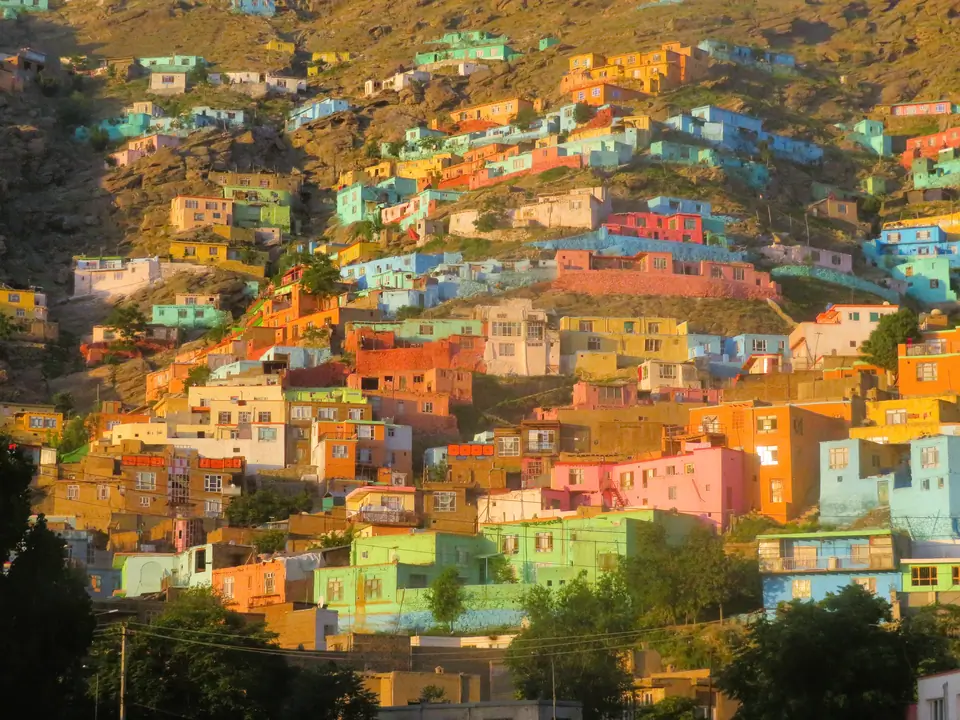
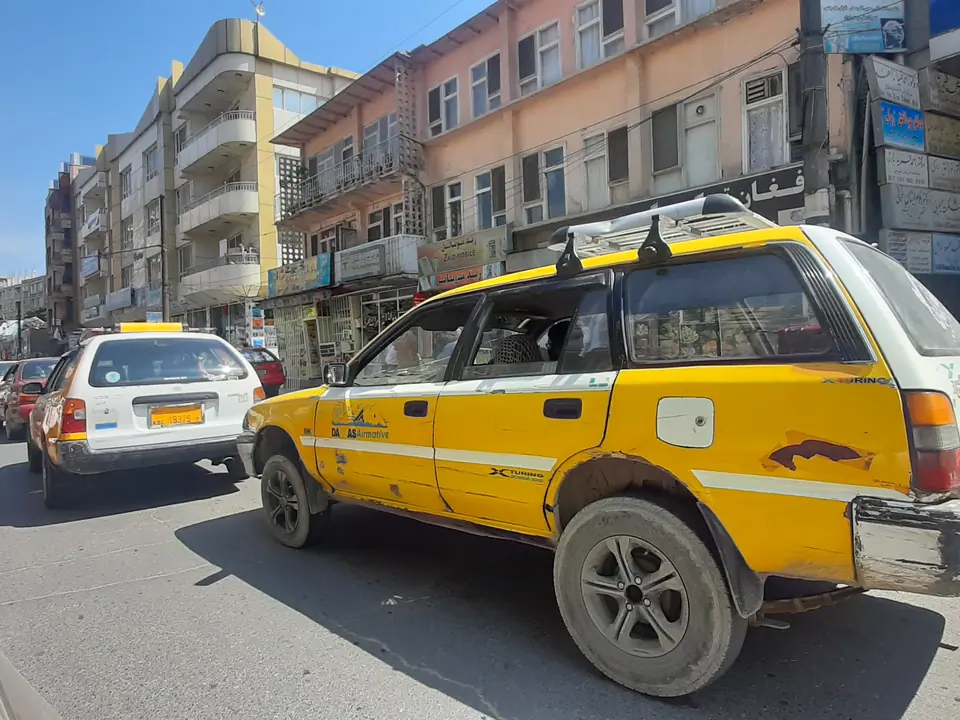
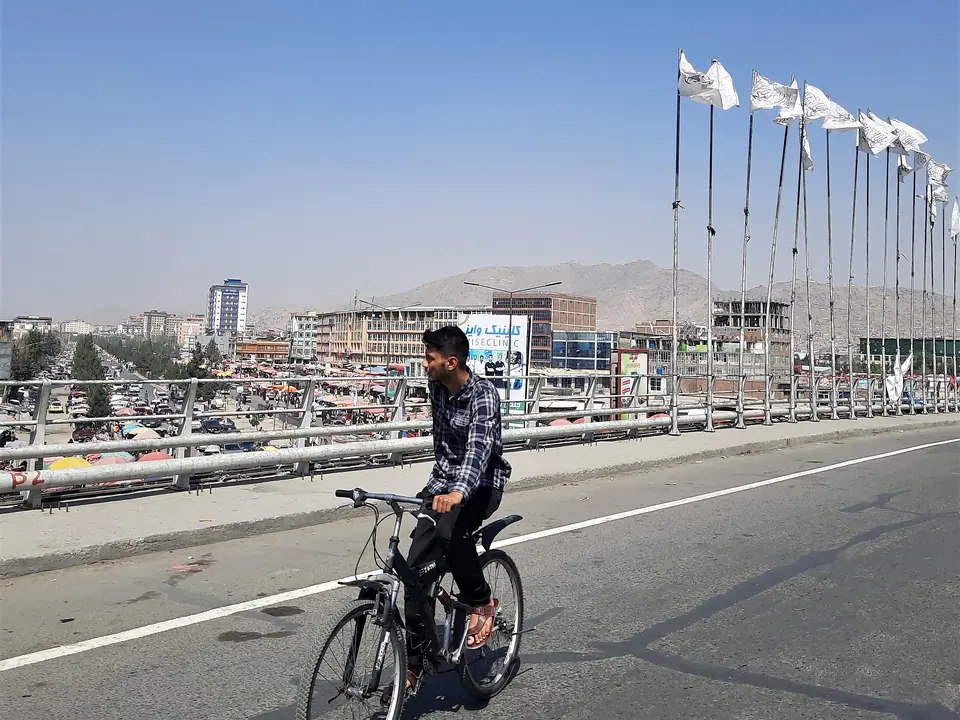
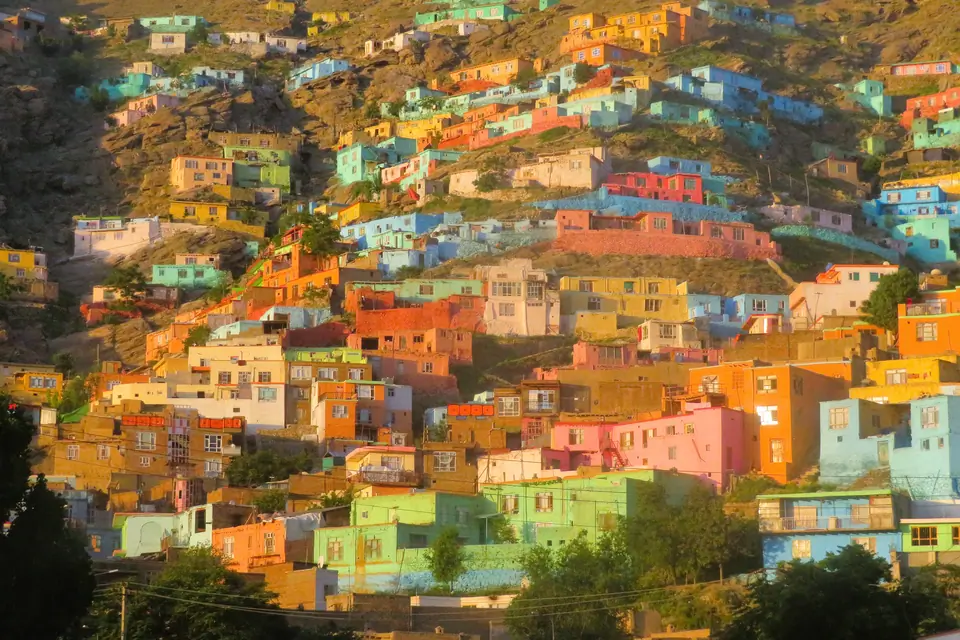
Kabul is the capital and largest city of Afghanistan. It has a population of around 4.5 million people and is located in the eastern part of the country, at the foot of the Hindu Kush mountain range.
Kabul may have originated under the Achaemenid Empire as early as the 6th century BC. Since then, the Kabul region has been a crossroads between India, China and the West. But also a crossroads of cultures and religions. Its history is rich, and in 1504 it became the main capital of the Mogul Empire.
The most important monuments of the city are the fortress of Bâlâ Hissâr which finds its origin at the time of Turki-Chachis; the garden of Babur and his tomb; the white marble mausoleum and mosque of Châh Djahân; the mausoleum of Timour Châh built in the garden of Châhar Bâgh; the former royal palace; the palace of Bagh-e Bâlâ; the Djâda-e Esteqlâl mosque; the Mausoleum of Abdur Rahman; the palace of Darulaman (or Aman) and the mausoleum of Jamal ad-Din al-Afghani.
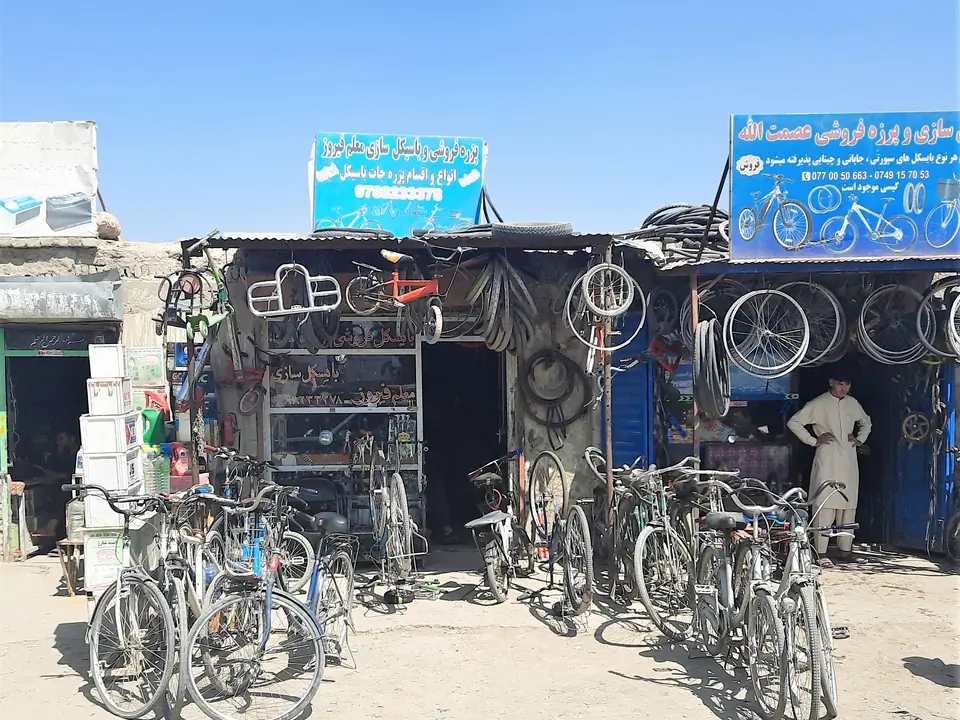
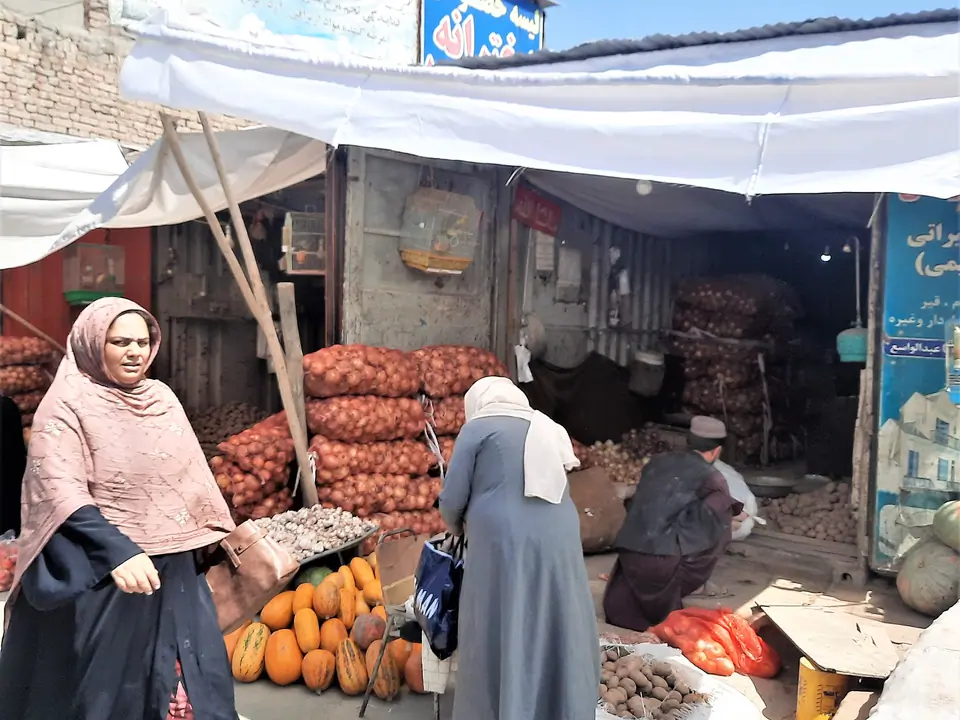
Kabul has also been heavily affected by the passed conflict in Afghanistan, and has seen much destruction and violence in recent years. Despite this, the city is still home to a vibrant and resilient population, with a strong sense of community and a rich cultural heritage.
It is also a good starting point for excursions to the surrounding countryside, such as to the historic city of Bagram and the Panjshir Valley.
Map margin
Where it sits
The map marks an orientation point for this territory; it does not describe its boundary.
Geographic index
Within this territory
2 destinations in the catalogue
Sights and natural places
-
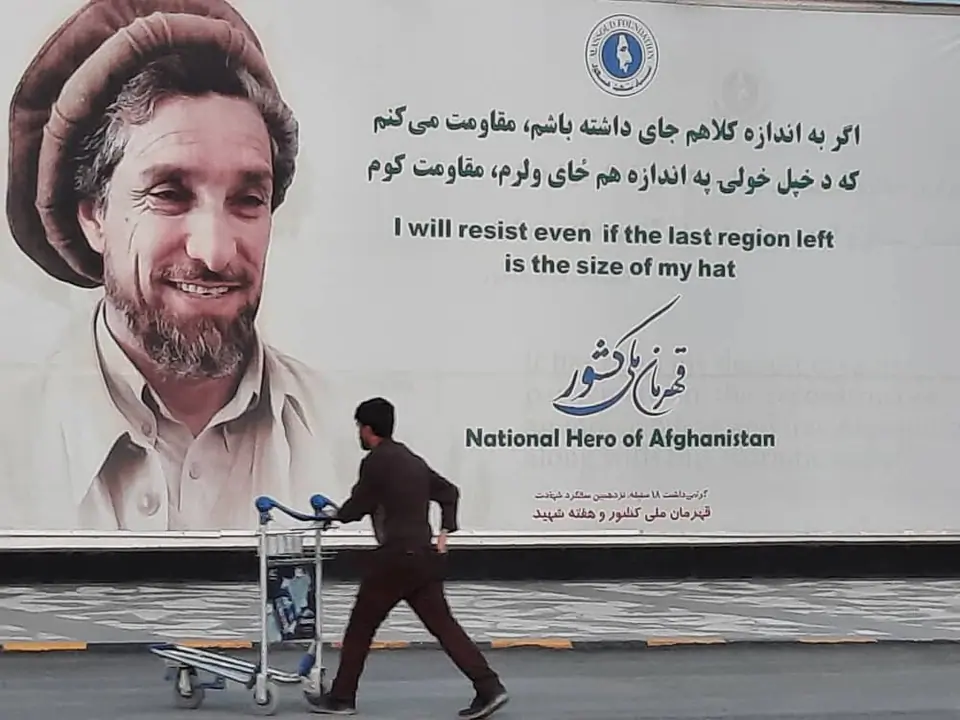
Kabul International Airport
Airport · 1790 m
-
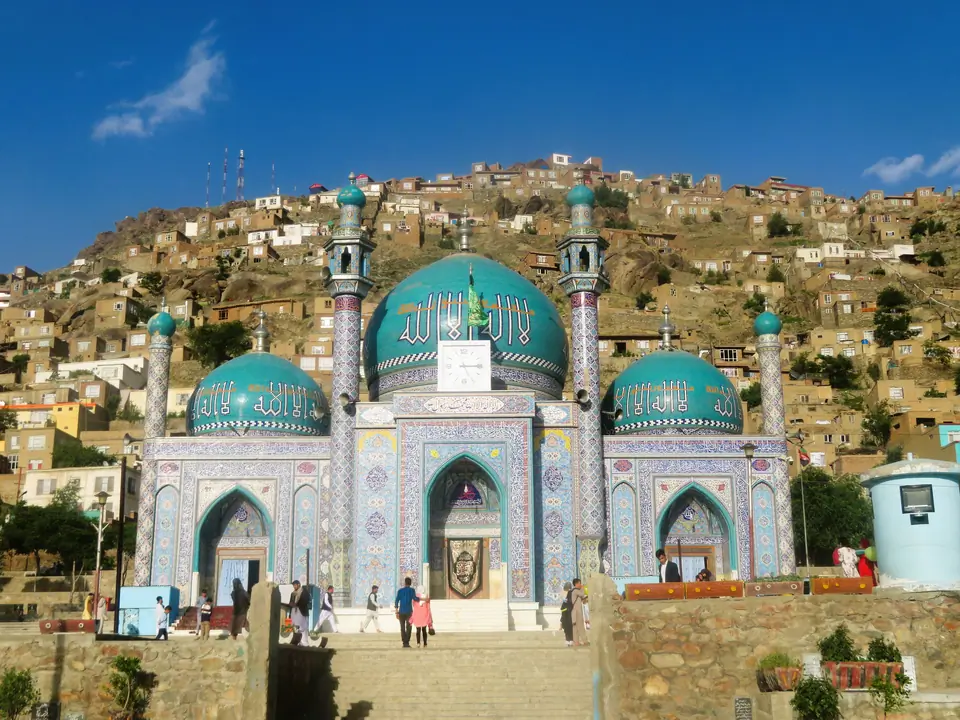
Rawza Sakhi Shah-e-Mardan mosque
Sacred Place · 1827 m
Visual field notes
A closer look