City
Pul-i-Khumri
- Territory type
- City
- Elevation
- 640 m
Territory notes
The field account
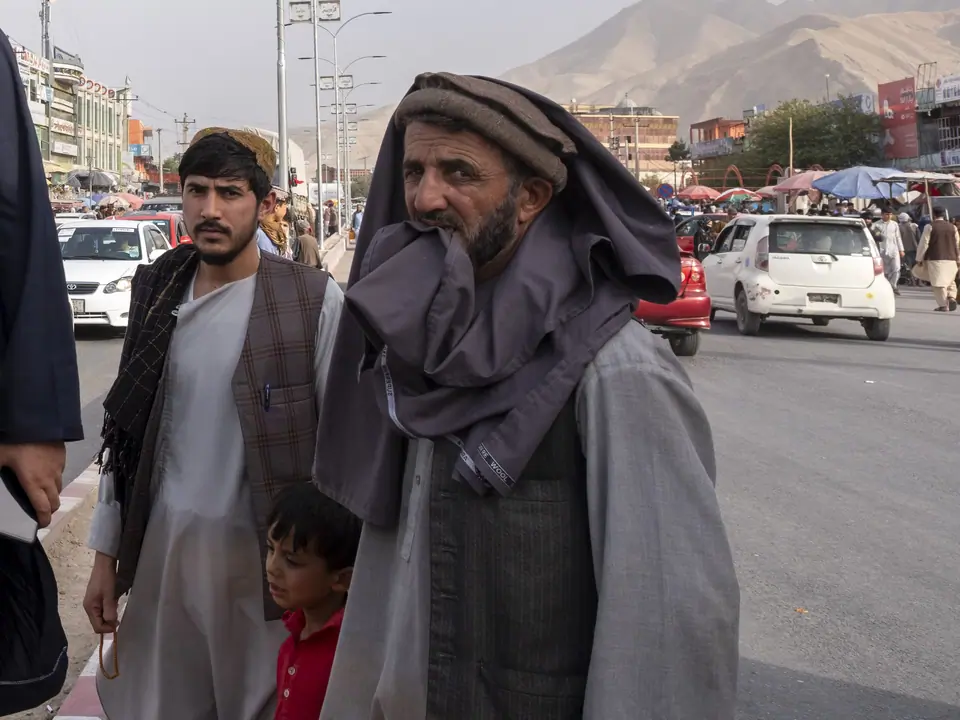
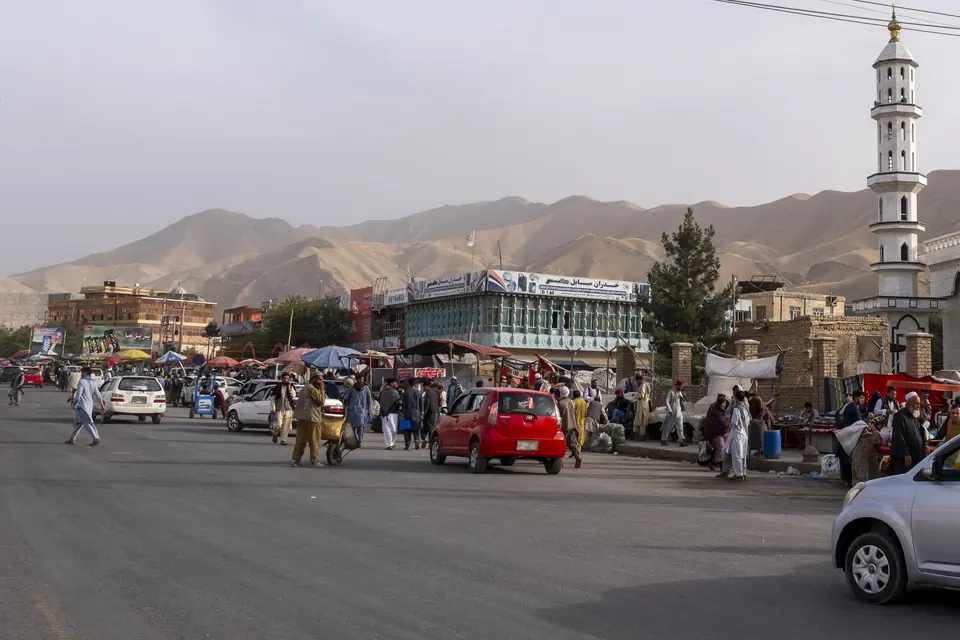
At the crossroads of Afghanistan’s major northern routes—linking Kabul, Kunduz, and Mazar-i-Sharif—lies Puli Khumri, a vibrant provincial capital rarely explored by travelers but rich in local life and character. With over 220,000 inhabitants, it ranks among the country’s ten largest cities, offering a unique window into Afghanistan’s industrial and cultural evolution.
The city unfolds along the Puli Khumri River, stretching 8 kilometers through fertile terrain. On its banks, a lively animal market pulses with rural energy, where herders trade livestock as they have for centuries. In the city center, a hydroelectric dam not only generates power but channels water to irrigate the productive plains to the northwest—vital to the region’s agriculture.
A symbol of mid-20th-century modernization, the cement factory, built by Czechoslovakia in 1954, still operates today, a reminder of the city’s role in Afghanistan’s industrial past. While Puli Khumri lacks grand historical monuments, traces of older neighborhoods and Soviet-era buildings offer a quiet testament to shifting political eras.
For travelers seeking an authentic Afghan experience far from the tourist trail, Puli Khumri offers everyday encounters—bustling bazaars, friendly locals, and the layered atmosphere of a crossroads city where past and present meet in motion.
Map margin
Where it sits
The map marks an orientation point for this territory; it does not describe its boundary.
Visual field notes
A closer look