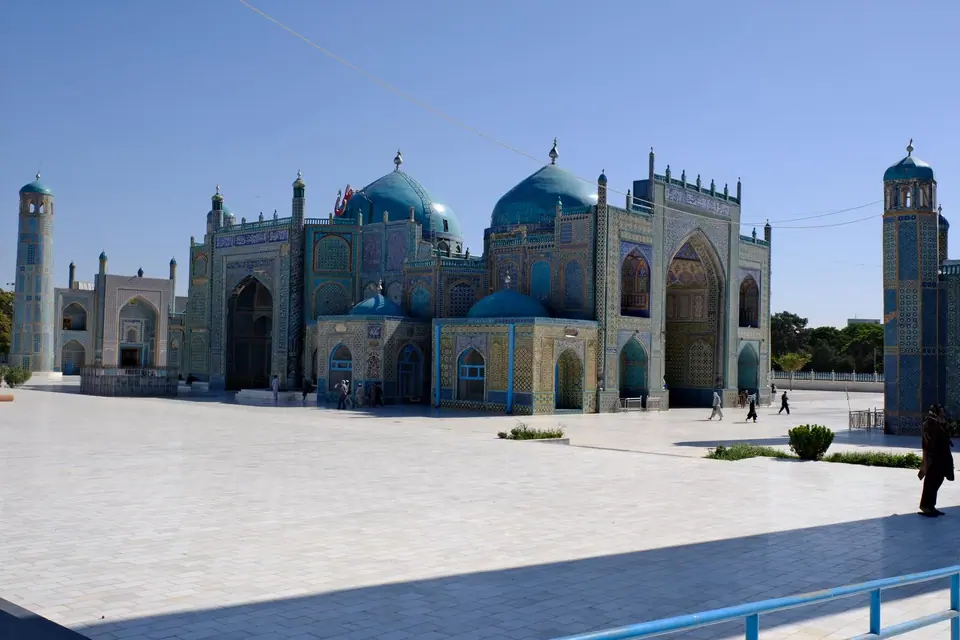
Sacred Place
The Blue Mosque of Mazar-i-Sharif
- Place type
- Sacred Place
- Elevation
- 362 m
Field notes
The field account
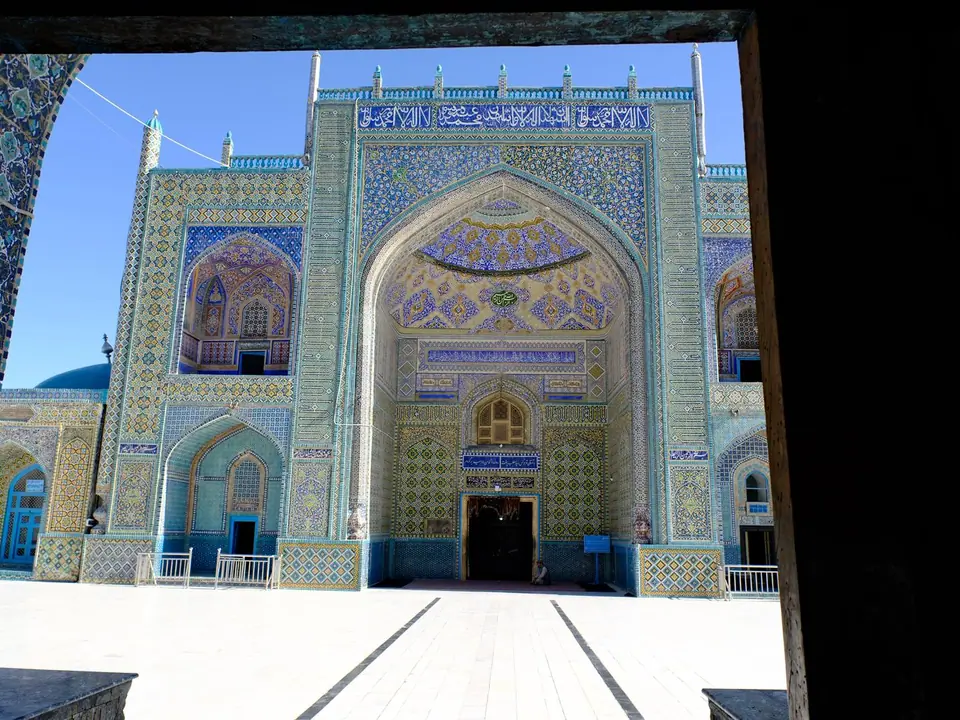
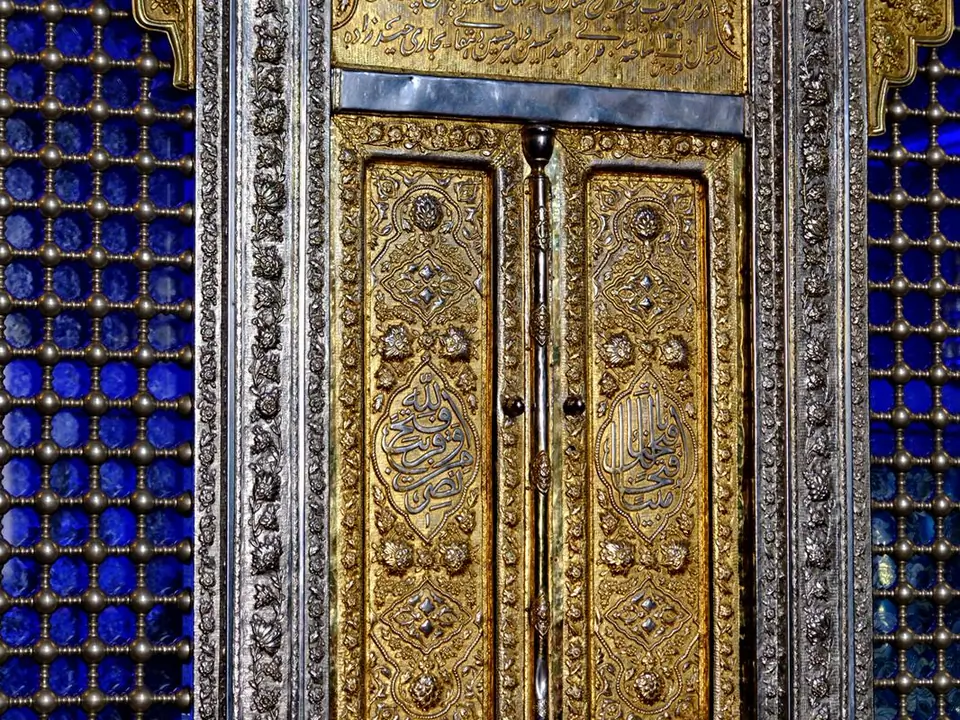
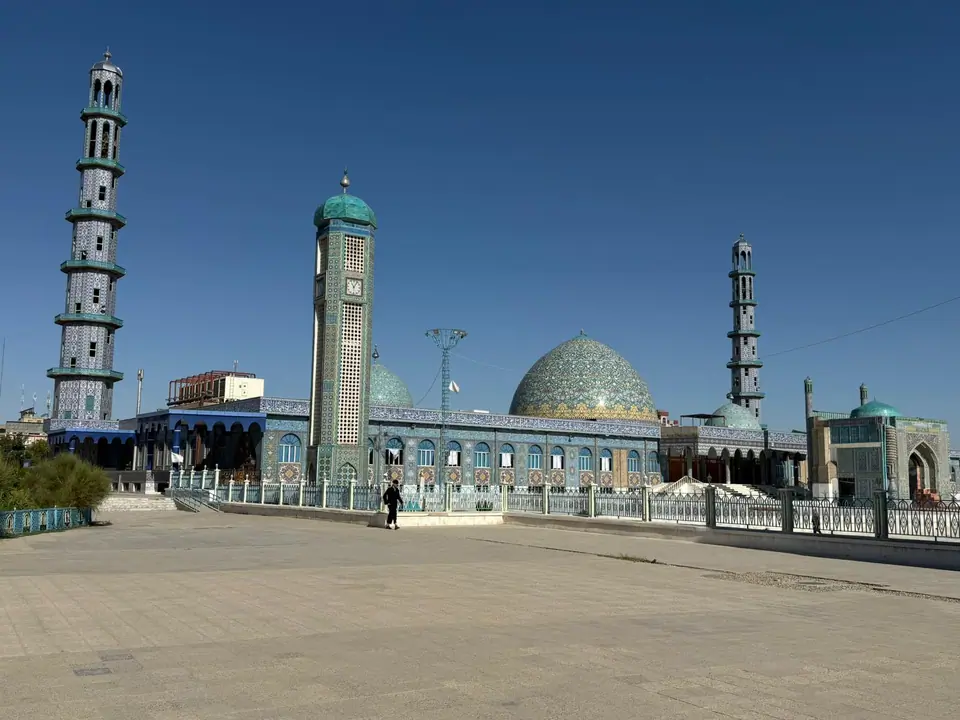
In the heart of northern Afghanistan, the city of Mazar-e Sharif rises from the arid plains as a hub of history, spirituality, and culture. Its centerpiece — the Blue Mosque, or Rawze-e-Sharif — stands as one of the most iconic and revered structures in Central Asia. For centuries, it has captivated visitors with its exquisite turquoise domes, intricate tilework, and the weight of legend it carries.
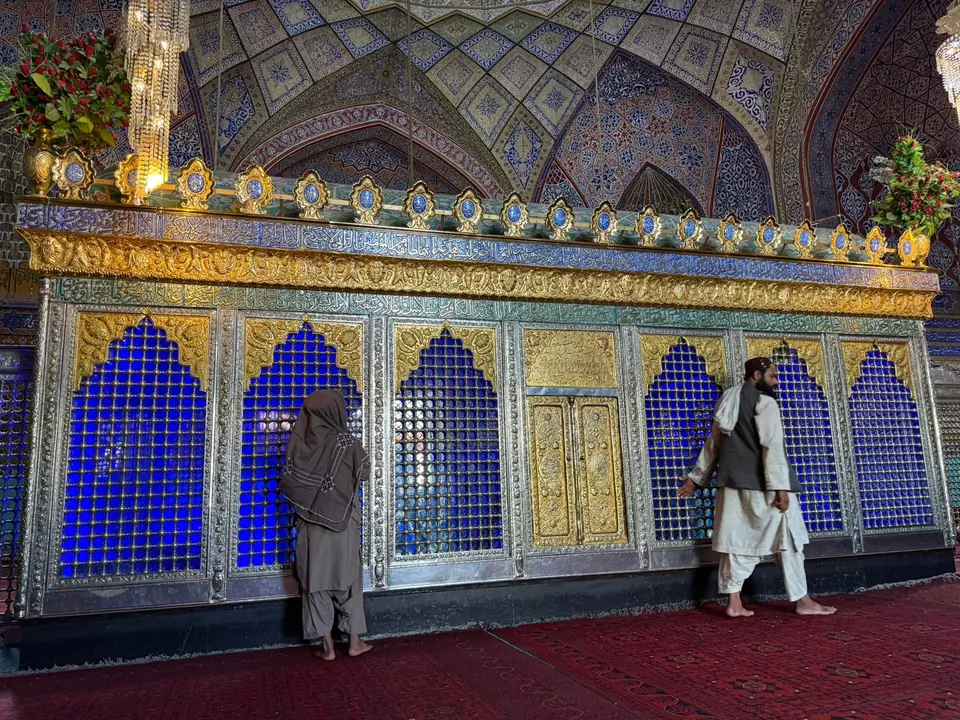
Locals believe the mosque is the final resting place of Ali ibn Abi Talib, the cousin and son-in-law of the Prophet Muhammad and the fourth caliph of Islam. While many Islamic traditions place Ali’s tomb in Najaf, Iraq, another tradition, particularly among certain Afghan communities, holds that his body was secretly transported to Balkh and buried here to protect it from desecration. Whether legend or truth, the belief has cemented Mazar-e Sharif’s role as a major pilgrimage site.
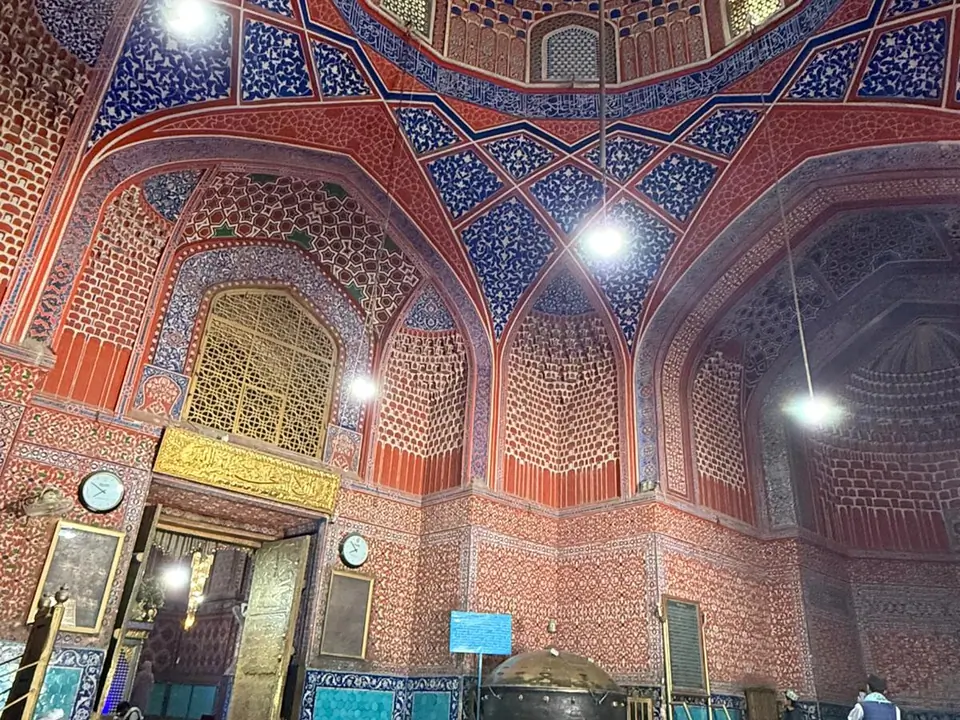
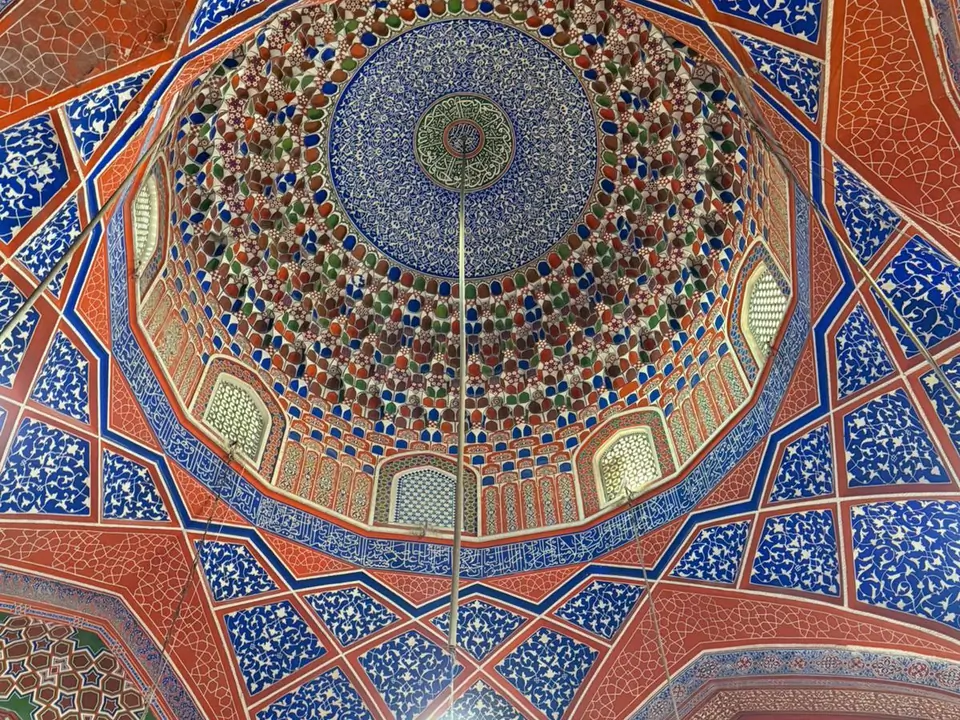
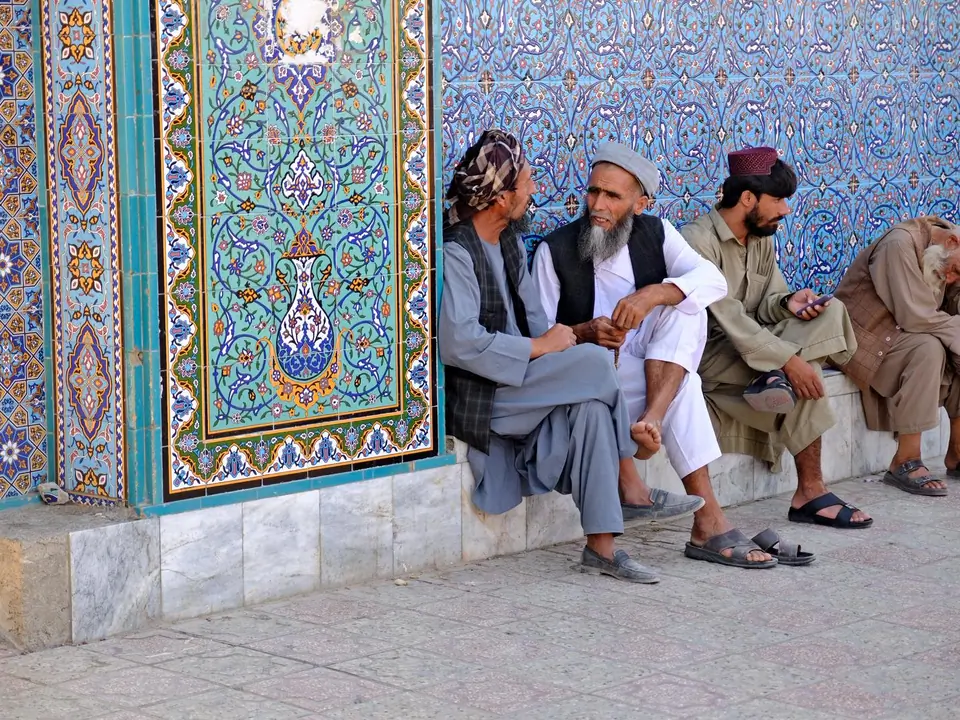
The current mosque complex dates largely to the 15th century, during the reign of the Timurid ruler Sultan Husayn Mirza Bayqara. Under his patronage, Persian and Central Asian architects and craftsmen adorned the structure with intricate mosaics of lapis lazuli blue, geometric motifs, and elegant calligraphy — hallmarks of Timurid architecture. The gleaming tiles, constantly catching the changing sunlight, give the mosque its unmistakable blue hue and a spiritual atmosphere that permeates the surrounding courtyards.
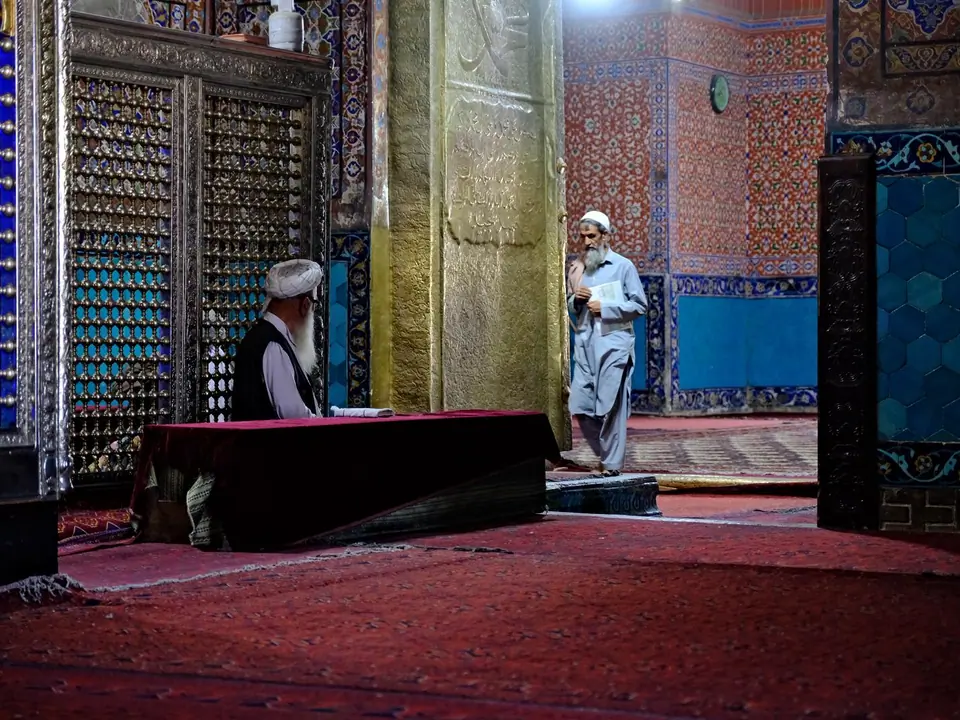
Beyond its architectural grandeur, the Blue Mosque is a living space — a place of prayer, reflection, and communal gathering. In the early mornings, flocks of white doves flutter around the grounds, a symbol of peace for many. During Nowruz, the Persian New Year celebrated every spring, tens of thousands gather in its vast courtyards to celebrate renewal and unity, a tradition that blends Islamic devotion with deep-rooted regional customs.
Despite periods of political instability and conflict in Afghanistan, the Blue Mosque has remained relatively well-preserved, a testament to the dedication of the local community. Today, it stands not only as a sacred site but as a symbol of Afghan resilience — a place where faith, history, and beauty converge in a single masterpiece of Islamic art and architecture.
Map margin
Where it sits
Visual field notes
A closer look