The plain facts before the route becomes real
Field-aware guide content for Afghanistan, adding context before clichés and helping travelers understand the place before they arrive.
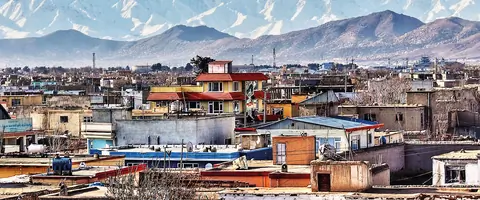
Afghanistan, located at the crossroads of Central and South Asia, has a population of around 41 million. The country’s economy, historically reliant on agriculture and trade, faces challenges but holds potential in mining and energy sectors.Basic Statistics for AfghanistanCategoryDataTotal Area652,230 sq kmPopulation (2023 est.)41.11 millionPopulation Density63 per sq kmCapital CityKabulMajor LanguagesDari (official), Pashto (official)GDP (PPP) 2022$81.6 billionGDP Per Capita (PPP)$2,000GDP (Nominal) 2022$20.8 billionGDP Per Capita (Nominal)$550Gini Coefficient (2008)27.8Human Development Index (2022)0.511CurrencyAfghan Afghani (AFN)Time ZoneUTC +4:30Driving SideRightCalling Code+93Internet TLD.afLife Expectancy55.75 yearsLiteracy Rate37.3%Public Holidays in AfghanistanNew Year’s Day (Nawroz): March 21Labor Day: May 1Independence Day: August 19Victory Day: April 28Martyrs and Ahmad Shah Massoud Day: September 9Eid al-Fitr: Date varies (Islamic calendar)Eid al-Adha: Date varies (Islamic calendar)Mawlid al-Nabi: Date varies (Islamic calendar)Ashura: Date varies (Islamic calendar)GeographyAfghanistan is characterized by its rugged mountains, including the Hindu Kush range, and diverse landscapes that include deserts, valleys, and fertile plains. The country shares borders with several nations, including Pakistan, Iran, and China.Government and Political SystemAfghanistan is an Islamic republic with a presidential system. The country has experienced significant political changes and continues to work towards stability and governance improvements.Economy OverviewAfghanistan’s economy is primarily based on agriculture, mining, and trade. The country has significant reserves of minerals and natural resources, which offer potential for economic development.Health and SafetyTravelers should ensure they have comprehensive travel insurance and be aware of the healthcare facilities, which may be limited. It is recommended to be vaccinated against hepatitis A, typhoid, and other common diseases. Learn more about health and safety.EducationEducation in Afghanistan has been improving, with efforts to increase access to primary and secondary education. The country has several universities and institutions of higher learning.Environmental ConcernsAfghanistan faces environmental challenges such as deforestation, water scarcity, and soil erosion. Conservation efforts are underway to address these issues and protect the natural environment.Cultural Etiquette and NormsAfghan culture places a high value on hospitality and respect for elders. Visitors should dress modestly and be mindful of local customs and traditions, especially in rural areas.Sources:World BankCIA World FactbookTrading Economics