The plain facts before the route becomes real
Field-aware guide content for Xinjiang (China), adding context before clichés and helping travelers understand the place before they arrive.
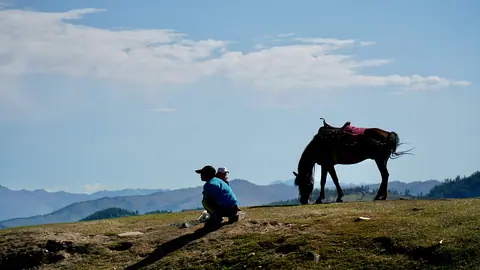
Xinjiang, an autonomous region in China, is home to around 25 million people. Known for its diverse ethnic groups and rich history, the region’s economy benefits from its strategic location on the Silk Road, with significant contributions from agriculture, mining, and textiles.Basic Statistics for Xinjiang, ChinaCategoryDataTotal Area1,664,900 sq kmPopulation (2023 est.)25.85 millionPopulation Density15.5 per sq kmCapital CityUrumqiMajor LanguagesUyghur, Mandarin ChineseGDP (PPP) 2022$290 billionGDP Per Capita (PPP)$11,227GDP (Nominal) 2022$160 billionGDP Per Capita (Nominal)$6,192Gini Coefficient (2017)31.9Human Development Index (2022)0.759CurrencyChinese Yuan (CNY)Time ZoneUTC +6Driving SideRightCalling Code+86Internet TLD.cnLife Expectancy74.7 yearsLiteracy Rate99.2%Public Holidays in Xinjiang, ChinaNew Year’s Day: January 1Chinese New Year: Date varies (Lunar calendar)Tomb-Sweeping Day: April 4-6Labor Day: May 1Dragon Boat Festival: Date varies (Lunar calendar)Mid-Autumn Festival: Date varies (Lunar calendar)National Day: October 1-7Eid al-Fitr: Date varies (Islamic calendar)Eid al-Adha: Date varies (Islamic calendar)GeographyXinjiang is characterized by its vast deserts, such as the Taklamakan, and significant mountain ranges, including the Tian Shan and Kunlun. The region has a varied climate, with harsh winters and hot summers, and is bordered by several countries, including Kazakhstan, Kyrgyzstan, and Tajikistan.Government and Political SystemXinjiang is an autonomous region within China, governed under the administrative framework of the People’s Republic of China. The region has a unique political structure that accommodates various ethnic groups.Economy OverviewThe economy of Xinjiang is diverse, with major contributions from agriculture, mining, and textiles. The region also benefits from its strategic location on the historic Silk Road, facilitating trade and economic development.Health and SafetyHealthcare facilities in Xinjiang are improving, but travelers should ensure they have comprehensive travel insurance and necessary medications. It is recommended to be vaccinated against hepatitis A, typhoid, and other common diseases. Learn more about health and safety.EducationEducation in Xinjiang includes both modern and traditional elements, with schools offering instruction in multiple languages, including Mandarin and Uighur. The region has several universities and institutes of higher education.Environmental ConcernsXinjiang faces environmental issues such as desertification and water scarcity. Efforts to address these challenges include reforestation and sustainable water management projects.Cultural Etiquette and NormsXinjiang’s culture is a blend of various ethnic traditions, with a strong emphasis on hospitality and respect for elders. Visitors should dress modestly and be mindful of local customs, especially in religious and traditional settings.Sources:National Bureau of Statistics of ChinaChina DailyXinhua News