The plain facts before the route becomes real
Field-aware guide content for Kazakhstan, adding context before clichés and helping travelers understand the place before they arrive.
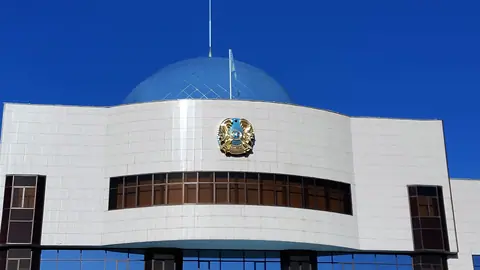
Kazakhstan, the largest Central Asian country, spans a vast area with a population nearing 20 million. Known for its vast steppes and economic resources, the country’s wealth comes from oil, natural gas, and mineral reserves, making it the richest in the region.Basic Statistics for KazakhstanCategoryDataTotal Area2,724,900 sq kmPopulation 2023 est.)19.8 millionPopulation Density7.3 per sq kmCapital CityAstanaMajor LanguagesKazakh (official), RussianGDP 2022) 2022$604.9 billionGDP Per Capita 2022 (PPP)$30,469GDP 2022) 2022$210.2 billionGDP Per Capita 2022 (Nominal)$10,612Gini Coefficient 201827.5Human Development Index 20220.825CurrencyKazakhstani Tenge (KZT)Time ZoneUTC +5/+6Driving SideRightCalling Code+7Internet TLD.kzLife Expectancy73.3 yearsLiteracy Rate99.8%Public Holidays in KazakhstanNew Year’s Day: January 1International Women’s Day: March 8Nauryz (Persian New Year): March 21-23Unity Day: May 1Defender of the Fatherland Day: May 7Victory Day: May 9Capital City Day: July 6Constitution Day: August 30First President Day: December 1Independence Day: December 16Eid al-Fitr: Date varies (Islamic calendar)Eid al-Adha: Date varies (Islamic calendar)GeographyKazakhstan features diverse landscapes, including vast steppes, mountains, and deserts. It is the largest landlocked country in the world, bordered by Russia, China, Kyrgyzstan, Uzbekistan, and Turkmenistan.Government and Political SystemKazakhstan is a presidential republic with significant powers vested in the President. The country has been transitioning towards more balanced governance structures in recent years.Economy OverviewKazakhstan's economy is heavily reliant on oil, natural gas, and minerals. The country is the largest economy in Central Asia, with ongoing efforts to diversify and modernize its economic sectors.Health and SafetyHealthcare in Kazakhstan is advancing, but travelers should have comprehensive travel insurance and be aware of medical facilities, especially in rural areas. Recommended vaccinations include hepatitis A, typhoid, and others. Learn more about health and safety.EducationKazakhstan places a strong emphasis on education, with compulsory primary and secondary education. The country has numerous universities and higher education institutions contributing to its educational development.Environmental ConcernsKazakhstan faces environmental issues such as desertification, pollution, and loss of biodiversity. Efforts to combat these problems include conservation projects and sustainable development initiatives.Cultural Etiquette and NormsKazakh culture is known for its hospitality and respect for traditions. Visitors should dress modestly and be mindful of customs, such as greeting elders with respect.Sources:World BankCIA World FactbookAgency for Strategic Planning and Reforms of Kazakhstan