Card convenience ends where local reality begins
Practical money guidance for Kyrgyzstan: currency, cash and card use, exchange habits, route cash planning and where not to improvise.
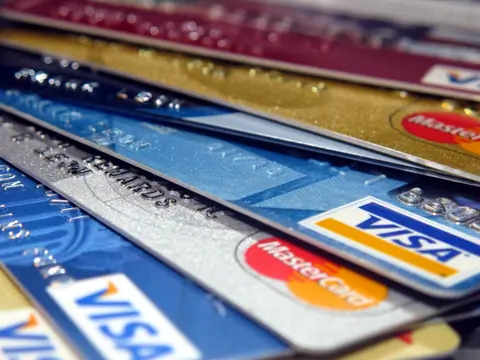
Before you choose cash or card
Money advice in Kyrgyzstan depends on the route. Cities, airports and larger hotels may work differently from valleys, villages, homestays, border areas or mountain regions. Carry enough flexibility for the journey, not just for the capital. For organized trips, we help estimate what should be prepaid, what should be carried in cash and where cards are realistic.
Money in Kyrgyzstan
The local currency is the Kyrgyz som (KGS). Exchange rates, ATM reliability, card acceptance and cash availability can change, so this page should be treated as practical orientation rather than a rate sheet.
For most Silk Road journeys, the safest money plan is mixed:
- keep some cash for small purchases, rural services, tips, markets and places where terminals are not reliable;
- use cards where they are commonly accepted, usually in larger cities, better hotels, some restaurants and supermarkets;
- exchange money through banks, licensed exchange offices or trusted formal channels, not street dealers;
- keep banknotes clean and in good condition when carrying foreign cash for exchange;
- check whether your bank card works in the country before travel and carry a backup card if possible;
- keep small denominations for drivers, cafés, toilets, local markets and village stops.
For remote routes, do not assume that an ATM shown on a map will work when you need it. Power cuts, empty machines, local card limits or connectivity problems can still affect a travel day. Nomad’s Land can advise how much route cash is realistic once the itinerary, accommodation level and included services are clear.
For border crossings and customs, cash declaration rules may apply above certain thresholds. Check current rules before carrying large amounts across borders.