The plain facts before the route becomes real
Field-aware guide content for Kyrgyzstan, adding context before clichés and helping travelers understand the place before they arrive.
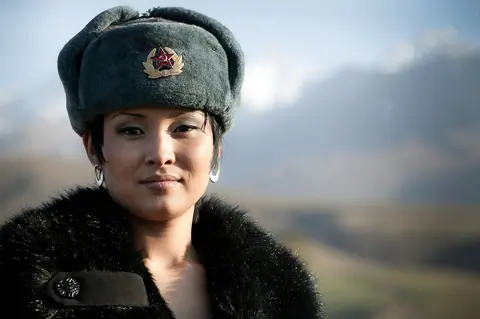
Kyrgyzstan, a mountainous country in Central Asia, has a diverse landscape and a rich cultural heritage. With a population of approximately 7 million, it boasts a blend of ethnic groups and languages. The country’s economy is supported by agriculture, mining, and hydroelectric power.Basic Statistics for KyrgyzstanCategoryDataTotal Area199,951 sq kmPopulation (2023 est.)7,037,590Population Density35.2 per sq kmCapital CityBishkekMajor LanguagesKyrgyz (official), RussianGDP (PPP) 2022$37.72 billionGDP Per Capita (PPP)$6,790GDP (Nominal) 2022$9.23 billionGDP Per Capita (Nominal)$1,307Gini Coefficient (2018)27.3Human Development Index (2022)0.697CurrencyKyrgyzstani Som (KGS)Time ZoneUTC +6Driving SideRightCalling Code+996Internet TLD.kgLife Expectancy71.6 yearsLiteracy Rate99.6%Public Holidays in KyrgyzstanNew Year’s Day: January 1Orthodox Christmas: January 7Defender of the Fatherland Day: February 23International Women's Day: March 8Nowruz: March 21Labour Day: May 1Victory Day: May 9Constitution Day: May 5Independence Day: August 31Eid al-Fitr: Date varies (Islamic calendar)Eid al-Adha: Date varies (Islamic calendar)GeographyKyrgyzstan is characterized by its mountainous terrain, with the Tien Shan range covering much of the country. It features diverse landscapes, including alpine lakes, fertile valleys, and semi-deserts. The country is landlocked, bordered by Kazakhstan, Uzbekistan, Tajikistan, and China.Government and Political SystemKyrgyzstan is a parliamentary republic with a multi-party system. The President serves as the head of state, while the Prime Minister is the head of government. Since its independence from the Soviet Union, Kyrgyzstan has made significant strides in democratic governance.Economy OverviewKyrgyzstan’s economy relies heavily on agriculture, mining, and hydroelectric power. Key exports include gold, cotton, and livestock. The country is actively working on diversifying its economy and improving its infrastructure to attract foreign investment.Health and SafetyTravelers are advised to have travel insurance and be aware of local healthcare facilities, which may be limited in remote areas. It is recommended to be vaccinated against hepatitis A, typhoid, and other common diseases. Learn more about health and safety.EducationKyrgyzstan boasts a well-educated population with a strong emphasis on primary and secondary education. Higher education institutions are growing, contributing to the country’s development.Environmental ConcernsThe country faces environmental challenges, including deforestation, soil erosion, and water pollution. Efforts are underway to address these issues through various conservation projects.Cultural Etiquette and NormsKyrgyz culture is deeply rooted in nomadic traditions. Respect for elders and hospitality are important values. When visiting, it is polite to remove shoes before entering homes and to dress modestly.Sources:World Bank: Kyrgyz Republic OverviewUnited Nations Development Programme (UNDP): Human Development ReportsCIA World Factbook: KyrgyzstanWorldometer: Kyrgyzstan Demographics