City
Ulaanbaatar
Ulaanbaatar before the steppe opens
- Territory type
- City
- Elevation
- 1310 m
Territory notes
The field account
Ulaanbaatar is a city/gateway within Central Mongolia, used to organize journeys, places and route context.
Ulaanbaatar (or formerly Ulan Bator) was founded in 1639 as an administrative center of Mongolian Buddhism. Today, half of the population of Mongolia lives in the capital, or 1.4 million people.
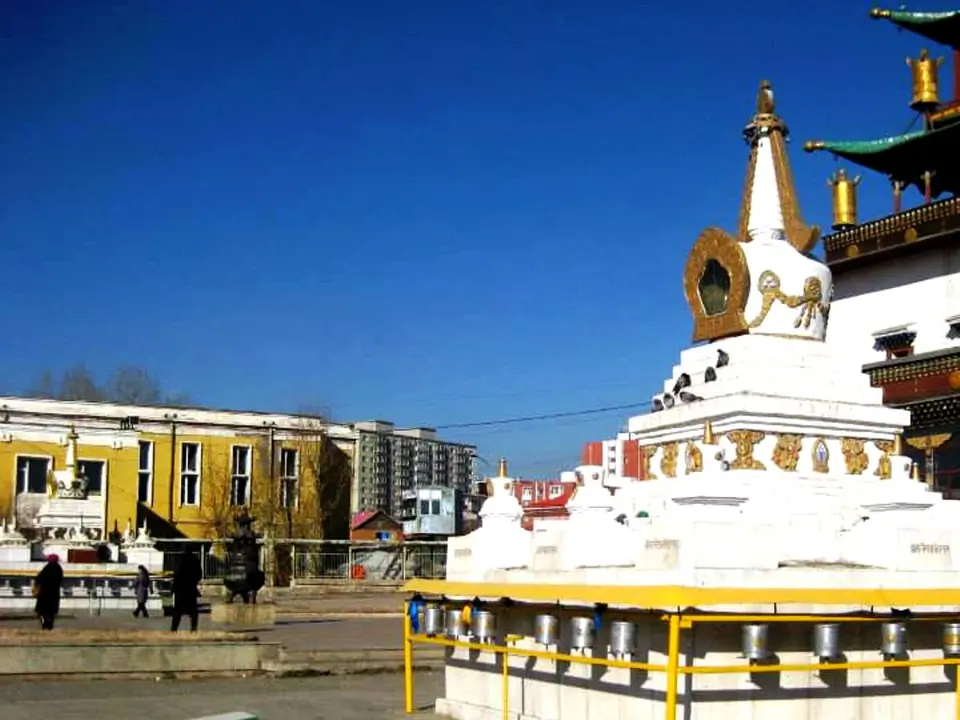
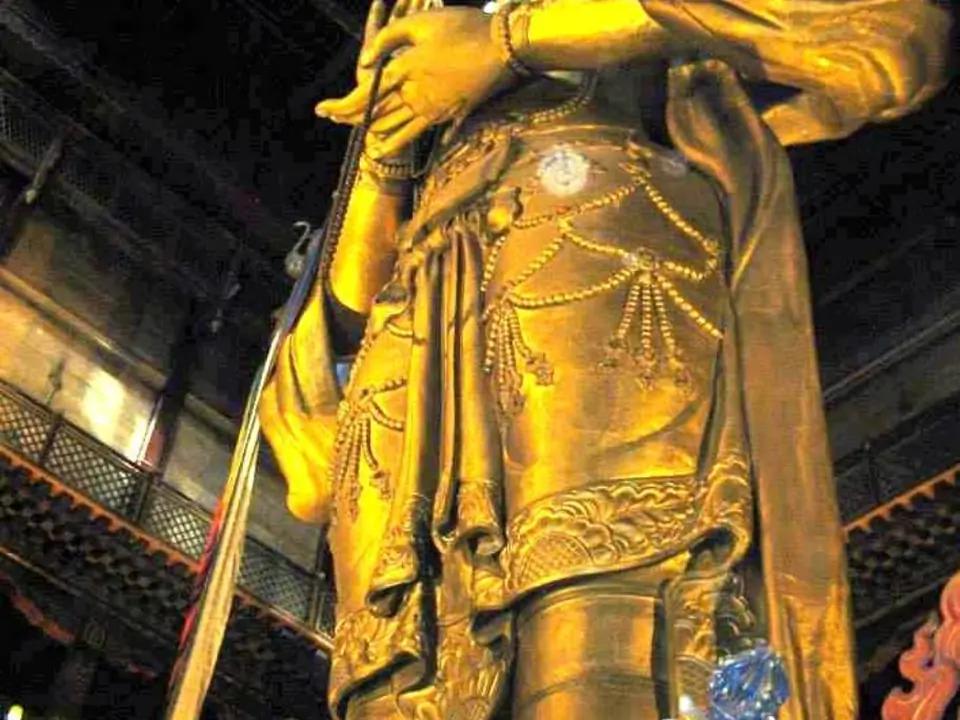
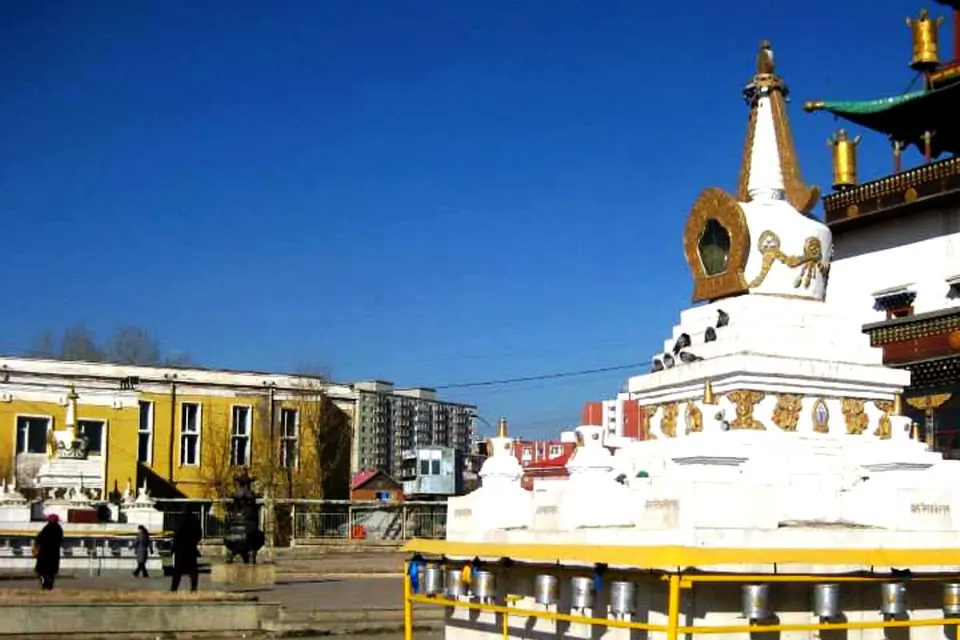
Ulaanbaatar is a cultural hub, boasting numerous museums, art galleries, theaters, and cultural centers where visitors can immerse themselves in Mongolia's fascinating heritage. Wander through historic landmarks such as the Gandantegchinlen Monastery, one of the largest Buddhist monasteries in Mongolia, or delve into the royal history of the Bogd Khan Palace Museum, once the residence of Mongolia's last king.
Sukhbaatar Square, the heart of the city, is adorned with impressive statues and monuments, including the iconic figure of Genghis Khan on horseback. Here, visitors can soak in the atmosphere and witness the bustling energy of daily life in Ulaanbaatar.
But Ulaanbaatar isn't just about history, it's also a city of cultural experiences and natural beauty. Attend traditional Mongolian performances featuring throat singing and contortionists, or browse vibrant markets selling local crafts and souvenirs.
Beyond the city limits, Ulaanbaatar is surrounded by breathtaking natural landscapes, including the Bogd Khan Mountain National Park and the Tuul River. Outdoor enthusiasts can embark on hiking adventures, horseback riding excursions, and more, just a short drive from the city center.
Throughout your stay, you'll be greeted with the warm hospitality of the Mongolian people, known for their friendliness and generosity toward guests. So come, discover the wonders of Ulaanbaatar, where ancient traditions thrive amidst the buzz of modern life.
Map margin
Where it sits
The map marks an orientation point for this territory; it does not describe its boundary.
Visual field notes
A closer look