The itinerary should obey the country, not the other way around
How arrivals, airports, buses, borders, roads and distances shape travel in Mongolia, especially for supported or multi-country itineraries.
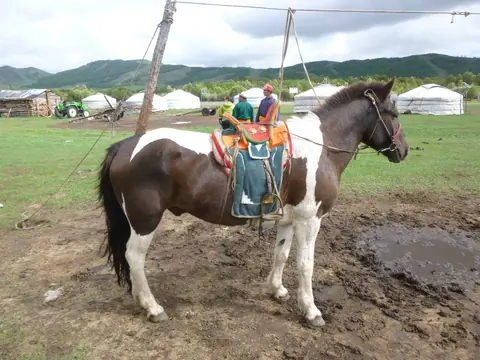
Mongolia, a land of vast steppes, nomadic culture, and ancient traditions, offers travelers a unique and adventurous experience. From the bustling capital of Ulaanbaatar to the serene landscapes of the Gobi Desert and the Altai Mountains, Mongolia is a captivating destination. Proper planning can ensure a smooth and memorable trip. Here are some essential tips to help you prepare.
1. Research and Preparation
- Learn About Local Customs: Understanding Mongolian customs and etiquette can greatly enhance your experience. Respect for elders, traditional greetings, and hospitality are important aspects of Mongolian culture.
- Check Travel Advisories: Stay updated on travel advisories and health recommendations from your country’s government. Websites like CDC and WHO provide health guidelines for travelers.
- Language Basics: Mongolian is the official language. Learning a few basic phrases in Mongolian can be very helpful. Consider bringing a phrasebook or downloading a language app.
2. Itinerary Planning
- Suggested Itineraries: Depending on your travel duration, consider the following itineraries:
- One Week: Focus on Ulaanbaatar, Terelj National Park, and Khustai National Park.
- Two Weeks: Add visits to the Gobi Desert, Karakorum, and Orkhon Valley.
- One Month: Explore more remote areas like the Altai Mountains, Khuvsgul Lake, and the Tsaatan reindeer herders.
- Balancing Activities: Mix popular tourist spots with lesser-known attractions to avoid crowds and discover unique experiences. For example, combine visits to the bustling city of Ulaanbaatar with a trip to the remote Gobi Desert.
3. Budgeting and Costs
- Typical Costs: Mongolia is affordable for travelers. Budget around $30-$50 per day for budget travel, including accommodation, food, and local transport.
- Accommodation: Hostels and guesthouses range from $10-$20 per night. Yurt (ger) stays cost about $20-$30.
- Food: Meals at local cafes cost $3-$5, while dining in restaurants can be $10-$20.
- Transportation: Buses and trains are affordable, costing $1-$5 for local travel. Hiring a private driver or joining a tour for remote areas can be more expensive.
- Money-Saving Tips: Use public transport, eat at local cafes, and consider group tours for activities like desert excursions and cultural tours.
4. Packing Essentials
- Clothing: Pack layers to handle varying climates, from the cold mountains to the hot deserts. Include a warm jacket for the evenings, light clothing for warmer days, and a hat for sun protection.
- Travel Gear: Essential items include a good daypack, comfortable walking shoes, a reusable water bottle, and a basic first aid kit.
- Cultural Considerations: Dress modestly, especially when visiting rural areas and religious sites. Women should carry a scarf to cover their heads when entering monasteries.
5. Safety and Health
- General Safety: Mongolia is generally safe, but stay aware of your surroundings, especially in crowded places. Keep your belongings secure and avoid walking alone at night in unfamiliar areas.
- Health Precautions: Ensure you are up-to-date on routine vaccines. Consider vaccines for hepatitis A, hepatitis B, and typhoid. Bring medications for common ailments and any prescription drugs you need.
- Altitude Sickness: If you plan to visit high-altitude areas like the Altai Mountains, acclimatize slowly and stay hydrated.
6. Transportation and Connectivity
- Getting Around: Mongolia has a limited but functional transport network, including buses, trains, and domestic flights.
- Trains: The Trans-Mongolian Railway connects Ulaanbaatar with Russia and China, offering a scenic and comfortable way to travel. Domestic trains connect major cities.
- Buses and Taxis: Buses are the most common form of public transport in cities. Taxis are widely available and affordable; ensure the taxi is metered or agree on a fare beforehand.
- Staying Connected: Buy a local SIM card for affordable mobile data. Major providers include Mobicom, Unitel, and G-Mobile. Wi-Fi is available in most hotels and cafes in cities, though it can be slow in remote areas.
Additional Resources and Links
- Top Recommendations: Best Places to Stay, Best Places to Eat
- On the Ground: Activities
- Understand: History, Etiquette
- Planning Tools: Travel with Children, Best Known For, Entry and Exit Formalities, Arriving in Destination
- Practical Information: Health, Getting Around
Mongolia, with its vast landscapes and rich cultural heritage, offers a diverse and adventurous travel experience. By planning ahead, you can ensure a smooth and memorable journey, whether you're exploring the vibrant capital of Ulaanbaatar, trekking through the Altai Mountains, or experiencing the nomadic lifestyle in a traditional ger. Use these tips to make the most of your adventure in this fascinating country.