The plain facts before the route becomes real
Field-aware guide content for Mongolia, adding context before clichés and helping travelers understand the place before they arrive.
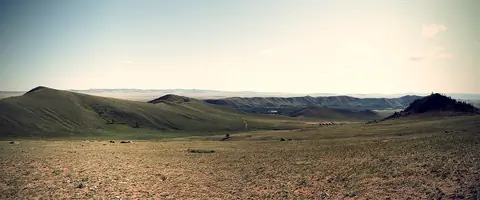
Mongolia, situated between China and Russia, has a population of 3.4 million. Known for its nomadic culture and vast steppes, Mongolia’s economy is driven by mining, agriculture, and tourism, with significant contributions from copper and coal exports.Basic Statistics for MongoliaCategoryDataTotal Area1,564,116 sq kmPopulation (2023 est.)3,447,157Population Density2.2 per sq kmCapital CityUlaanbaatarMajor LanguagesMongolian (official)GDP (PPP) 2022$47.07 billionGDP Per Capita (PPP)$13,692GDP (Nominal) 2022$15.89 billionGDP Per Capita (Nominal)$4,615Gini Coefficient (2018)32.6Human Development Index (2022)0.737CurrencyMongolian Tögrög (MNT)Time ZoneUTC +8Driving SideRightCalling Code+976Internet TLD.mnLife Expectancy72.9 yearsLiteracy Rate99.2%Public Holidays in MongoliaNew Year’s Day: January 1Tsagaan Sar (Lunar New Year): Date varies (Lunar calendar)International Women's Day: March 8Mother and Children’s Day: June 1Naadam Festival: July 11-15Independence Day: November 26Republic Day: December 29GeographyMongolia is characterized by vast steppes, the Gobi Desert, and mountain ranges such as the Altai. It is a landlocked country bordered by Russia to the north and China to the south, with diverse landscapes that include forests, lakes, and grasslands.Government and Political SystemMongolia is a parliamentary republic with a President as the head of state and a Prime Minister as the head of government. The country has a multi-party political system.Economy OverviewMongolia’s economy relies heavily on mining, agriculture, and tourism. Key exports include copper, coal, and livestock. The country is working on diversifying its economy and improving infrastructure.Health and SafetyTravelers should have comprehensive travel insurance and be aware of healthcare facilities, especially in rural areas. Vaccinations for hepatitis A, typhoid, and other common diseases are recommended. Learn more about health and safety.EducationMongolia places a strong emphasis on education, with compulsory primary and secondary education. The country has several universities and higher education institutions that contribute to its educational landscape.Environmental ConcernsMongolia faces environmental challenges such as desertification, deforestation, and water pollution. Conservation efforts include reforestation projects and sustainable land management practices.Cultural Etiquette and NormsMongolian culture is deeply rooted in nomadic traditions. Hospitality is highly valued, and guests are often offered food and drink upon entering a home. Visitors should dress modestly and respect local customs.Sources:Asian Development Bank (ADB)World BankCIA World Factbook