Trekking Windows, Monsoon Logic and Altitude
Nepal is not one trekking season. It is a stack of climates: Terai heat, Kathmandu Valley weather, mid-hill rain, high-pass snow, rain-shadow exceptions and altitude that changes the night faster than the map changes the day. The question is not “Is Nepal good in October?” It often is. The better question is: which trail, which altitude, which side of the monsoon, and how much crowd pressure are you willing to accept?
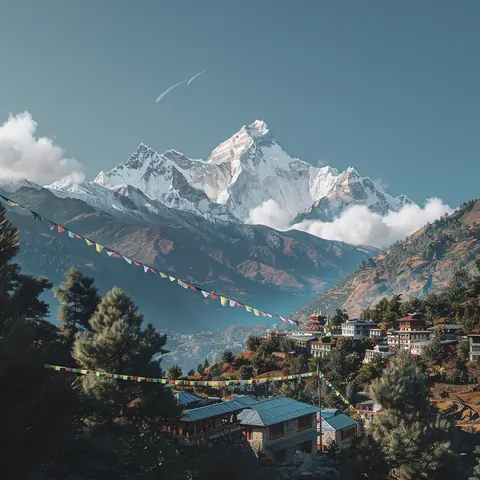
Choose your season by trail logic
| If your trip depends on… | Best window | Do not force | Nomad’s Land note |
|---|---|---|---|
| Classic trekking visibility | October to November | Expecting solitude on the most famous trails | Post-monsoon clarity is excellent; popularity is part of the season. |
| Spring trekking and rhododendrons | March to May | Assuming views are always as clear as autumn | Spring is warmer and lively, but haze and pre-monsoon build-up can affect visibility. |
| High passes | Late spring or autumn, depending on route | Winter crossings without specialist planning | Snow and altitude set the rules, not the itinerary title. |
| Monsoon travel | June to September, only for selected routes | Classic wet-side trekking as if rain is only an inconvenience | Rain-shadow areas may work; landslides, leeches, clouds and transport disruption matter elsewhere. |
| Terai wildlife and lowerland travel | November to March | Peak heat and heavy monsoon conditions | Nepal is more than the Himalaya; lowland season has a different logic. |
The thing most travelers get wrong
They think “Nepal weather” means Himalayan views. But a Nepal journey may begin with humid city heat, climb through wet hills, sleep in cold lodges, cross windy passes and end in subtropical lowlands. The best season is the one that matches the vertical journey, not the postcard.
When not to go, unless you know why
- June to September for classic trekking routes: rain, cloud, landslides and transport disruption can dominate unless the route is chosen carefully.
- Deep winter for high passes: possible only for experienced travelers with proper local support and flexibility.
- October with no booking margin: the best visibility season is also a busy season.
- April and May if you need perfect mountain clarity every day: warmer does not always mean clearer.
Season by season: what changes on the ground
Spring: March to May
Spring is warm, active and strong for trekking. Rhododendrons color mid-hill routes, high trails open progressively, and lodges are alive. Visibility can be less crisp than autumn, especially later in the season.
Summer and monsoon: June to September
Monsoon is not simply “bad weather.” It is a route filter. Some rain-shadow areas can work; many classic routes become wetter, cloudier and more vulnerable to landslides or transport delays.
Autumn: October to November
Autumn is the classic Nepal answer for a reason: clearer skies after the rains, strong trekking conditions and excellent visibility. It is also the moment when famous routes are most visibly famous.
Winter: December to February
Winter brings clear air and fewer people on lower and mid-altitude routes, but cold nights and snow risk at altitude. It rewards selected itineraries and punishes lazy assumptions about high passes.
How season changes the route
- Everest and Annapurna classics: strongest in autumn and spring, with crowd and booking strategy part of the plan.
- Mustang and rain-shadow areas: can be more realistic during monsoon than wet-side routes, but access still needs checking.
- Terai and wildlife extensions: cooler months often work better than hot or monsoon periods.
- High-pass treks: never plan from a calendar alone; snow and acclimatization decide.
Weather reference: Kathmandu is not the trek
Kathmandu data helps with arrival and valley planning. It does not tell you what happens at 3,500 meters, on a pass, in the Terai, or inside a monsoon-affected road day.
| Month | Average High (°C) | Average Low (°C) | Precipitation (mm) | Sunny Days | Partly Cloudy Days | Overcast Days |
|---|---|---|---|---|---|---|
| January | 19 | 2 | 15 | 25 | 4 | 2 |
| February | 21 | 4 | 18 | 22 | 6 | 1 |
| March | 25 | 8 | 30 | 25 | 4 | 2 |
| April | 30 | 12 | 50 | 20 | 8 | 2 |
| May | 30 | 17 | 100 | 15 | 10 | 6 |
| June | 30 | 20 | 225 | 5 | 10 | 15 |
| July | 29 | 21 | 375 | 3 | 8 | 20 |
| August | 29 | 21 | 360 | 3 | 8 | 20 |
| September | 29 | 19 | 175 | 10 | 10 | 10 |
| October | 28 | 13 | 50 | 25 | 5 | 1 |
| November | 23 | 8 | 8 | 28 | 2 | 0 |
| December | 20 | 4 | 10 | 27 | 3 | 1 |
Source supplied in existing content: Time and Date, Kathmandu, 2013–2023. Use as a city anchor only; verify against the canonical weather source before production publication.
Do not ask for Nepal’s best month. Ask which altitude, which trail side, which crowd level and which risk tolerance fit your journey.