The plain facts before the route becomes real
Field-aware guide content for Pakistan, adding context before clichés and helping travelers understand the place before they arrive.
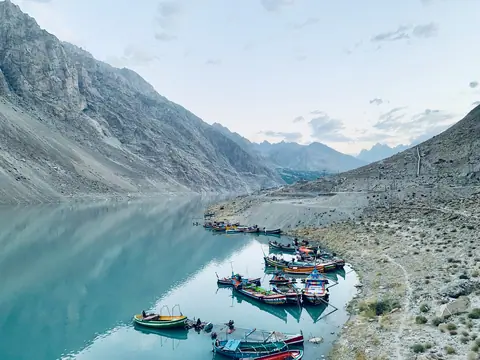
Gilgit-Baltistan, a region in northern Pakistan, is a paradise for adventurers and nature lovers. Discover its pristine valleys, towering peaks, and the vibrant cultures of its people.Basic Statistics for PakistanCategoryDataTotal Area881,913 sq kmPopulation (2023 est.)240.49 millionPopulation Density273 per sq kmCapital CityIslamabadMajor LanguagesUrdu (official), English, PunjabiGDP (PPP) 2022$1.56 trillionGDP Per Capita (PPP)$6,449GDP (Nominal) 2022$375 billionGDP Per Capita (Nominal)$1,559Gini Coefficient (2018)33.5Human Development Index (2022)0.544CurrencyPakistani Rupee (PKR)Time ZoneUTC +5Driving SideLeftCalling Code+92Internet TLD.pkLife Expectancy67.3 yearsLiteracy Rate59.13%Public Holidays in PakistanNew Year’s Day: January 1Pakistan Day: March 23Labour Day: May 1Independence Day: August 14Defence Day: September 6Allama Iqbal Day: November 9Quaid-e-Azam Day: December 25Eid al-Fitr: Date varies (Islamic calendar)Eid al-Adha: Date varies (Islamic calendar)Eid Milad-un-Nabi: Date varies (Islamic calendar)GeographyGilgit-Baltistan is characterized by its mountainous terrain, including some of the highest peaks in the world, such as K2. The region features stunning valleys, glaciers, and rivers, and is known for its breathtaking natural beauty.Government and Political SystemGilgit-Baltistan is an autonomous territory within Pakistan, governed by a regional assembly and the federal government. The region has a unique political status, with special administrative arrangements.Economy OverviewThe economy of Gilgit-Baltistan is based on agriculture, tourism, and trade. The region is known for its production of fruits, handicrafts, and gemstones, and it plays a crucial role in the China-Pakistan Economic Corridor (CPEC).Health and SafetyTravelers should have comprehensive travel insurance and be aware of healthcare facilities, which can be limited in remote areas. Vaccinations for hepatitis A, typhoid, and other common diseases are recommended. Learn more about health and safety.EducationEducation in Gilgit-Baltistan is improving, with efforts to expand access to primary and secondary education. The region has several colleges and vocational training centers.Environmental ConcernsGilgit-Baltistan faces environmental challenges such as glacial melting, deforestation, and water scarcity. Conservation efforts include projects to protect the unique ecosystems and biodiversity of the region.Cultural Etiquette and NormsThe culture of Gilgit-Baltistan is diverse, with multiple ethnic groups and languages. Hospitality is highly valued, and visitors should dress modestly and respect local customs.Sources:Pakistan Bureau of StatisticsCIA World FactbookWorldometer