Desert Heat, Permits and Archaeological Roads
Turkmenistan is not a country where weather is just comfort. It is access, stamina and permission. The desert can make a short stop feel long. A border plan can matter as much as a forecast. Ancient sites are not climate-controlled museums; they sit in open light, dust, wind and heat. The best season is the one that lets the archaeology breathe without turning the traveler into equipment.
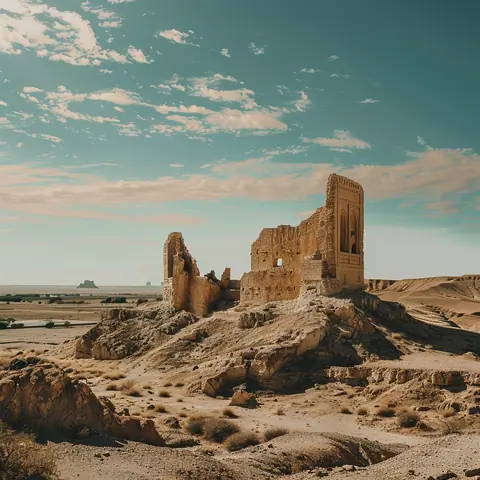
Choose your season by exposure, not by romance
| If your trip depends on… | Best window | Do not force | Nomad’s Land note |
|---|---|---|---|
| Merv, Nisa and archaeological sites | March to May; September to November | Unshaded peak summer visits | The sites deserve time; heat steals time. |
| Darvaza and desert routes | April to May; September to October | Midday-heavy desert travel in July and August | Plan around light, transfer distance and overnight comfort. |
| Ashgabat city stays | Spring and autumn; selected winter trips | Assuming marble architecture means easy walking in heat | City scale and exposure matter more than the brochure image. |
| Cross-border Silk Road routing | April, May, September and October | Visa/permit timing treated as an afterthought | Season and paperwork must be designed together. |
| Winter cultural travel | December to February | Expecting warm desert days everywhere | Winter can be practical and quiet, but nights and wind need attention. |
The thing most travelers get wrong
They think Turkmenistan is a detour: add Ashgabat, add Darvaza, continue the Silk Road. But Turkmenistan is a timing country. Permits, borders, desert heat, long distances and controlled access can shape the journey more than personal preference.
When not to go, unless you know why
- July and August for exposed desert or archaeology-heavy days: possible only with ruthless heat management.
- Any tight itinerary dependent on borders: build margin; paperwork and crossings are not scenery.
- Winter desert nights without proper clothing: the desert can be cold after sunset.
- Trips that treat Darvaza as a photo stop only: the timing, road and overnight setup determine whether it works well.
Season by season: what changes on the ground
Spring: March to May
Spring is one of the best windows for Turkmenistan. Desert routes, archaeological sites and Ashgabat are more workable before the full heat arrives. Later spring can already become hot, so the daily rhythm still matters.
Summer: June to August
Summer is not impossible, but it is unforgiving. The itinerary should reduce exposed time, protect water and shade, and avoid pretending that ancient sites can be visited like air-conditioned monuments.
Autumn: September to November
Autumn is often the strongest season: heat drops, desert light improves, and cultural routes become easier to pace. It is the most natural match for Silk Road combinations with Uzbekistan and Iran-side contexts when access allows.
Winter: December to February
Winter can work for city and cultural travel, with quieter conditions and less heat. But desert nights, wind, shorter days and reduced services should be considered.
How season changes the route
- Ashgabat – Nisa: manageable outside peak heat; city walks need timing and shade.
- Merv: best when the traveler can stay outside long enough to understand the site.
- Darvaza: strongest when planned around evening, night temperature, road condition and camp setup.
- Uzbekistan – Turkmenistan combinations: spring and autumn usually make more sense than high summer.
Weather reference: Ashgabat shows the heat problem, not the whole route
Ashgabat data is useful for understanding heat and seasonal comfort. It does not capture all desert routes, border timing, permit logistics or overnight conditions away from the city.
| Month | Average High (°C) | Average Low (°C) | Precipitation (mm) | Sunny Days | Partly Cloudy Days | Overcast Days |
|---|---|---|---|---|---|---|
| January | 8.6 | -0.4 | 20 | 15 | 10 | 6 |
| February | 11.2 | 1.8 | 25 | 16 | 8 | 4 |
| March | 16.5 | 6.2 | 30 | 18 | 9 | 4 |
| April | 24.1 | 12.3 | 35 | 20 | 7 | 3 |
| May | 30.2 | 18.4 | 20 | 25 | 5 | 1 |
| June | 36.5 | 23.7 | 10 | 27 | 3 | 0 |
| July | 38.3 | 25.5 | 5 | 28 | 3 | 0 |
| August | 37.1 | 24.8 | 2 | 28 | 3 | 0 |
| September | 31.7 | 19.4 | 3 | 25 | 4 | 1 |
| October | 24.1 | 12.0 | 10 | 22 | 6 | 3 |
| November | 15.2 | 5.3 | 15 | 18 | 9 | 3 |
| December | 10.4 | 1.2 | 20 | 15 | 10 | 6 |
Source supplied in existing content: Time and Date, Ashgabat, 2013–2023. Use as a city anchor only; verify against the canonical weather source before production publication.
Do not ask whether Turkmenistan is hot. Ask how much of your route is exposed, how much time is controlled by permits, and whether the itinerary lets the desert and archaeology be experienced without rushing.