The plain facts before the route becomes real
Field-aware guide content for Turkmenistan, adding context before clichés and helping travelers understand the place before they arrive.
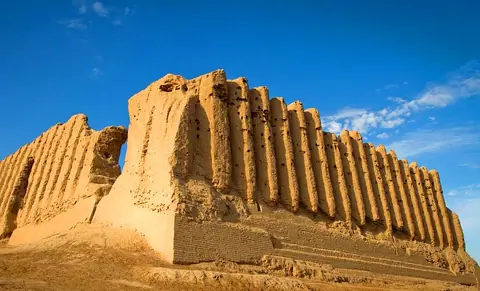
Turkmenistan, with a population of 6.5 million, is located in Central Asia. It is known for its significant natural gas reserves and desert landscapes. The country’s economy is heavily reliant on its energy sector, particularly natural gas exports.Basic Statistics for TurkmenistanCategoryDataTotal Area491,210 sq kmPopulation (2023 est.)6.5 millionPopulation Density14.4 per sq kmCapital CityAshgabatMajor LanguagesTurkmen (official), RussianGDP (PPP) 2023$126.132 billionGDP Per Capita (PPP)$19,938GDP (Nominal) 2023$81.822 billionGDP Per Capita (Nominal)$12,934Gini Coefficient (1998)40.8Human Development Index (2022)0.744CurrencyTurkmenistani Manat (TMT)Time ZoneUTC +5Driving SideRightCalling Code+993Internet TLD.tmLife Expectancy72.4 yearsLiteracy Rate99.7%Public Holidays in TurkmenistanNew Year’s Day: January 1Memorial Day: January 12International Women's Day: March 8Navruz (New Year): March 21-22Victory Day: May 9Constitution and Flag Day: May 18Gurban Bayram (Eid al-Adha): Date varies (Islamic calendar)Independence Day: September 27Day of Neutrality: December 12GeographyTurkmenistan is characterized by its vast desert landscapes, including the Karakum Desert, which covers much of the country. It is bordered by Kazakhstan, Uzbekistan, Afghanistan, Iran, and the Caspian Sea.Government and Political SystemTurkmenistan is a presidential republic with a strong centralized government. The President holds significant power, and the country has a single-party political system.Economy OverviewTurkmenistan’s economy is dominated by natural gas exports. The country also has significant reserves of oil and various minerals, contributing to its economic structure.Health and SafetyTravelers should have comprehensive travel insurance and be aware of limited healthcare facilities, especially in remote areas. Vaccinations for hepatitis A, typhoid, and other common diseases are recommended. Learn more about health and safety.EducationEducation in Turkmenistan is compulsory up to the secondary level. The country has several universities and institutions of higher education, focusing on various fields of study.Environmental ConcernsTurkmenistan faces environmental challenges such as desertification and water scarcity. Efforts to address these issues include water management projects and conservation initiatives.Cultural Etiquette and NormsTurkmen culture places a high value on hospitality and respect for traditions. Visitors should dress modestly and be aware of customs, such as greeting with a slight bow.Sources:Asian Development Bank (ADB) CIA World Factbook Wikipedia