Historical Site
Fayaz Tepe
- Place type
- Historical Site
- Elevation
- 309 m
Field notes
The field account
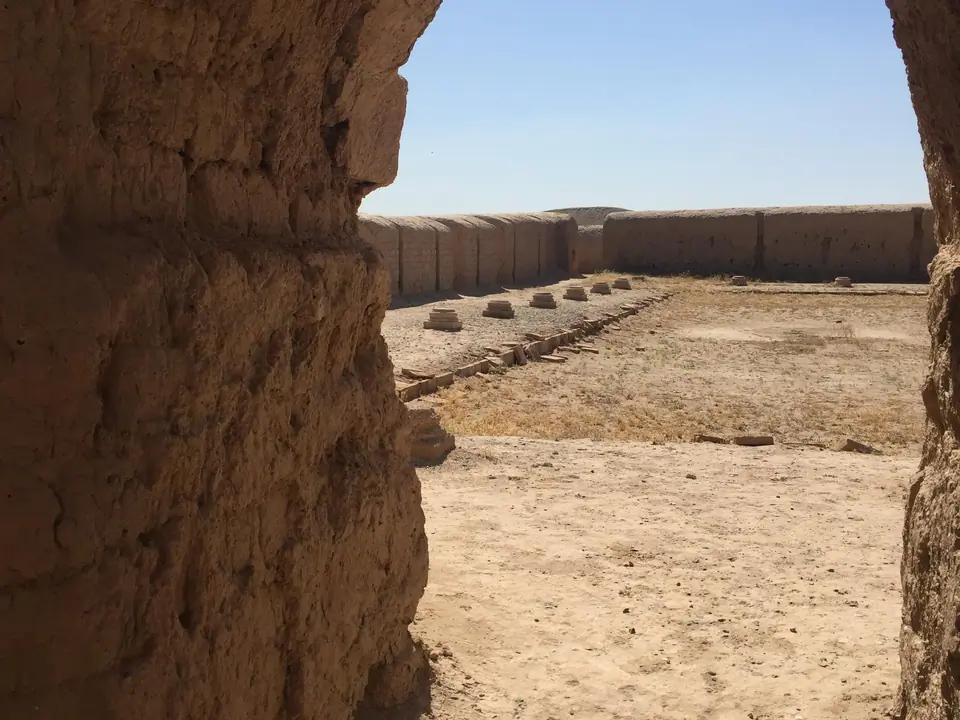
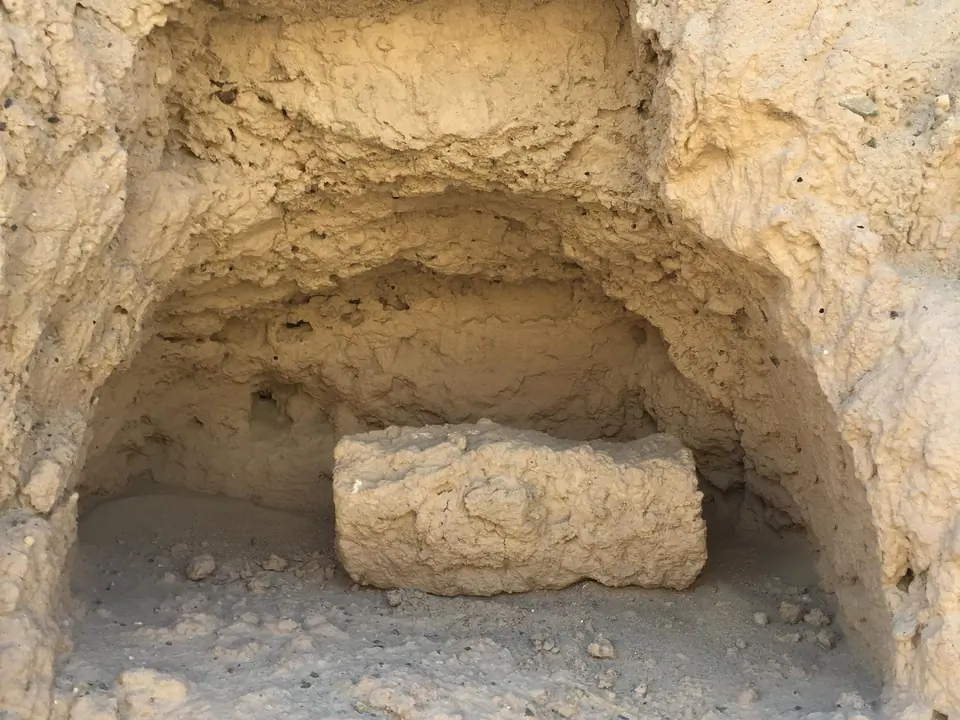
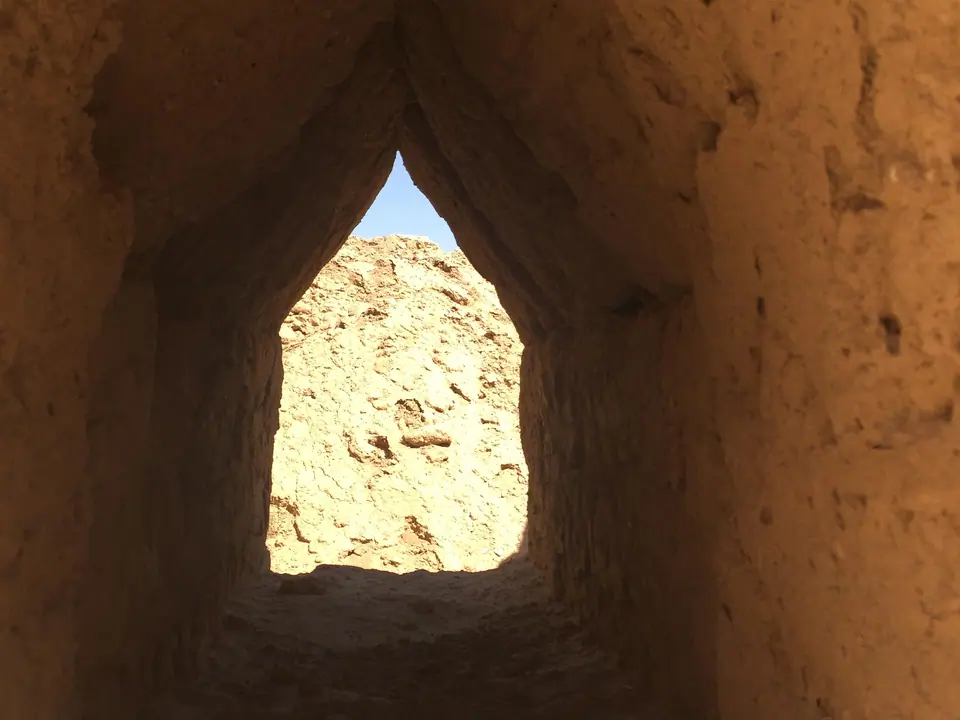
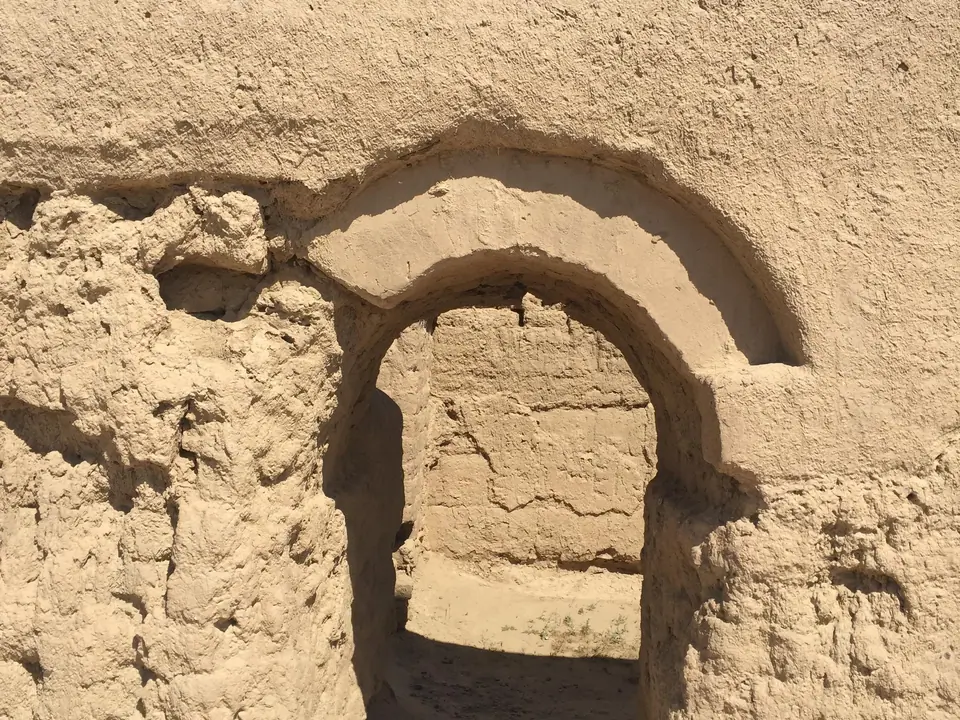
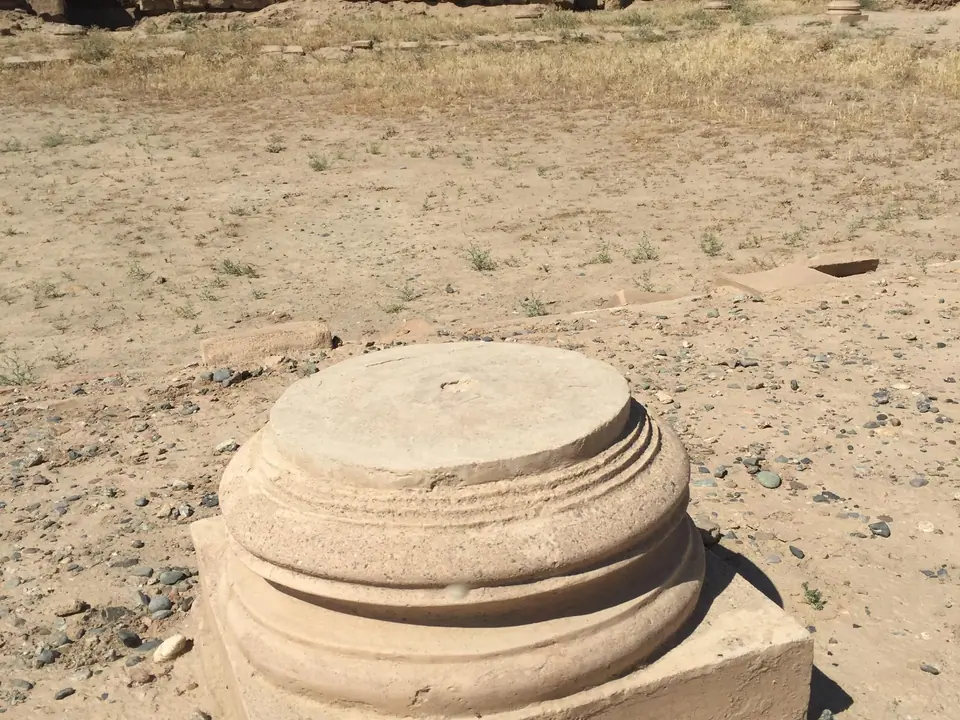
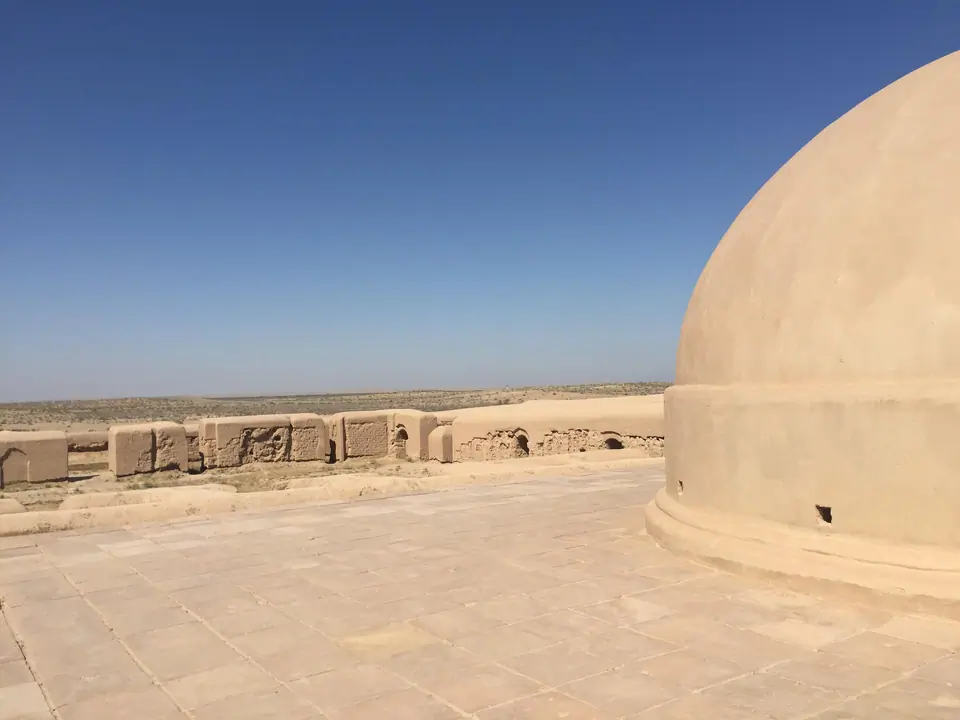
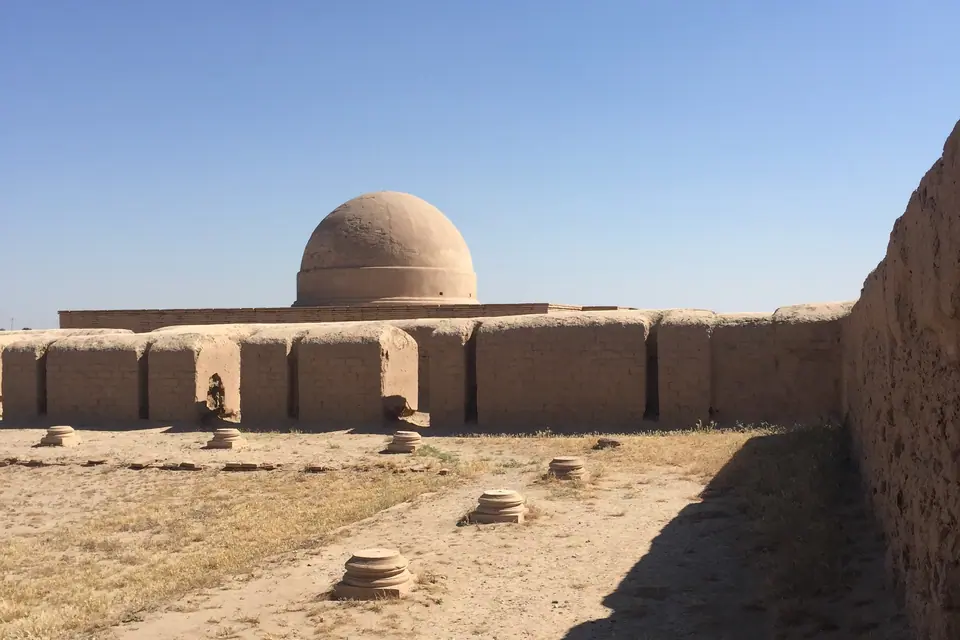
Fayaz Tepe is an archaeological site located in the city of Termez in southern Uzbekistan. It is believed to have been a Buddhist monastery complex that was active during the 2nd and 3rd centuries CE, although some parts of the site may have been used earlier and later as well.
The site is known for its well-preserved stucco decorations and frescoes, which depict various scenes from Buddhist mythology and daily life. Many of the images are thought to represent the life of the Buddha and his teachings, as well as the lives of monks and laypeople in ancient Central Asia.
Excavations at Fayaz Tepe have also uncovered a wealth of other artifacts, including pottery, coins, and jewelry, which provide valuable insights into the material culture and trade networks of the region during the Kushan period.
Map margin
Where it sits
Visual field notes
A closer look