Nature is easier to protect when travelers know what they are seeing
Field-aware guide content for Uzbekistan, adding context before clichés and helping travelers understand the place before they arrive.
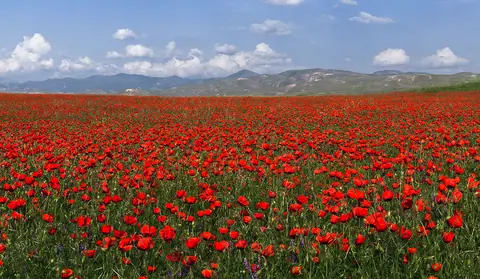
Uzbekistan’s landscapes offer a surprising diversity of flora and fauna, shaped by the country’s contrasting environments. Much of the territory is covered by deserts and dry steppes where hardy plants have adapted to extreme heat and limited water. Typical vegetation includes artemisia, salsola, sand acacia, saxaul, and tamarisk, all species capable of surviving in sandy and saline soils. Along the rare watercourses that cross the plains, the scenery changes dramatically. Here grow dense “tugai” forests composed of poplars, willows, and mulberries, forming green corridors that provide shade and shelter for wildlife. In the eastern mountains of the country, the vegetation becomes richer, with broadleaf forests of walnut trees, maple, birch, ash, and poplar covering the cooler slopes.Wildlife reflects this variety of habitats. In the deserts and steppes, travelers may encounter wild boars, wolves, foxes, and hares, while the sandy terrain is also home to many reptiles such as lizards and snakes. Among the most remarkable desert animals is the rare Saiga Antelope, famous for its distinctive nose and adapted to life in open plains. Some deserts also host impressive large lizards reaching up to half a meter in length. In the mountains, the fauna becomes even more diverse, with ibex, martens, badgers, and occasionally the elusive Snow Leopard, one of Central Asia’s most iconic and strictly protected species. Birdlife is abundant as well, ranging from pheasants and larks to owls and powerful birds of prey soaring above the valleys.Rivers and reservoirs add another layer of biodiversity. Their waters shelter numerous fish species such as trout, pike, carp, catfish, and the rare Aral Trout. Many of these species depend on fragile aquatic ecosystems that are under increasing pressure in Central Asia. For hikers and nature lovers, these environments are a privilege to explore, but they must be approached with care. When traveling in these landscapes, follow simple Leave No Trace principles: stay on existing paths, avoid disturbing wildlife, take all waste with you, and never pick rare plants or approach animals too closely. By respecting these guidelines, travelers help preserve Uzbekistan’s remarkable natural heritage for future generations.