Kurgans of Jalgyz Oruk
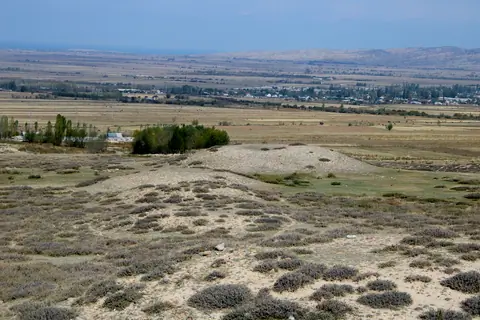
About 20 Kurgans (old tombs) in a field near Kyzyl Suu village.
Jalgyz-Örük
Kyrgyzstan
About 20 Kurgans (old tombs) in a field near Kyzyl Suu village.
Jalgyz-Örük
Kyrgyzstan
The museum is housed in a pretty chocolate-box cottage in central Karakol, and it was the pre-revolutionary summer home of the Iliana merchant family. From 1918-1920 the building earned its socialist stripes as headquarters of the Regional Revolutionary Committee, and was subsequently transformed into a museum by order of the Soviet Council of Ministers in 1948.
Karakol
Kyrgyzstan
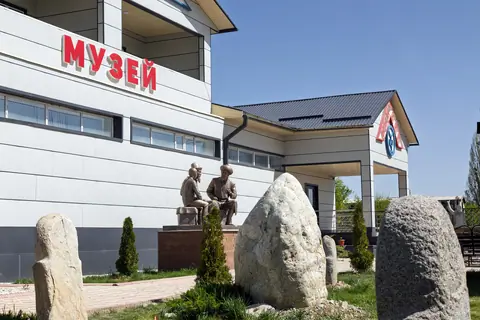
The Orgochor Historical Museum is a unique place where the memory and spirit of the region's past are preserved. The museum is a cultural centre where exhibits reflecting the history, traditions and everyday life of the local people are collected. You can see artefacts dating back to different historical periods, as well as learn about the development of Orgochor and its surroundings.
Orgochor
Kyrgyzstan
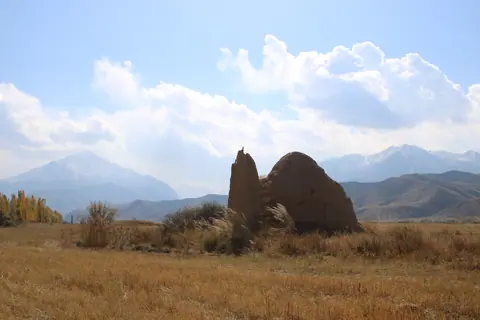
Ruins of ancient Gumbez is the only memory in the valley of Djuuku gorge. If you look around it’s hard to believe that long time ago a lot of things were going on here.
According to the history this gumbez belonged to one rich man called Balchak. Balchak was famous and powerful leader since he owned nomadic tribes in Yssyk-Kul, Kashgar and Central Tian Shan. Balchak built has gumbez in all regions where he owned nomads.
Jeti-Ögüz
Kyrgyzstan
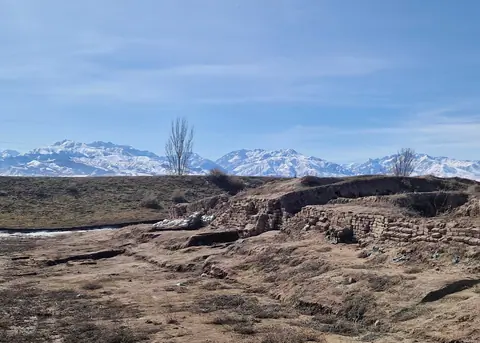
The ruins of the ancient city of Ak-Beshim are located south of Tokmok, near the village of the same name. It was here that the city of Suyab once stood—one of the most important centers of the Great Silk Road in the Chuy Valley.
In the 5th–10th centuries, Suyab was a major commercial and political city where caravans from China, Central Asia, and the Middle East converged. Merchants, diplomats, and travelers passed through its streets, and along with goods, ideas, religions, and cultures of different peoples spread here.
Ak-Beshim
Kyrgyzstan
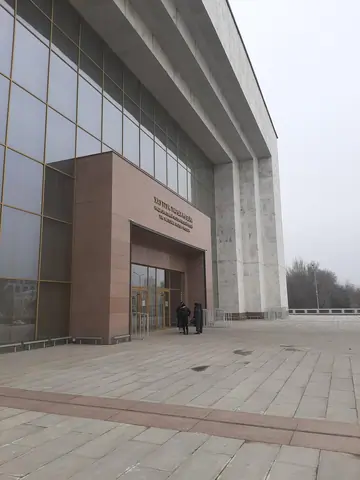
On November 19, 2021, the grand opening of the Historical Museum in Bishkek, which was closed for reconstruction for five whole years, took place. This Museum used to be called the Lenin Museum and it was opened in 1926. Now local residents and tourists have a unique opportunity to see historical monuments with their own eyes!
Bishkek
Kyrgyzstan
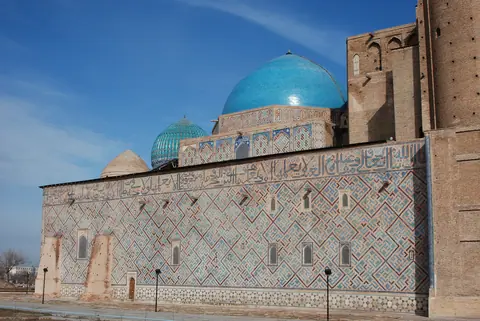
Yasawi Mausoleum is a sacred place that attracts admirers of art and spirituality with its majestic architecture and deep spiritual meaning. Located in the city of Turkestan, in modern-day Kazakhstan, this mausoleum is one of the most revered places in the Islamic world.
Built in honor of the poet, thinker and saint Khoja Ahmed Yasawi, the mausoleum is a magnificent example of architectural excellence. Its main mausoleum, majestic and exquisite, serves as a place of pilgrimage for many believers who come here to honor the saint's memory and seek spiritual inspiration.
Turkestan
Turkistan Region
Kazakhstan
The architectural monument of the Sari Mazor Mausoleum is located in the city of Istaravshan in the Sughd region in the north of the Republic of Tajikistan. The Sari Mazor Mausoleum is a 16th century architectural monument and is a two-chamber, two-domed structure.
The mausoleum is built of fired bricks. The building consists of a square dome in the shape of a cross, including an engraved tomb.
The dome of the portal and the tomb rest on arches of the spherical type.
Istaravshan
Tajikistan
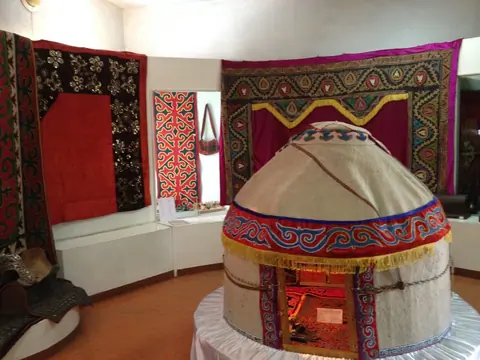
The Mosuo Folk Tradition Museum is a unique cultural institution located in Yunnan Province, China. This museum is an important center for the preservation and promotion of the cultural heritage of the Mosuo ethnic group, presenting the richness and diversity of its traditions and customs.
Lugu Lake
Yunnan Sheng
China
Carpet Weaving Museum. The exposition of the carpet museum was opened in 1991 in the ancient mosque of Maghoki-Attar(XVI century) near the ancient Shahrud canal, in the center of the old city, next to the dome of the Sarraphon money changers. Before the invasion of the Arabs (VIII century), there was a bazaar at this place, where idols, medicinal drugs and spices were sold. There was also a temple of fire worshippers "Moss" ("temple of the moon").
Bukhara
Bukhara
Uzbekistan