Before the encounter
Good travel in Kazakhstan starts before the camera comes out. Customs, dress, hospitality, sacred places and family spaces can change by region and situation.
The Issyk Kurgan is one of the brightest monuments of history and material culture of the Saka tribes that lived in Central Asia from the 8th to the 1st centuries BC. Most of the barrows were looted and deformed in antiquity. An animalistic style passed from Saky to us. The Issyk mound was one of the well-preserved graves. In the 70s, during the excavations, household items and a construction made of Tien Shan spruce were found in one of the graves, in which a 17–18 year old sak warrior was buried.
Issyk
Almaty
Kazakhstan
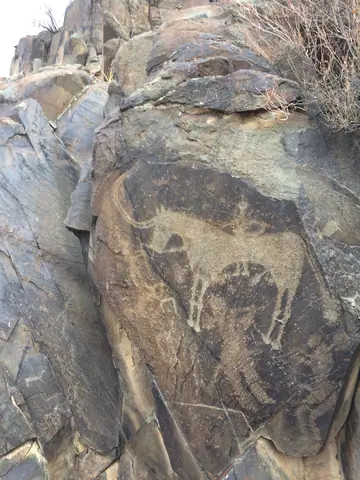
On the territory of Kazakhstan there is a famous archaeological complex Tanbaly. In 2003, an open-air museum was created at this place. The tract with petroglyphs is located 170 km north-west of the city of Almaty, in the Anrakai Mountains. In the 50s, an expedition of archeologists discovered petroglyphs in these places, most of which belong to the Bronze Age: among images of animals, hunting scenes, mysterious sun-headed creatures can be found, which once again confirms the sacredness of this place.
Tamgaly
Almaty
Kazakhstan
Good travel in Kazakhstan starts before the camera comes out. Customs, dress, hospitality, sacred places and family spaces can change by region and situation.
Transport in Kazakhstan is not just a timetable. Border opening hours, road surface, weather, permits, flight changes, local holidays and distance can reshape a day on the ground.
Use this page as planning context for Kazakhstan, not as a final answer for every passport.
Kazakh Khanate Kazakhstan has been inhabited since the Neolithic Age: the region's climate and terrain are best suited for nomads practicing pastoralism.
The country’s flora and fauna are represented by various species of rare and unique animals and plants, many of which are entered in the Red Book.About six thousand of plant species vegetate in Kazakhstan, about 500 species of birds, 178
Money advice in Kazakhstan depends on the route. Cities, airports and larger hotels may work differently from valleys, villages, homestays, border areas or mountain regions.
Kazakh culture is largely influenced by the Turkish nomadic lifestyle. Islam was introduced in Kazakhstan between the 7th and 12th centuries. Apart from the sheep, many other traditional foods retain symbolic value in Kazakh culture.
Kazakh cuisine is the cuisine of Kazakhstan, and traditionally is focused on mutton and horse meat, as well as various milk products.