Before you rely on this address
Directory information changes faster than destination history. Opening hours, contacts, services, prices and access can shift without warning.
Directory information changes faster than destination history. Opening hours, contacts, services, prices and access can shift without warning.
At Nomad's Land, planning a trip to Mongolia with children requires careful consideration to ensure a fun and safe experience for the whole family.
This page is preparation, not alarm. Health and safety in Mongolia depend on the route, season, altitude, remoteness, transport and your own medical situation.
Mongolia is not empty. It is spacious — and space has weather. Wind crosses it. Roads dissolve into tracks. Camps open and close. Horses, herders and vehicles move with conditions. A good Mongolia season is not just warm enough; it is a season where distance, camp life and the purpose of the journey belong together.
| If your trip depends on… | Best window | Do not for |
|---|
Good travel in Mongolia starts before the camera comes out. Customs, dress, hospitality, sacred places and family spaces can change by region and situation.
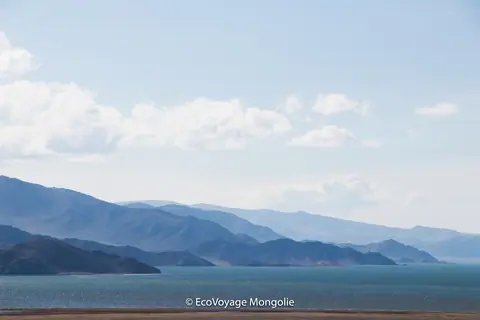
Nestled majestically 45 kilometres south of Ulgii, Lake Tolboo stretches gracefully from southeast to northwest, captivating with its calm waters. This impressive body of water, of tectonic origin and fed by glacial springs, covers an area of 185 square kilometres and rises to an altitude of 2,080 metres. It offers a breathtaking spectacle nestled in the heart of the Altai Mountains. At its southern end, the legendary Soum Tolbo silently watches over its waters, adding a mystical element to the landscape.
Historical significance
Tolbo
Bayan-Ölgii
Mongolia
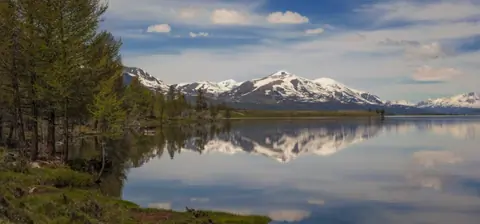
Khurgan Lake is a stunning body of water situated in the district of Tsengel, within the Bayan-Ölgii Province of western Mongolia. This picturesque lake is part of the breathtaking landscape of the Altai Tavan Bogd National Park, offering visitors an opportunity to immerse themselves in the natural beauty of Mongolia's western region.
Connected to Khoton Lake by a wide and short channel spanning approximately 2 kilometers, Khurgan Lake, along with Dayan Lake, plays a vital role in feeding the Khovd River, enriching the surrounding ecosystem with its pristine waters.
Altai (Bayan-Ölgii)
Bayan-Ölgii
Mongolia
Embark on wildlife watching expeditions in Mongolia, where the vast landscapes provide a sanctuary for unique species. From the majestic Przewalski's horses to the elusive snow leopards, each sighting is a thrilling glimpse into the natural world. Venture into national parks and conservation areas like Hustai or the Gobi Desert, guided by experts who help you spot and understand the behavior of these remarkable animals. Watching wildlife in Mongolia is an adventure that deepens your respect for nature and the efforts to preserve these ecosystems for future generations.
Make a meaningful difference in Mongolia through volunteering, engaging directly with local communities and environmental projects. Assist in conservation efforts, teach English in rural schools, or help develop sustainable practices that support both people and nature. Volunteering provides a unique opportunity to connect deeply with the Mongolian culture, understand their challenges and triumphs, and contribute positively to their future. Your efforts here will leave lasting impressions on both the community and your own life.