- Contains
City
Path Element
cities
Image
Height
2997
Width
4420
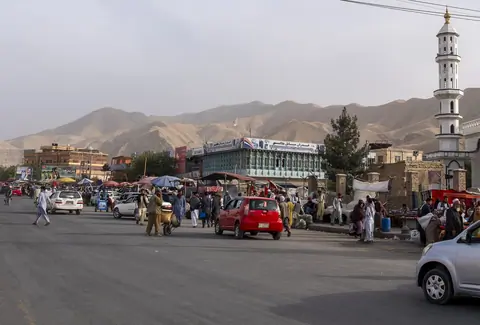
At the crossroads of Afghanistan’s major northern routes—linking Kabul, Kunduz, and Mazar-i-Sharif—lies Puli Khumri, a vibrant provincial capital rarely explored by travelers but rich in local life and character. With over 220,000 inhabitants, it ranks among the country’s ten largest cities, offering a unique window into Afghanistan’s industrial and cultural evolution.
- Geo
Image
Height
1080
Width
1920
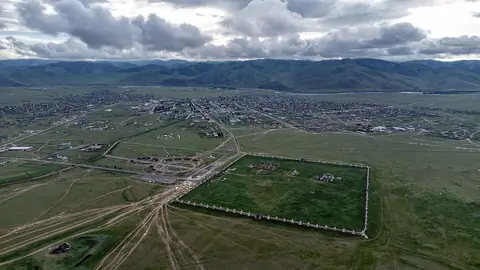
Karakorum was the capital of the Mongol Empire from 1235 to 1260 and the Northern Yuan dynasty in the 14th–15th centuries. Its remnants are located in the northwestern part of the Övörkhangai Province in modern-day Mongolia, close to the current town of Kharkhorin and adjacent to the Erdene Zuu Monastery, likely the oldest surviving Buddhist monastery in Mongolia. These ruins are situated in the upper section of the Orkhon Valley, a designated World Heritage Site.
- Geo
Image
Height
513
Width
820
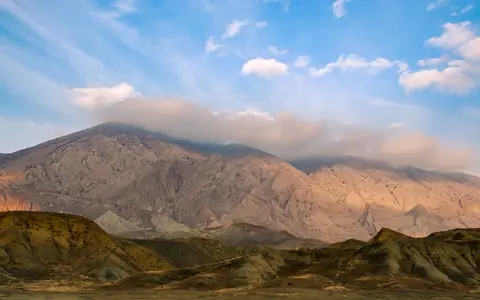
Köýtendag is a city located in Lebap Province, Turkmenistan. It serves as the administrative center of the Köýtendag District. The city and district were originally known as Çarşangy but were renamed Köýtendag on December 29, 1999, through a parliamentary resolution. Later, on July 27, 2016, Köýtendag was upgraded to the status of a "city in a district" by another parliamentary resolution.
- Geo
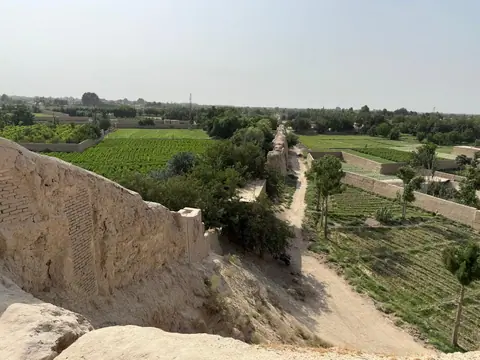
Tashkurgan is a city in northern Afghanistan in Balkh Province, which is the administrative centre of Khulm District. Its name translates from Uzbek as "stone fortress". The city is also known as Khulm in Dari, which translates from Persian as "hill". It is situated on the southern edge of the Bactrian plain at the northern foothills of the Hindu Kush. The Samangan River originates in the mountains and flows through the town, dividing into numerous artificially created irrigation canals.
- Geo
Image
Height
1200
Width
1600
Balkh is an ancient town located in the northern part of Afghanistan, about 20 kilometers northwest of the city of Mazar-i-Sharif. It sits on the ancient Silk Road trade route that connected China with the Mediterranean.
History: Balkh is one of the oldest cities in the world, with a history that dates back more than 5,000 years. It has been a center of trade, culture, and religion for centuries, and has been ruled by various empires and dynasties over the years, including the Greeks, Persians, Arabs, Mongols, and Timurids.
- Geo
Kandahar City is the second-largest city in Afghanistan and is located in the southern part of the country. The city count around 500'000 inhabitants. While the city has a rich history and culture, it has been affected by conflict in recent years.
- Geo
Image
Height
3888
Width
5184
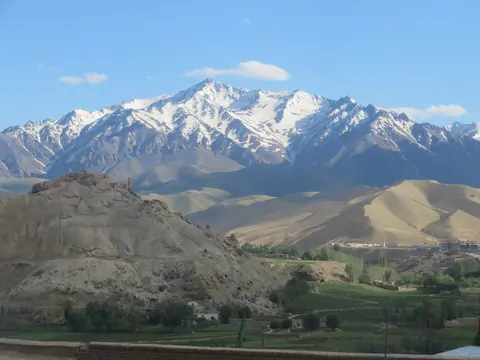
Bamyan is a city located in the central highlands of Afghanistan, in the Hazarajat region. The city is situated in a valley at an altitude of 2,500 meters and is surrounded by towering cliffs and snow-capped mountains. It is the capital of Bamyan province and is known for its history, culture, and natural beauty.
- Geo
- Contains
Image
Height
3774
Width
2727
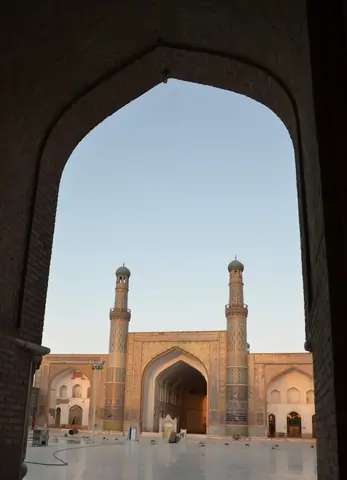
Herat is a city located in western Afghanistan, near the border with Iran. It is the third-largest city in Afghanistan and the capital of Herat province. It is known for its rich history and cultural heritage, and is often referred to as the "heart of Afghanistan" due to its central location in the country.
- Geo
- Contains
Image
Height
1080
Width
810
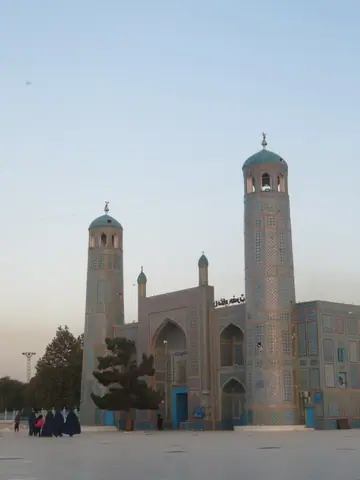
The 4th city of the country is the economic center of northern Afghanistan, some 60 km south of the Uzbek city Termez. It is known for its magnificent blue mosque and the tomb of Mohammed's cousin, and it is in his honor that the city is called "the tomb of the saint". The city is very old, but Balkh, the neighboring city, already existed in the Bronze Age.
Some of the historical sites in Mazar-i-Sharif include:
- Geo
- Contains