Image
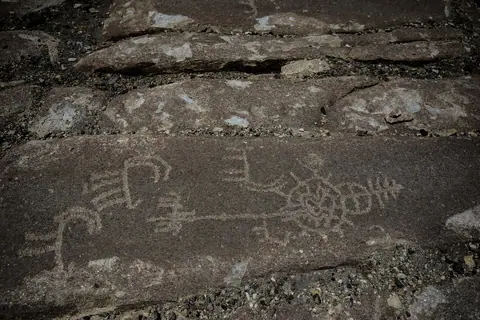
Height
683
Width
1024
Step back in time as you explore ancient cities and archaeological treasures. Each site offers a unique glimpse into the rich historical tapestry that has shaped Central Asia.
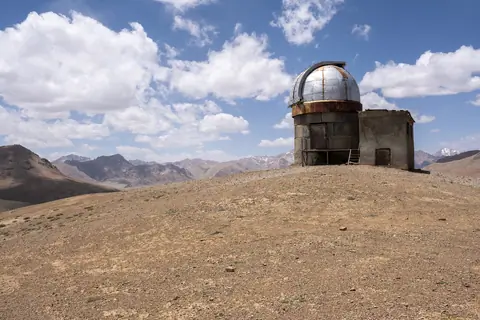
Shorbulak Observatory is one of the world’s highest astronomical sites, perched at over 4,300 m in the remote mountains near Murghab, in the Tajik Pamirs. Built during the Soviet era for space and infrared research, its dry, cloudless skies made it an ideal place for observing stars and cosmic rays. Though now abandoned, the observatory remains accessible and fascinating to visit: rusted domes, old telescopes, and crumbling Soviet-era buildings stand silent against a dramatic mountain backdrop.
Murgab
Tajikistan
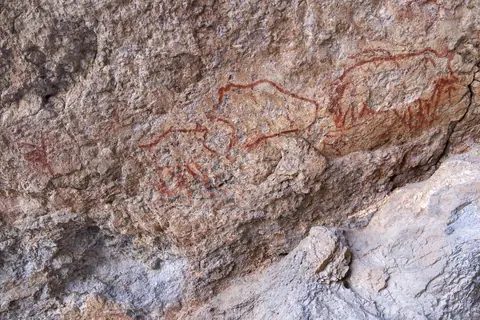
The Shakhty cave paintings, located at over 4,200 meters altitude in the Eastern Pamirs, near Murghab, are among the oldest examples of rock art in Central Asia. Discovered in 1958 by Soviet archaeologist Vladimir Ranov, they depict a striking hunting scene painted in red pigment derived from local iron oxide. The artwork shows a central figure—possibly a hunter or a shaman—wearing a bird-shaped mask and aiming at a wild boar, accompanied by yaks and a bear, some of which are pierced with arrows.
Murgab
Tajikistan
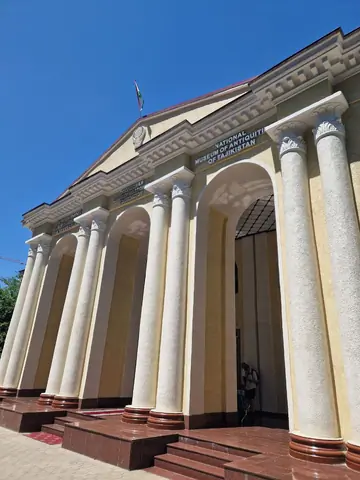
The National Museum of Antiquities of Tajikistan is the country's leading archaeological and cultural-historical museum located in the capital Dushanbe. It was founded in 1934 as the Exhibition of Achievements of National Economy and Archaeological Research of the Tajik Base of the USSR Academy of Sciences. In 1996, the museum was renamed the National Museum of Antiquities of Tajikistan, and in 2001 it opened in a new two-story building in the center of Dushanbe.
Dushanbe
Tajikistan
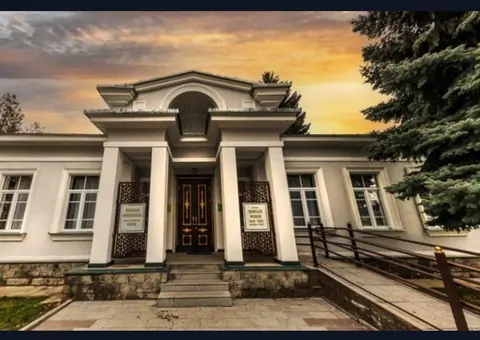
Zhambyl Zhabaev (1846-1945) was an outstanding Kazakh akyn (folk improvisational poet) who lived for almost 100 years and became a symbol of Kazakh oral poetry. He was a continuer of the tradition of zhyrau (steppe storytellers) and went down in history as one of the most famous performers of aytys (poetic competitions). Zhambyl was born near modern Taraz (the city was formerly called Aulie-Ata) and devoted his entire life to glorifying his native land, folk wisdom and heroism.
Taraz
Jambyl Region
Kazakhstan
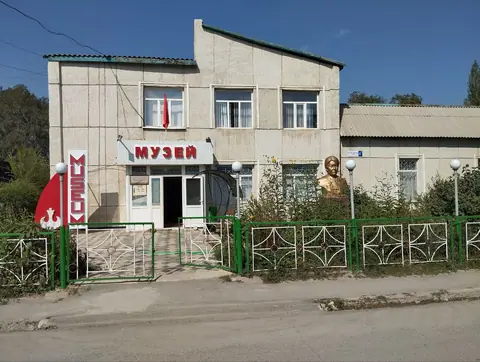
The Kaken Mambetaliev Historical and Ethnographic Museum, located in the city of Naryn, is a significant cultural center of the region with about 3,000 unique exhibits. The museum demonstrates the rich historical and ethnographic heritage of the Naryn region and Kyrgyzstan as a whole. Here you can see items of traditional life, national clothing, ancient artifacts and folk art products that reveal the uniqueness of nomadic culture.
The museum is open daily from 9:00 to 18:00, giving visitors the opportunity to plunge into the history and traditions of the Kyrgyz people.
Naryn
Kyrgyzstan
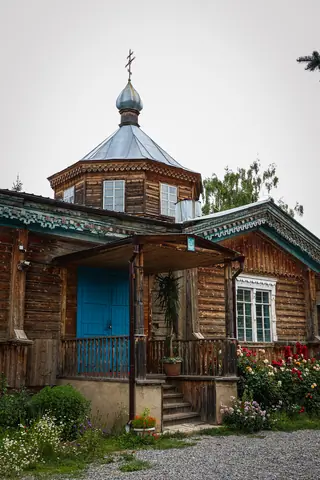
The church in the village of Teplokluchenka, located in the Ak-Suu district of Issyk-Kul province, is an important historical and cultural monument reflecting the multi-layered history of this region. The village of Teplokluchenka, also known as Ak-Suu, has long been a place where different cultures, religions and ethnicities intersected. The church, built in the late 19th and early 20th centuries, is one of the symbols of the Orthodox presence in Kyrgyzstan.
Teploklyuchenka
Kyrgyzstan
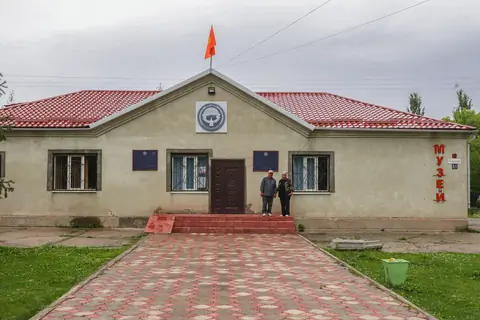
The Kydyr-Ake Historical and Local History Museum is one of the cultural and educational gems of the Issyk-Kul region. It is located in Ak-Suu district, known for its picturesque landscapes and rich historical heritage. The museum was founded to preserve and popularize the culture, history and ethnography of the region, and has since become an important place for tourists and locals interested in the past of their region.
Teploklyuchenka
Kyrgyzstan
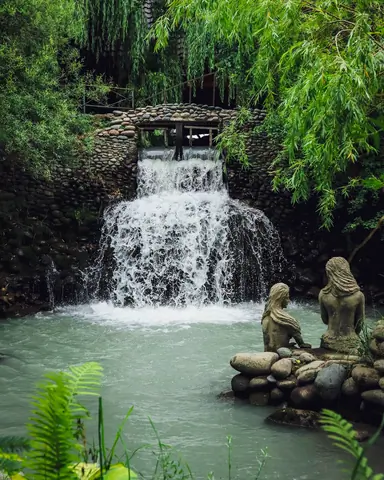
The Old Mill Museum in Ak-Suu district is a unique place where history and traditions of ancient crafts come alive. Located in a picturesque corner of nature, the museum is a preserved old mill that was once an important center of life for local residents.
Here you can see how grain was processed in the past using the natural forces of water and simple machinery. The museum displays not only the mill, but also the tools used by the ancestors to process grain and make flour.
Ak-Suu
Kyrgyzstan
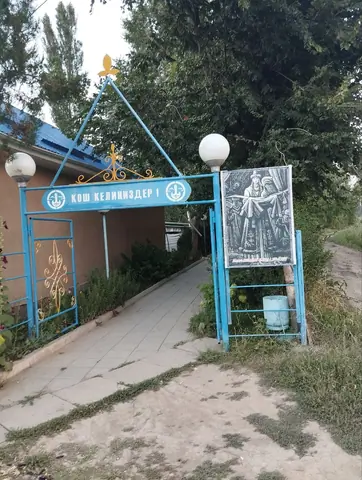
Kanykei apa bulagy is a sacred spring that carries deep symbolism and historical significance for the Kyrgyz people. According to legend, Kanykei, the wise and faithful wife of the legendary hero Manas, stopped here to quench her thirst and pray for the protection and prosperity of her people.
Talas
Kyrgyzstan
Delve into Afghanistan’s rich history by visiting its ancient sites, including the awe-inspiring Minarets of Herat and the remains of the Bamyan Buddhas. Each site offers a poignant reminder of the country’s significant role in the Silk Road and its complex history shaped by diverse cultures and empires. Exploring these historical treasures provides a deeper understanding of Afghanistan’s past and its cultural significance.