Vaolo Kyrgyzstan: Community-Based Travel Visibility
Village Monde works to promote sustainable tourism in remote areas, helping communities use tourism as a source of development, pride, and local autonomy.
Village Monde works to promote sustainable tourism in remote areas, helping communities use tourism as a source of development, pride, and local autonomy.
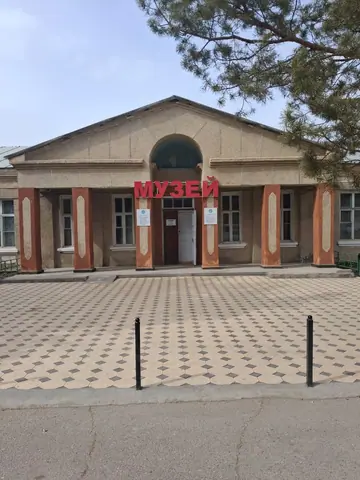
The Kochkor Regional Museum of Local Lore named after Osmonaaly Sydyk uulu is located in the village of Kochkor, Naryn region and is an important cultural and historical center of the region. The museum was created with the aim of preserving and studying the rich historical heritage of the Kyrgyz people, their traditions, way of life and spiritual culture.
Naryn
Kyrgyzstan
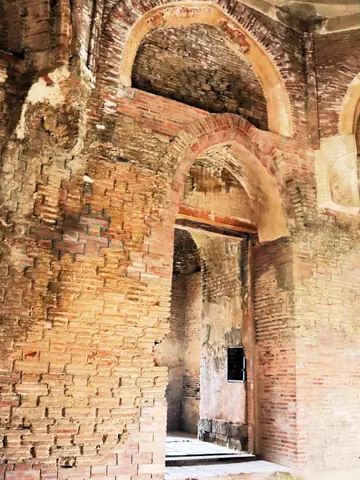
In the heart of southern Kyrgyzstan, the ancient town of Uzgen invites travelers to step into a lesser-known chapter of the Silk Road. Overlooking the fertile Kara-Darya valley, this historic complex once stood at the crossroads of trade, culture, and belief. Today, it remains one of the most atmospheric heritage sites in the country—quiet, authentic, and deeply rooted in Central Asia’s past.
Uzgen
Kyrgyzstan
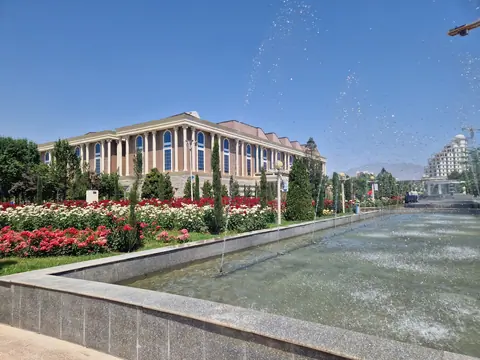
The National Museum of Tajikistan in Dushanbe is the country’s most important cultural institution—an elegant architectural landmark and a gateway into the rich history of the Tajik people. Designed with a blend of modern aesthetics and traditional Central Asian motifs, the museum offers travelers an immersive experience across 24 exhibition halls spanning archaeology, natural history, fine arts, and ethnography.
Dushanbe
Tajikistan
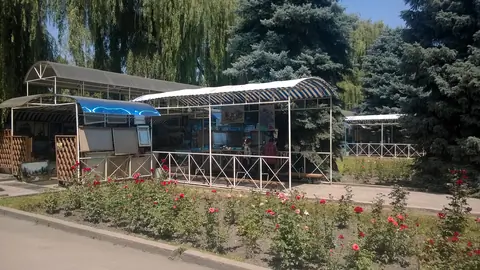
The gallery is located in the very center of Bishkek, not far from Ala-Too Square. It is a place for everyone who loves art. It is not just closed halls — often these are open or semi-open spaces where you can see paintings, works of art, and sometimes souvenirs or applied art.
The gallery features different types of art: from classical painting to contemporary works. Here you can see landscapes, scenes from life, paintings reflecting the culture, nature, and life of Kyrgyzstan.
Bishkek
Kyrgyzstan
Pamiri mazars are small sacred sites found throughout the valleys of the Tajik and Afghan Pamirs, especially in the Wakhan.
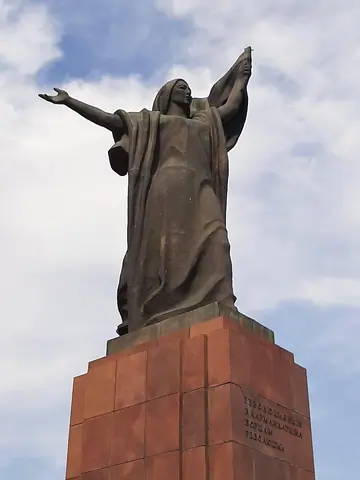
Erkindik Revolutionaries Square is located in the center of Bishkek. It is one of the city's important historical sites. The square was built during the Soviet era and is dedicated to the people who participated in the revolutionary events of the early 20th century in Kyrgyzstan and Central Asia. The main feature of the square is the Monument to the Revolutionaries, unveiled in 1978. It was created by the famous Kyrgyz sculptor Turgunbay Sadykov together with architect G. Kutateladze.
Bishkek
Kyrgyzstan

In the heart of northern Afghanistan, the city of Mazar-e Sharif rises from the arid plains as a hub of history, spirituality, and culture. Its centerpiece — the Blue Mosque, or Rawze-e-Sharif — stands as one of the most iconic and revered structures in Central Asia. For centuries, it has captivated visitors with its exquisite turquoise domes, intricate tilework, and the weight of legend it carries.
Mazar-i-Sharif
Afghanistan
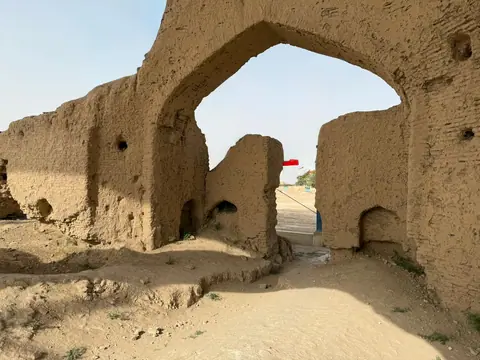
In the arid north of Afghanistan, not far from the city of Mazar-i-Sharif, a modest archaeological site draws the attention of scholars, mystics, and wanderers alike. The exposed foundations and weathered stone walls shown in this photo are believed by local tradition to mark the birthplace of Jalal ad-Din Muhammad Rumi—the 13th-century Persian poet, Sufi mystic, and philosopher whose verses still echo across the world.
Balkh
Afghanistan
Tucked high in the mountains of eastern Tajikistan, along the rugged spine of the Pamir range, lies one of Central Asia’s most isolated and fascinating cultural landscapes.