Sights

Emerald Pagoda lake

Emerald Lake and the pagoda are a jewel of nature and culture found in China. The lake got its name from the bright emerald color of its water, created by its purity and rich mineral content. The pagoda, rising on the shore of the lake, symbolizes ancient culture and wisdom.

This place serves not only as a tribute to nature, but also as a spiritual refuge for travelers and local residents. When you come here, you will immerse yourself in an atmosphere of peace and tranquility, enjoying the beauty of nature and the harmony of architectural forms.

Yunnan Sheng
China
Aral Sea

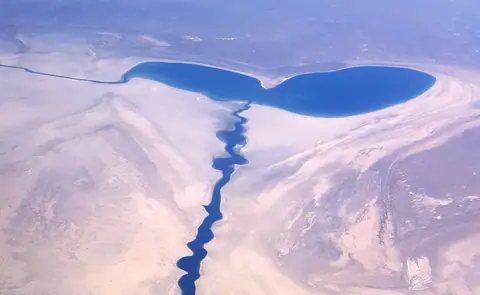
The Aral Sea is located in northern Central Asia, between Aktobe district in Kazakhstan and north of the autonomous region of Karakalpakstan in Uzbekistan. Until the third quarter of the 20th century, it was the fourth largest salt lake in the world and contained 10 grams of salt per liter. The two rivers that feed it are the famous rivers Amu Darya and Syr Darya. Two rivers originating in the mountains of Kyrgyzstan, Tajikistan and Afghanistan.

Nukus
Karakalpakstan
Uzbekistan

Feilai temple

Feile Temple is one of the most famous and revered religious buildings in China. Located in Hunan Province, this ancient Buddhist temple is a magnificent example of Chinese architecture and cultural heritage.

Deqin
Yunnan Sheng
China

Mingyong glacier

Mingyong City, located next to the Mingyong Glacier in Qinghai Province in western China, is a unique and beautiful place, rich in history and natural attractions.

Natural beauties:
Mingyong is proud of its glacier, which is one of the largest glaciers in Asia. With its powerful ice flows and majestic ice formations, it attracts tourists and explorers from all over the world. The glacier is surrounded by beautiful mountain landscapes, including high peaks, green valleys and crystal clear rivers.

Deqin
Yunnan Sheng
China

Kizil Thousand Buddha caves

In the heart of the great Gobi Desert, like a hidden treasure, lies Kizil, thousands of Buddhist caves. This unique archaeological complex surprises with its grandeur and the mysteries stored in its depths. The caves are carved into the red rocks, forming a huge complex of sculptures and paintings representing ancient Buddhist culture.

Kucha
Xinjiang Weiwuerzizhiqu
China

Kanas Lake Nature Reserve

Kanas Lake, immersed in the mystery and grandeur of nature, is a true pearl of western China. Situated in the heart of the Canas Nature Reserve, it is surrounded by mountains and forests, creating a breathtaking landscape that takes the soul to distant worlds.

This lake attracts with its mysterious depths and the changeable color of the water, which changes depending on the time of day and weather. Legends about Kanas tell of mysterious creatures that live in its waters and mysterious phenomena that occur on its shores.

Burqin
Xinjiang Weiwuerzizhiqu
China

Kalon Minaret

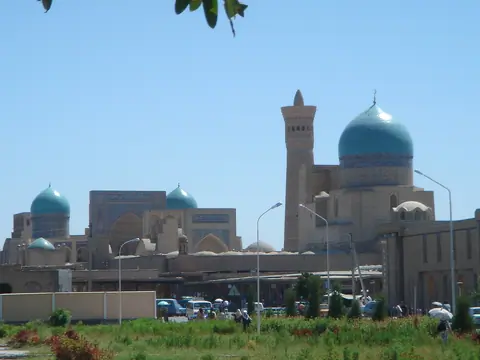
The Kalyan Minaret, also known as Katta Minor (literally "Grand Minaret") is the minaret of the Friday Mosque in the historic center of Bukhara, built in 1127 by the Karakhanid Arslan Khan, known for his activities as a town planning.

The terracotta brick minaret is a symbol of Bukhara; the highest with its 45.6 meters and one of the oldest architectural monuments in the city; one of the most remarkable structures of this type in the Muslim East.

Bukhara
Bukhara
Uzbekistan

Samye monastery

Samye Monastery is located in Tibet, in the Dratang district, on the banks of the Bramaputra River. This is the first Buddhist monastery built in Tibet in the 8th century. It is considered one of the most significant spiritual centers in the region and is a holy place for Buddhists.

The monastery was founded in 779 by the great Indian master Padmasambhava (also known as Guru Rinpoche) along with the Tibetan king Trisong Detsen. It played a key role in the development of Buddhism in Tibet and became a center of Buddhist learning and practice.

Samye
Xizang Zizhiqu
China

Bezeklik cave complex

In the heart of Chinese Turkestan, like a hidden treasure, are located the Bezeklik Caves - a unique archaeological complex, rich not only in its ancient historical artifacts, but also in cultural heritage.

These rock-cut caves are home to more than a thousand ancient cobblestones and Buddha statues, reflecting the richness and diversity of Buddhist culture. In them you will find images of Buddha, bodhisattvas, apsaras and other holy personalities, made with exceptional skill.

Turpan
Xinjiang Weiwuerzizhiqu
China

Qiongzhu Bambоо Temple

The Hainan Bamboo Temple is a unique architectural marvel located on the island of Hainan, China. This temple, also known as Hai-tu, attracts attention with its unusual structure made entirely of bamboo.

History and Meaning:
Hainan Bamboo Temple has a rich history going back centuries. It serves not only as a place of worship, but also as a symbol of Hainan's cultural heritage and the skill of local artisans.

Kunming
Yunnan Sheng
China