Sights

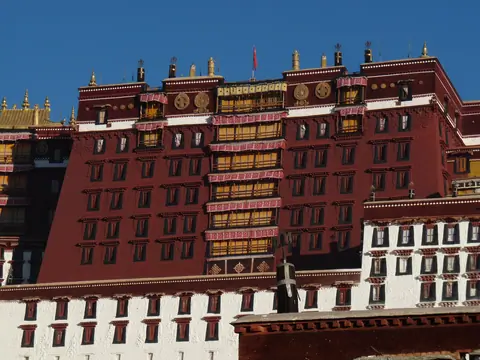
Potala palace

The Potala Palace, a majestic symbol of ancient Tibetan culture and religion, towers over Lhasa like an impregnable fortress of spiritual wealth and historical significance. With its snow-white walls and golden domes, it seems to welcome pilgrims and fans of Buddhism from all over the world.

Lhasa
Xizang Zizhiqu
China
Kalon Minaret

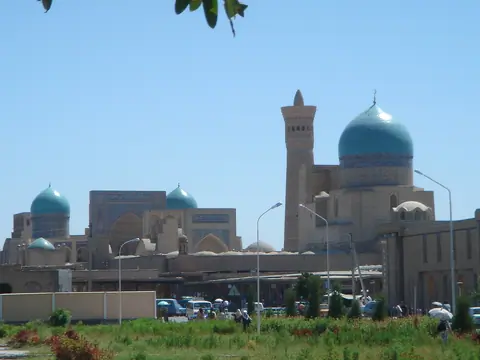
The Kalyan Minaret, also known as Katta Minor (literally "Grand Minaret") is the minaret of the Friday Mosque in the historic center of Bukhara, built in 1127 by the Karakhanid Arslan Khan, known for his activities as a town planning.

The terracotta brick minaret is a symbol of Bukhara; the highest with its 45.6 meters and one of the oldest architectural monuments in the city; one of the most remarkable structures of this type in the Muslim East.

Bukhara
Bukhara
Uzbekistan

Shah-i-Zinda

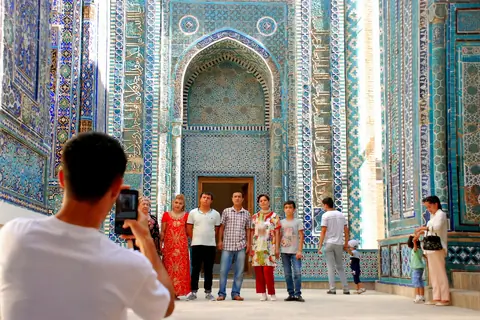
 Shah-i-Zinda is a medieval cemetery in Samarkand and a place of pilgrimage, a collection of mausoleums of the Karakhanid and Timurid nobility. The set consists of eleven mausoleums, successively joined to each other during the 14th-15th centuries. In 2001, the entire Shah-i-Zinda Mausoleum, along with other ancient buildings in Samarkand, was inscribed on the UNESCO World Heritage List.

Samarkand
Samarkand
Uzbekistan

King Tiger hot springs (Tagyel Chutse)

Hot springs "Tiger King" is a unique natural phenomenon, the personification of strength and vitality. Situated among emerald forests and mountain peaks, they seem to invite travelers into the healing embrace of nature.

The water from these springs is rich in minerals and warmth, creating ideal conditions for relaxation and wellness. Whether in gently pulsating hot baths or in the pleasant coolness of natural pools, everyone can find their own source of inner harmony and tranquility.

Gêrzê
Xizang Zizhiqu
China

Chor Minor

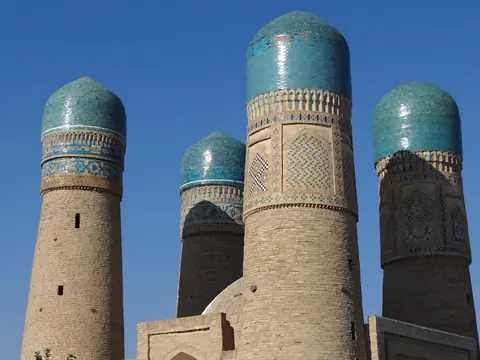
Chor Minor or Char Minar is also known as the Madrasah of Khalif Niyaz-kul. It is located in an alley northeast of the Lyab-i Hauz complex. It is protected as a monument of cultural heritage and is also part of the historic center of the UNESCO World Heritage Site of Bukhara. In Tajik, the name of the monument means "four minarets", in reference to the four towers of the building.

Bukhara
Bukhara
Uzbekistan

Aral Sea

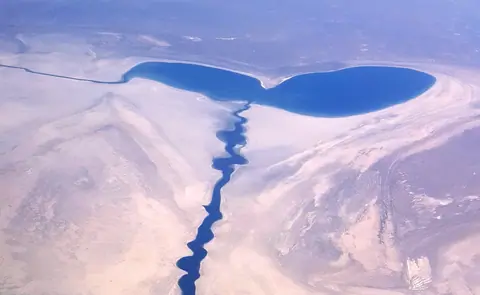
The Aral Sea is located in northern Central Asia, between Aktobe district in Kazakhstan and north of the autonomous region of Karakalpakstan in Uzbekistan. Until the third quarter of the 20th century, it was the fourth largest salt lake in the world and contained 10 grams of salt per liter. The two rivers that feed it are the famous rivers Amu Darya and Syr Darya. Two rivers originating in the mountains of Kyrgyzstan, Tajikistan and Afghanistan.

Nukus
Karakalpakstan
Uzbekistan

Trandruk monastery

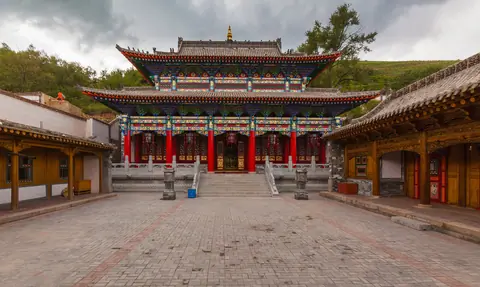
Trandrak Monastery, immersed in the greenery of the mountains of Tibet, is like an oasis of spiritual enlightenment and inner peace. Its snow-white walls and golden domes rise against the sky-blue sky, like a beacon guiding wanderers on the path of enlightenment.

Inside the monastery there is an atmosphere of prayer and meditation, filling the space with the sound of mantras and the smell of incense. Every corner of this sacred place is imbued with the spirit of the ancient teachings of Buddhism, inviting every pilgrim to the path of internal transformation and enlightenment.

Tsetang
Xizang Zizhiqu
China

Shalu monastery

Shalu Monastery, located in Tibet, in the Gyangtse District, is one of the most important spiritual centers in this region. It is distinguished by its ancient history, unique architecture and significance for Buddhist practice and culture.

The monastery was founded in the 9th century by the famous Indian master Padmasambhava, who played a key role in the spread of Buddhism in Tibet. Over time, Shalu became a center of learning and meditation, attracting monks and students from all over the world.

Shigatse
Xizang Zizhiqu
China

Samye monastery

Samye Monastery is located in Tibet, in the Dratang district, on the banks of the Bramaputra River. This is the first Buddhist monastery built in Tibet in the 8th century. It is considered one of the most significant spiritual centers in the region and is a holy place for Buddhists.

The monastery was founded in 779 by the great Indian master Padmasambhava (also known as Guru Rinpoche) along with the Tibetan king Trisong Detsen. It played a key role in the development of Buddhism in Tibet and became a center of Buddhist learning and practice.

Samye
Xizang Zizhiqu
China

Gyantse Kumbum

Jangtse Kumbum, located in Tibet, is a majestic Buddhist monastery and one of the most significant spiritual sites in the region. Its name translates to "One Hundred Thousand Images of Buddha" and it is famous for its unique steps, each of which contains an image of Buddha.

Walking past the many sacred temples and monastery halls, you feel the grandeur of the ancient culture and the deep spirituality that reigns here. Each statue, each architectural element, embodying ancient Buddhist symbols and teachings, recalls the great history and wisdom of this place.

Gyantse
Xizang Zizhiqu
China