Before you pack it or buy it
Customs rules in Kyrgyzstan are not only about obvious prohibited items.
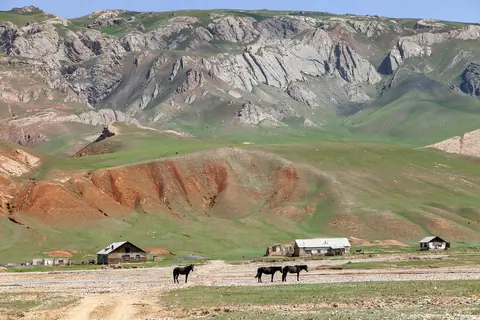
Orto Cyrt (or Orto-Syrt) jailoo is a hidden gem and one of the most enchanting high-altitude summer pastures (jailoos) in Kyrgyzstan's remote Ak-Talaa District, Naryn Region. Lying between the Borulu Pass and Kulak Ashuu Pass on the adventurous off-road route from Baetov to Tash Rabat, this expansive alpine meadow sits at the peaceful confluence of the Kalgakar and Akbeyit rivers.
At-Bashi
Kyrgyzstan

Nestled in Kyrgyzstan's Ak-Talaa District, the Terek Canyon (or gorge) along the Terek River is a stunning highlight on the scenic route from Baetov to Tash Rabat. Set against the dramatic backdrop of the Baybiche Too mountain range, this area showcases striking contrasts: lush green river oases near Baetov transition into rugged, arid badlands where the Terek carves through steep rocky cliffs in earthy reds, oranges, and browns under vast skies.
Naryn
Kyrgyzstan
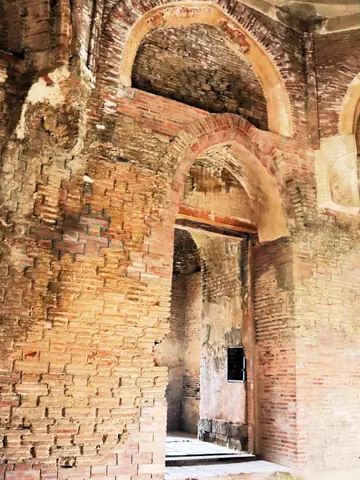
In the heart of southern Kyrgyzstan, the ancient town of Uzgen invites travelers to step into a lesser-known chapter of the Silk Road. Overlooking the fertile Kara-Darya valley, this historic complex once stood at the crossroads of trade, culture, and belief. Today, it remains one of the most atmospheric heritage sites in the country—quiet, authentic, and deeply rooted in Central Asia’s past.
Uzgen
Kyrgyzstan
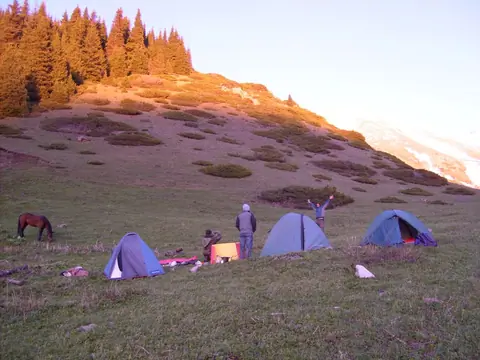
The Kalmak Ashuu Pass lies on the border between Issyk-Kul and Chüy regions. It forms a natural gateway between the village of Kalmak Ashuu in the Chong-Kemin Valley and the lakeside town of Balykchy on the shores of Issyk-Kul.
Karakol
Kyrgyzstan
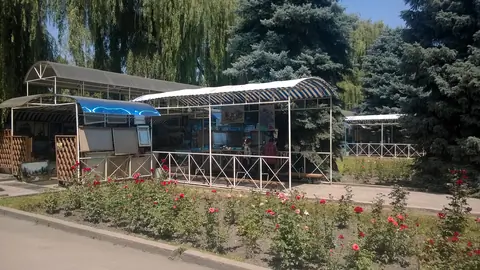
The gallery is located in the very center of Bishkek, not far from Ala-Too Square. It is a place for everyone who loves art. It is not just closed halls — often these are open or semi-open spaces where you can see paintings, works of art, and sometimes souvenirs or applied art.
The gallery features different types of art: from classical painting to contemporary works. Here you can see landscapes, scenes from life, paintings reflecting the culture, nature, and life of Kyrgyzstan.
Bishkek
Kyrgyzstan
Customs rules in Kyrgyzstan are not only about obvious prohibited items.

The April Revolution Memorial is a special place in the center of Bishkek that reminds people of the events of April 7, 2010, when 87 people died. On that day, many citizens took to the streets to express their dissatisfaction with the government. The protests were violent, and dozens of people gave their lives for change in the country.
Bishkek
Kyrgyzstan
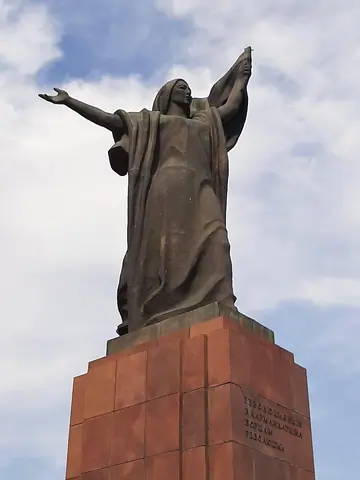
Erkindik Revolutionaries Square is located in the center of Bishkek. It is one of the city's important historical sites. The square was built during the Soviet era and is dedicated to the people who participated in the revolutionary events of the early 20th century in Kyrgyzstan and Central Asia. The main feature of the square is the Monument to the Revolutionaries, unveiled in 1978. It was created by the famous Kyrgyz sculptor Turgunbay Sadykov together with architect G. Kutateladze.
Bishkek
Kyrgyzstan
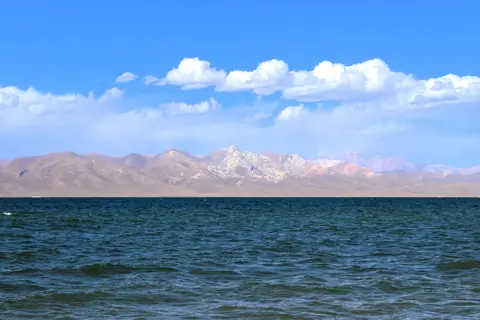
Ak-Tash, peaking at 3,853 m, is the only isolated mountainous formation at the heart of the Song Kul Lake basin. Located northeast of the lake, the range extends about 10 km long and 6 km wide. At its northeastern end, the Djaman Echki and Ak-Tash valleys converge to form the Djaman Echki Pass (3,341 m), which separates this massif from the Song Kul Too range.
Song Kul lake
Kyrgyzstan
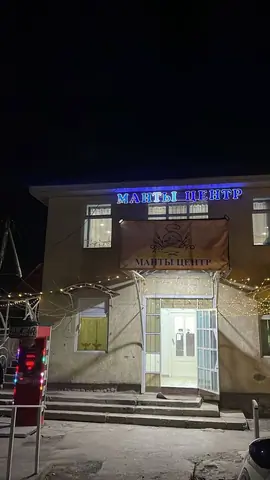
Nestled among the towering mountains and fresh, cool air of Naryn, Manty Center is more than just a café—it’s a place where the traditions of Kyrgyz home cooking are kept alive. From early morning until evening, the team greets every guest with a smile and serves dishes prepared with care and locally sourced ingredients.
The star of the menu is the house specialty: real homemade manti, steamed to tender perfection in the traditional way, with thin dough, a juicy meat filling, and fragrant spices.
Omyrakunov St. 157/2
At-Bashy
Kyrgyzstan