Before you choose cash or card
Money advice in Tajikistan depends on the route. Cities, airports and larger hotels may work differently from valleys, villages, homestays, border areas or mountain regions.
Money advice in Tajikistan depends on the route. Cities, airports and larger hotels may work differently from valleys, villages, homestays, border areas or mountain regions.
The tajik culture is rich thank to its rich historical past. The culture can be devided into different geographical areas.
Culinary art of Tajik people was formed for many centuries.
Meat dishes are basically cooked from mutton and goat's flesh. Since Tajiks are Moslems they do not eat pork at all. Very popular is horse meat.
Tajikistan, a landlocked country in Central Asia, has a population of about 10 million. It features mountainous terrain and significant historical heritage.
Transport in Tajikistan is not just a timetable. Border opening hours, road surface, weather, permits, flight changes, local holidays and distance can reshape a day on the ground.
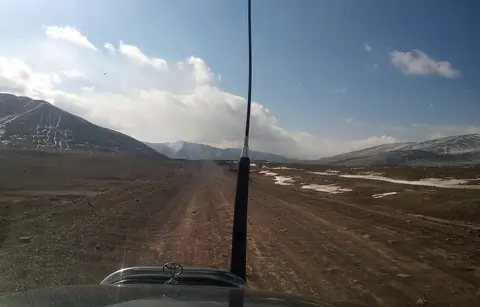
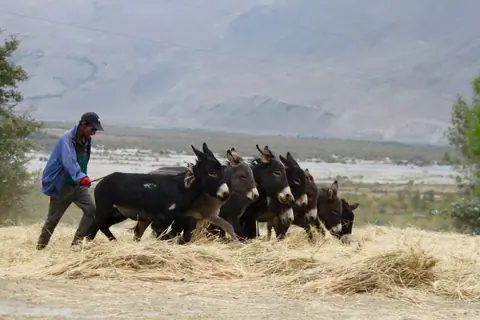
Yamchun is a tajik village 90 km upper than Ishkashim village and 2 km lower than Vrang village. It stand on the shore of the Panj river and at the border of the Wakhan corridor, just in front of the Afghan Yamit village. The village was built at the foot of the fortress with the same name and the hot springs of Bibi Fatima Zahro. The fortress was built from the 3rd century BC, but human sign in this region are older.
Yamg village is situated 5 km northeast from Yamchun village in the Wakhan corridor, on the tajik side. Yamg is home of Mubarek Kadam Wakhani, a sufi religious poet, philosoph, musician and astronomer. Wakhani lived from 1839 to 1903. Don’t miss the solar calendar for determining Navruz festival's date, just outside the museum. Admission fee is 10 TJS.
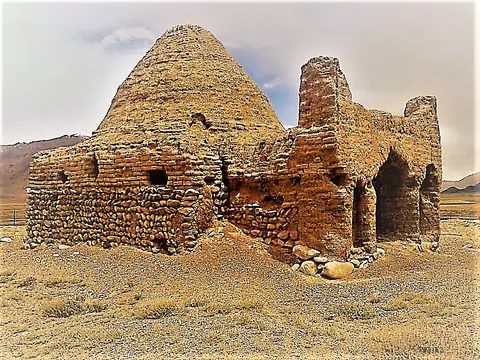
Bash Gumbez is a ancient caravanserail 30km east from Alichur. There is a small village and a graveyard on the other side of the river. The site is situated in the valley of Chukury, 28km lower than the pass Bashgumbez (4815m. alt) which let to reach the Zorkul zone and the Pamir river.
Murgab
Tajikistan
Istaravshan is one of the largest ancient cities in the world since its founding in the 6th century BC. The Persian king Cyrus of the Achaemenid dynasty (529-559 BC) called the new city in his honor, Kurush Kada which is located in northern Tajikistan, in the foothills of the Turkestan Range, at an altitude of about 1000 meters above sea level. In 2002, the city celebrated 2500 years. An interesting fact of the story is that Alexander the Great was wounded for the first time during the conquest of this city.