Before you rely on this address
Directory information changes faster than destination history. Opening hours, contacts, services, prices and access can shift without warning.
Places worth building the route around.
A shorter list of the most recognizable sights.
Restaurants and food stops worth knowing.
Afghanistan is one of the most historically rich and culturally profound countries on the Silk Road. It is also one of the most complex and high-risk destinations in the world today.
Before asking whether a trip is possible, every traveler should ask a harder question: is it responsible, safe, legal, insured, and ethical for me to go now?
Security advisories, women’s travel, insurance, ethics, local regulations, and the realities of visiting Afghanistan under current conditions.
Directory information changes faster than destination history. Opening hours, contacts, services, prices and access can shift without warning.
Customs rules in Afghanistan are not only about obvious prohibited items.

In the heart of northern Afghanistan, the city of Mazar-e Sharif rises from the arid plains as a hub of history, spirituality, and culture. Its centerpiece — the Blue Mosque, or Rawze-e-Sharif — stands as one of the most iconic and revered structures in Central Asia. For centuries, it has captivated visitors with its exquisite turquoise domes, intricate tilework, and the weight of legend it carries.
Mazar-i-Sharif
Afghanistan
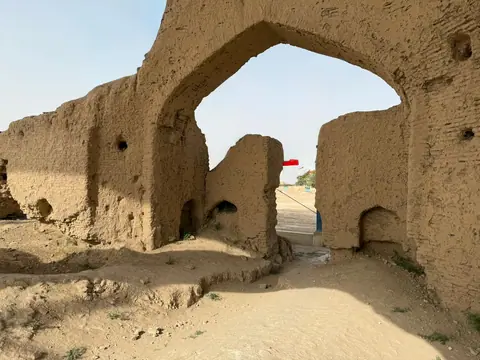
In the arid north of Afghanistan, not far from the city of Mazar-i-Sharif, a modest archaeological site draws the attention of scholars, mystics, and wanderers alike. The exposed foundations and weathered stone walls shown in this photo are believed by local tradition to mark the birthplace of Jalal ad-Din Muhammad Rumi—the 13th-century Persian poet, Sufi mystic, and philosopher whose verses still echo across the world.
Balkh
Afghanistan
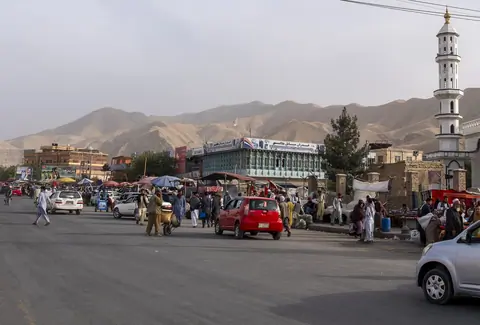
At the crossroads of Afghanistan’s major northern routes—linking Kabul, Kunduz, and Mazar-i-Sharif—lies Puli Khumri, a vibrant provincial capital rarely explored by travelers but rich in local life and character. With over 220,000 inhabitants, it ranks among the country’s ten largest cities, offering a unique window into Afghanistan’s industrial and cultural evolution.